2026 Best Hot Die Forging Hydraulic Press for Global Buyers?
In recent years, the hot die forging hydraulic press industry has witnessed significant advancements. Data from the Global Market Insights Report indicates a compound annual growth rate (CAGR) of 4.5% in this sector from 2021 to 2027. This growth is fueled by the increasing demand for high-strength materials across industries like automotive and aerospace. These sectors rely on hot die forging processes for their ability to create complex shapes with superior mechanical properties.
Hot die forging hydraulic presses are instrumental in achieving precise dimensional accuracy and improved material properties. However, buyers must consider various factors before making a purchase. Industry reports suggest that the optimal press capacity and temperature control settings can vary widely based on the application. This variability is crucial, as a mismatch may lead to inefficient production or subpar product quality.
Investing in the right hot die forging hydraulic press involves understanding these nuances. Some manufacturers may lack the necessary expertise, leading to challenges in production efficiency. Global buyers must critically evaluate their options to ensure they align with best practices in the industry. A proactive approach in researching suppliers and technology can greatly enhance overall performance and reliability in operations.
Overview of Hot Die Forging Hydraulic Press Technology
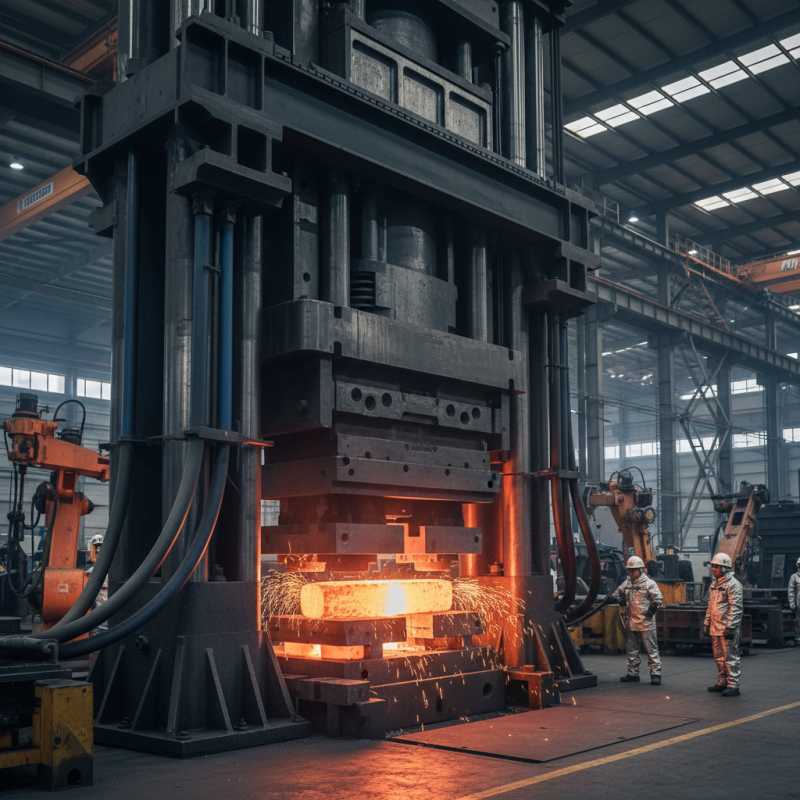
Hot die forging hydraulic presses are vital in metal forming industries. They provide the necessary force to shape metal at high temperatures. This technology has evolved to meet the needs of various sectors, from automotive to aerospace. The process uses heated dies, which can significantly increase the material's ductility. This results in improved shapes and reduced waste.
While the equipment is effective, operators must be skilled. Improper handling can lead to defects in the produced parts. Temperature control is crucial to ensure uniform heating. If the metal is not heated evenly, it can fracture during forging. Regular maintenance of the press is also essential to prevent downtime. Mechanical wear and hydraulic leaks can compromise performance.
Advancements in hydraulic technology have improved efficiency. Innovative designs reduce energy consumption and enhance safety features. Workers can operate the presses with greater control, minimizing risks. However, the complexity of these machines requires continuous training. As technology progresses, staying updated with the latest practices is necessary. Reflections on these changes will lead to better implementation and outcomes in hot die forging processes.
Key Features to Consider When Buying a Hydraulic Press
When selecting a hydraulic press for hot die forging, certain key features stand out. First, consider the pressing force needed. Industry reports indicate that presses often range from 500 tons to over 5,000 tons. Assessing the material type and forging requirements is crucial. The right force directly affects product quality and operational efficiency.
Next, the quality of components plays a pivotal role. A reliable hydraulic system ensures smooth operations and reduces downtime. According to machinery analysis, hydraulic presses equipped with advanced sensors can increase energy efficiency by up to 30%. This directly translates to cost savings in manufacturing processes.
Moreover, automation features are gaining traction. Many buyers now prioritize press models that support automation capabilities. Advanced models can significantly enhance productivity and precision. However, buyers must evaluate the learning curve associated with automated systems. The initial investment in automation is substantial, but long-term gains can be significant. It’s essential to weigh the pros and cons before making a commitment.
Top Brands and Models of Hydraulic Presses in 2026
As the hot die forging industry grows, choosing the right hydraulic press is crucial. In 2026, many buyers seek the best models that offer power and reliability. Reports suggest the demand for hydraulic presses in forging applications has skyrocketed, with a projected growth rate of 5.4% annually through 2030. This trend highlights the importance of selecting presses that meet specific operational needs.
In 2026, several top models stand out. They feature a pressing force of 1,000 to 5,000 tons, making them suitable for various forging processes. The market has also seen advancements in technology, enhancing energy efficiency by up to 30%. While these innovations are impressive, they come with a learning curve. Operators must adapt to these advanced features for optimal performance.
Reliability remains a key concern. Some models have reported operational failures due to manufacturing defects. Buyers must conduct thorough inspections and request performance data before purchasing. Peer reviews and industry reports are vital for making informed decisions in this competitive landscape.
Global Market Trends in Hot Die Forging Industry
The hot die forging industry is evolving rapidly. Global market trends indicate a rising demand for advanced hydraulic presses. This demand is driven by industries such as automotive, aerospace, and machinery. Manufacturers are increasingly focused on efficiency and precision. The push for sustainability also influences these changes.
Markets in Asia and Europe are the most active. Countries are investing heavily in modernizing their forging capabilities. Innovations in hydraulic press technology enhance productivity and reduce waste. Many firms are adopting smart solutions. These solutions offer real-time monitoring and predictive maintenance features.
However, challenges remain. Higher energy costs affect operational margins. Some manufacturers struggle to keep up with technological advancements. This creates a gap in experience and knowledge. Industry experts emphasize the need for continuous training. Investing in skilled labor is crucial for future growth in this sector. The journey demands reflection and adaptation.
Comparative Analysis: Hydraulic Presses vs. Other Forging Methods
In the forging industry, hydraulic presses are often favored for their efficiency. According to a recent report, hydraulic presses can produce parts with a precision rate of over 90%. This accuracy is crucial for industries such as automotive and aerospace, where component reliability is paramount. A study indicated that using hydraulic presses can reduce production costs by 20%, making them an attractive option for many manufacturers.
Comparatively, other forging methods like drop forging may experience higher rates of material waste. Drop forging, while effective, often lacks the same level of control as hydraulic presses. Notably, the energy consumption of hydraulic presses is also lower by approximately 15% compared to mechanical methods. This can lead to a smaller carbon footprint. However, hydraulic press systems are not without their challenges. Maintenance requirements can be significant, and downtime may impact productivity.
Technical advancements in hydraulic presses offer promising improvements. However, the initial investment can be a barrier for some firms. As manufacturers evaluate their forging options, understanding the trade-offs is essential. Both accuracy and cost efficiency must align with production needs. While hydraulic presses provide clear advantages, exploring alternatives remains important for a comprehensive strategy.