2026 Top Kit Houses Trends and Innovations to Watch Out For?
The kit houses market is on the rise, showcasing innovative designs and sustainable solutions for modern living. A recent report by Grand View Research indicated that the global prefabricated housing market size is expected to reach $120 billion by 2027. This growth directly reflects the increasing demand for energy-efficient and affordable housing options.
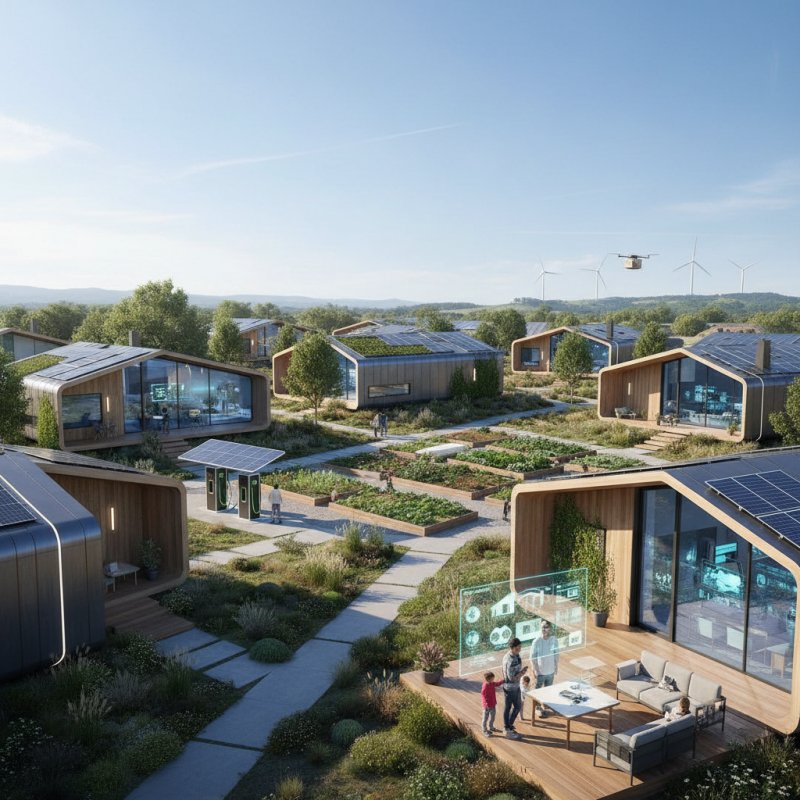
In 2026, several trends will shape the kit houses landscape. Smart home technology integration is one significant trend. Consumers desire homes that enhance convenience and energy efficiency. Modular designs are also gaining attention. They allow quick construction with less waste. The appeal of customization is undeniable, enabling homeowners to create personalized spaces.
Despite these advancements, challenges remain. Builders must address issues of quality control and sustainability. The market also faces occasional misperceptions regarding the durability of kit houses. As we explore this evolving sector, it is crucial to consider both the innovations and the areas needing improvement within the kit houses industry.
Emerging Sustainable Materials in Kit House Construction for 2026
The kit house market is evolving, especially in terms of sustainability. Emerging materials are making a big difference. For instance, bamboo is gaining traction as a renewable resource. It grows quickly and reduces carbon footprint. This material is not only strong but also lightweight.
Another innovation is the use of recycled plastics. Building components made from repurposed waste can significantly lower environmental impact. These materials can be molded into various shapes and sizes, allowing for creative designs. However, the durability of these plastics raises questions. Will they stand the test of time?
Hempcrete is also making waves. This natural insulator helps regulate indoor temperatures. It's lightweight and reduces overall building weight. However, sourcing hemp can be challenging. Farmers must balance demand with sustainable practices. As these materials become more widely adopted, we must reflect on their long-term effects on both housing and the environment.
Smart Home Technology Integration in Kit Houses: Trends for the Future
The integration of smart home technology in kit houses is redefining the future of living. Imagine a home where your lights adjust automatically with the sunset. Smart sensors can detect when you enter a room, turning on lights and managing temperature. A well-built kit house can easily incorporate these features. However, there can be challenges with compatibility and energy use.
Many homeowners appreciate the convenience but may overlook potential pitfalls. Not all devices communicate seamlessly. A smart thermostat might work well, but it could struggle with outdated infrastructure. Homeowners need to choose wisely. A home’s layout can also impact how these technologies function. Open spaces might suit wireless connections better than segmented rooms.
Moreover, data privacy is a growing concern. Residents need to consider how much information they're willing to share. Are we ready to give up some control for convenience? Balancing comfort and security will be critical in the evolving landscape of kit houses. Embracing this technology means both excitement and caution. The journey of smart living has just begun, and it’s not without its bumps.
Modular Design Innovations Shaping the Future of Kit Houses in 2026
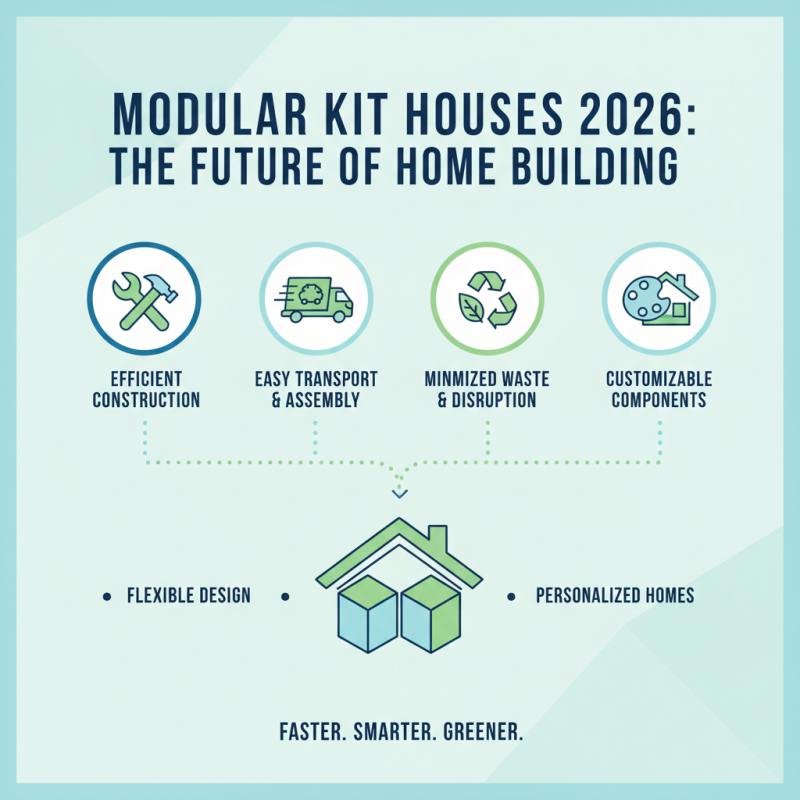
As we look toward 2026, modular design is revolutionizing the kit house industry. This approach allows for flexible, efficient construction. Each module can be easily transported and assembled, minimizing waste and disruption. Homeowners can customize components based on their needs. This personalization enhances both aesthetic appeal and functionality.
Innovations in materials are noteworthy. Sustainable options are becoming more prominent. Choices like recycled steel and eco-friendly insulation reduce environmental impact. However, the challenge remains in balancing cost and quality. Some materials may not meet durability standards. Feedback loops will be crucial in addressing these issues.
Smart home technology integration is another exciting trend. Automated systems can control lighting, heating, and security. Yet, these innovations also raise questions about privacy and reliance on technology. Homeowners must consider their comfort levels with such systems. Embracing modular designs while being mindful of potential pitfalls is essential in this evolving market.
Customization Trends: Tailoring Kit Houses to Individual Lifestyles
The kit house market is evolving. Customization is at the forefront. Recent studies show that 70% of homebuyers prefer personalized designs. This trend reflects a shift towards individuality in home construction. People want more than just a structure; they seek a space that mirrors their unique lifestyles.
One significant aspect of customization is modular design. Homeowners can choose from various layouts and materials. This flexibility allows for innovative solutions. Data from industry reports indicates that 65% of buyers want energy-efficient options. Combining aesthetics with sustainability is essential. However, this approach can lead to complexities. Buyers often feel overwhelmed by choices.
Moreover, the digital age plays a crucial role in customization. Virtual reality tools enable clients to visualize their homes. Yet, not everyone can navigate these technologies effortlessly. Simpler platforms may be needed for broader access. The balance between innovation and user-friendliness remains a constant challenge. As the kit house market grows, understanding consumer needs becomes paramount.
Eco-Friendly Practices and Renewable Energy Solutions for Kit Houses
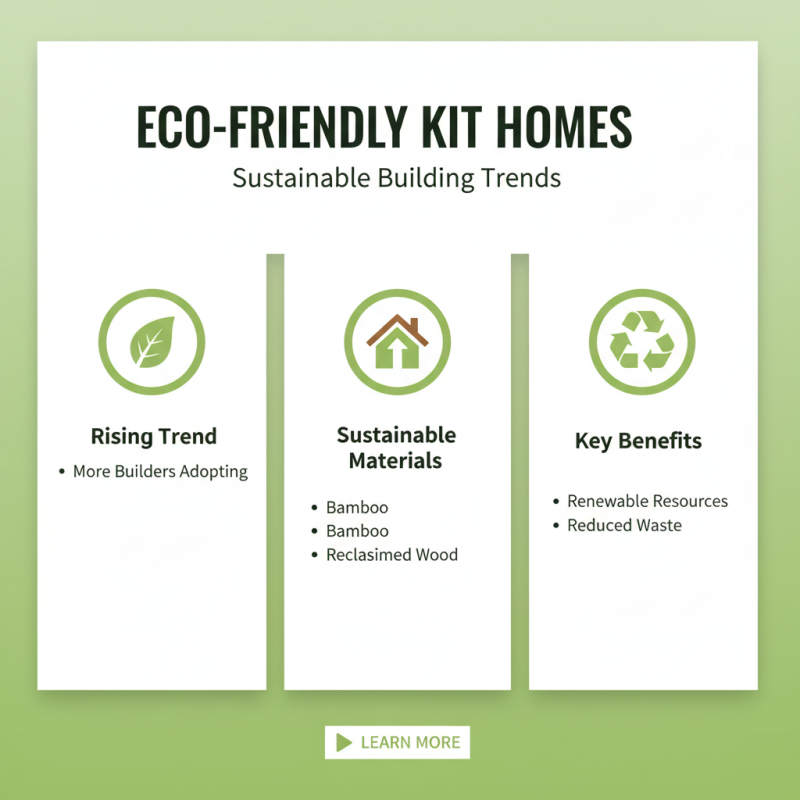
The trend of eco-friendly practices in kit houses is on the rise. Many builders now prioritize sustainable materials. For instance, bamboo and reclaimed wood are popular choices. These materials are renewable and reduce waste.
Renewable energy solutions are also gaining traction. Solar panels are becoming standard on many kit homes. They're not just a trend; they offer savings on energy bills. Wind turbines are another option. However, not every location is suitable for wind energy.
Not all eco-friendly solutions fit every budget. For some homeowners, the initial costs can be daunting. It's essential to reflect on long-term savings versus upfront investments. Ultimately, constructing a kit house that embraces sustainable practices is a step forward, even if challenges remain.