2026 Top Trends in Flat Pack Homes for Modern Living?
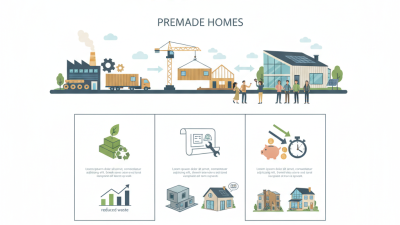
The rise of flat pack homes is transforming modern living. In 2026, these innovative structures are set to take center stage. According to a recent report by the World Economic Forum, flat pack homes can reduce construction time by up to 70%. This efficiency is appealing to many looking for quick housing solutions.
Flat pack homes offer flexibility. They can be customized to meet specific needs. However, this trend also raises questions. Are we losing the personal touch in home design? Some critics argue that uniformity may arise from mass production. Despite these concerns, the market for flat pack homes is expected to grow. Statista forecasts a compound annual growth rate of 8% by 2028.
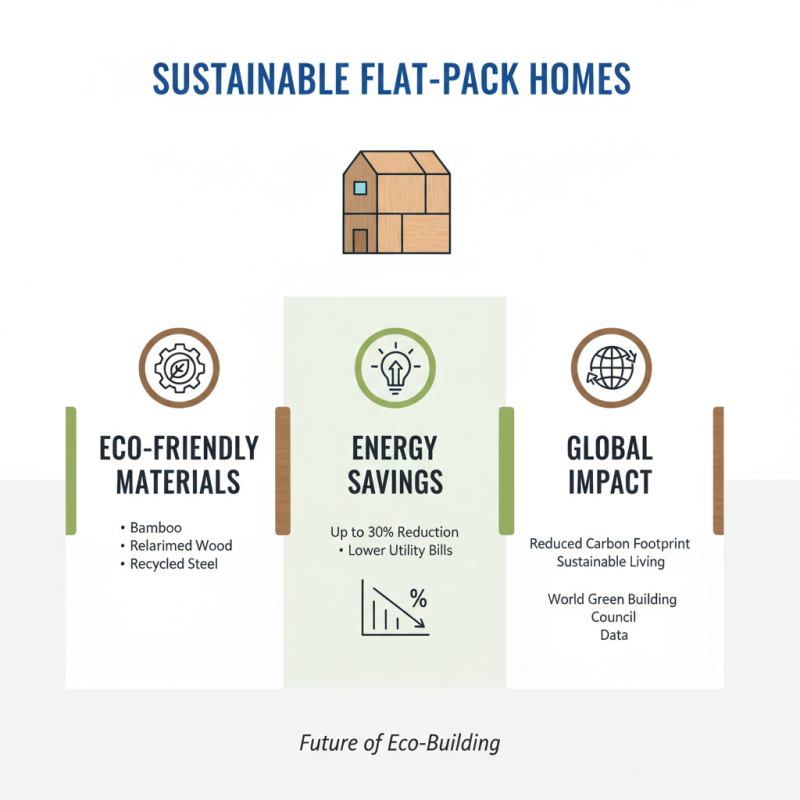
As consumers become more environmentally conscious, flat pack homes are often perceived as a sustainable choice. They typically use less material and produce less waste. Still, challenges remain. Not all flat pack homes meet local building regulations. Buyers must be diligent. In this evolving landscape, understanding the trends is crucial for potential homeowners.
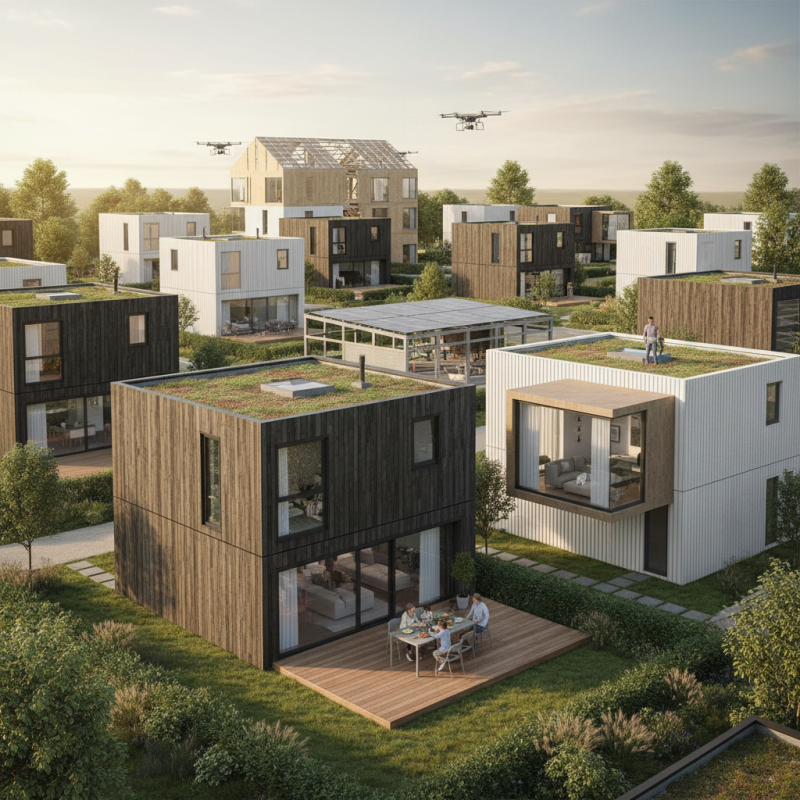
Key Features of 2026 Flat Pack Homes for Contemporary Lifestyles
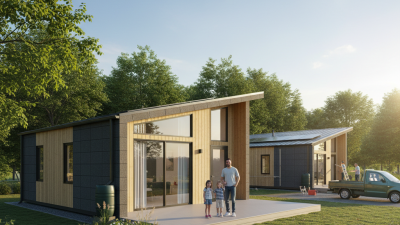
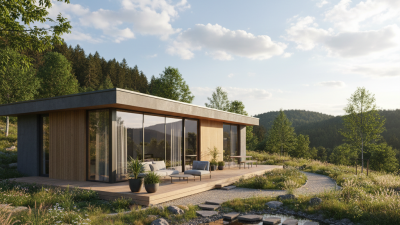
The flat pack homes of 2026 promise innovative designs tailored to modern lifestyles. One key feature is their modular construction. These homes allow for personal customization, making them feel uniquely yours. Modular units can be easily assembled, reducing construction time significantly. Each element fits together seamlessly, promoting efficient use of space and resources.
Another distinctive aspect is their sustainable materials. Homeowners increasingly seek eco-friendly options. Insulated panels and recycled materials are becoming standard. They offer energy efficiency without compromising on style. Natural lighting is central, with large windows to reduce reliance on artificial light. However, some may struggle with the balance of sustainability and aesthetics.
Smart home technology is also a focal point. Many designs incorporate automation to enhance comfort and convenience. Temperature control, lighting, and security systems can be managed remotely. This integration helps create a modern lifestyle but can also lead to dependency on technology. It requires reflection on our reliance on gadgets for a comfortable living environment. These trends reflect an evolution in how we view home living in a rapidly changing world.
2026 Top Trends in Flat Pack Homes for Modern Living
Technological Innovations Shaping Flat Pack Living Spaces in 2026
The flat pack homes of 2026 are set to undergo significant transformations due to technological innovations. A recent report from the Housing Innovation Institute indicates a projected growth of 45% in flat pack home installations over the next two years. Modular design and prefabrication techniques will advance to new levels, enhancing efficiency and reducing waste. This means less time in construction and more space for creativity in living arrangements.
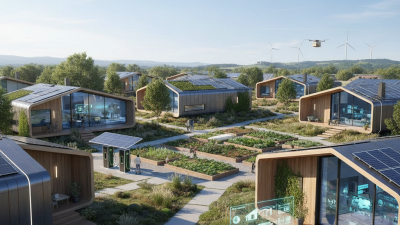
Smart home technologies will play a crucial role in these updated living spaces. Data suggests that over 70% of new homeowners in 2026 will prioritize eco-friendly features. Innovations such as solar panels and smart energy management systems are on the rise. These advancements promise to lower energy costs and promote sustainable living while allowing customization to meet individual needs. Yet, integrating these technologies effectively might present challenges, as not all homeowners are tech-savvy.
However, growth often comes with complexity. The demand for higher customization could lead to increased costs and planning issues. The variety of choices may overwhelm some buyers. Additionally, standardized solutions might not address the unique landscape and zoning regulations of various regions. Balancing innovation with practicality remains a key hurdle in the journey to modernize flat pack living.
2026 Top Trends in Flat Pack Homes for Modern Living
| Trend |
Description |
Technological Innovation |
Impact on Living |
| Sustainability |
Integration of eco-friendly materials and energy-efficient systems. |
Solar panels, rainwater harvesting systems. |
Reduced carbon footprint and lower utility costs. |
| Smart Home Integration |
Incorporation of IoT devices for enhanced convenience. |
Smart lighting, temperature control, and security systems. |
Increased comfort and customization of living spaces. |
| Modularity |
Flexibility in design, allowing for easy expansion or reduction. |
Prefabrication techniques and modular components. |
Adaptability to changing family needs and sizes. |
| Minimalism |
Focus on essential living with clean lines and open spaces. |
Space-efficient furniture and built-in storage solutions. |
Promotes mental clarity and reduces clutter. |
| Biophilic Design |
Incorporation of nature into living spaces for improved well-being. |
Natural materials, living walls, and large windows. |
Enhanced mood and productivity through natural connections. |
Customization Trends in Flat Pack Home Designs for Personalization
Customization in flat pack homes is revolutionizing modern living. Buyers now seek unique designs that reflect their personalities. Modular components allow endless combinations. Choose layouts that fit your lifestyle. From open spaces to cozy nooks, the options are vast and varied.
Furniture placements and color choices are just the beginning. Sustainable materials are gaining popularity. Eco-friendly finishes add warmth and character. Lighting fixtures can be personalized too. But not all choices are perfect. Some may feel overwhelming. Balancing style and functionality can be tricky.
As trends evolve, so do consumer preferences. Many are ready to experiment, but some hesitate. The journey of designing a home should be enjoyable. Embracing imperfection might lead to meaningful spaces. Each decision contributes to a story worth telling.
Affordability and Accessibility of Flat Pack Homes in Modern Markets
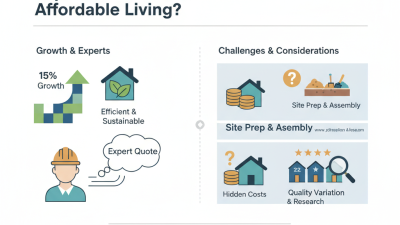
Flat pack homes represent a growing trend in affordable living. According to a 2023 industry report from the National Association of Home Builders, the average cost of traditional homes has risen 30% over the past decade. This has pushed many potential homeowners towards flat pack options. These homes typically cost between 20% to 30% less than conventional builds, making them an attractive alternative.
Accessibility is another significant factor. With housing shortages in urban areas, flat pack homes can be quickly assembled, offering instant solutions. A recent study found that 65% of buyers prefer quick setups. These homes can be delivered and erected in days. However, the assembly process can be complex. DIY enthusiasts may enjoy this challenge, but less experienced individuals might feel overwhelmed.
Despite the appeal, not all flat pack homes meet quality standards. Inconsistencies in materials can lead to durability issues. Buyers must conduct thorough research. Choosing sustainable materials can further enhance affordability. A concern remains about long-term property value. Will flat pack homes appreciate as traditional homes do? This question fosters ongoing debate within the industry.