Affordable Modular Homes Best Solutions for Global Buyers?
Affordable modular homes have emerged as a compelling solution for buyers around the globe. These homes are designed for efficiency and affordability, making them accessible to a wider audience. With the growing demand for sustainable living, more people are considering these innovative structures.
The appeal of affordable modular homes lies in their flexibility and speed of construction. Buyers can customize designs to meet their needs. However, the quality and longevity of these homes are sometimes questioned. Some consumers worry about the materials used and their long-term durability. Addressing these concerns is essential for gaining trust in this growing market.
As cities expand and housing costs rise, affordable modular homes may offer a way forward. They provide a viable option for individuals and families facing housing shortages. However, potential buyers should conduct thorough research before making a decision. Understanding the trade-offs involved in modular construction is crucial for a satisfactory investment.
Affordable Modular Homes: An Overview of Design and Benefits
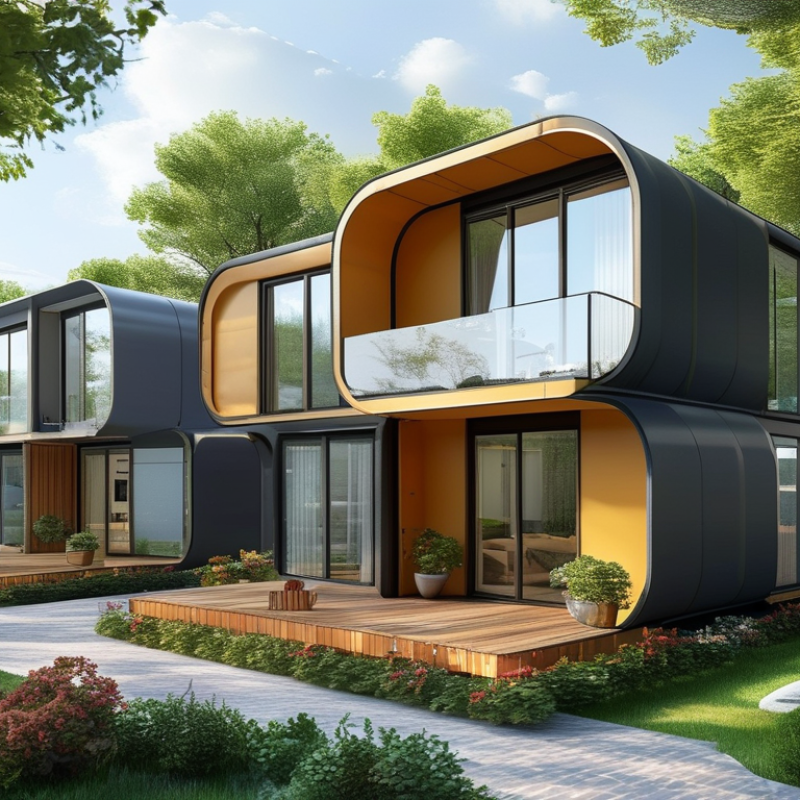
Affordable modular homes represent a compelling solution for many global buyers seeking cost-effective housing options. These homes are built off-site using pre-designed modules, which reduces construction time and labor costs. According to a report from the Modular Building Institute, modular construction can save up to 20% on total building costs compared to traditional methods. This cost efficiency is particularly appealing in regions experiencing housing shortages.
The design flexibility of modular homes enhances their appeal. They can be customized to meet specific needs, featuring various layouts and finishes. Research shows that over 61% of potential homeowners favor eco-friendly designs, which modular homes often provide. These structures utilize sustainable materials and improve energy efficiency, leading to lower utility bills. Yet, while their benefits are clear, potential buyers may face challenges. Local building codes and zoning regulations can complicate the installation of modular homes.
Another consideration is the resale value. Market variation influences how modular homes are perceived in different regions. Some buyers may hesitate, believing that modular homes hold less long-term value compared to traditional homes. This perception requires reflection from the industry on how to enhance trust and acceptability. Ultimately, affordable modular homes offer significant advantages, but careful evaluation is essential for prospective buyers.
Market Trends: The Rising Demand for Affordable Modular Homes
The market for affordable modular homes is experiencing significant growth. According to a recent report by MarketsandMarkets, the modular construction market is expected to reach $157 billion by 2023, growing at a compound annual growth rate (CAGR) of 6.5%. This trend is driven by increasing housing shortages in urban areas and rising land costs.
Many buyers seek affordable housing solutions but face challenges. Traditional building methods can be costly and time-consuming. Modular homes offer a faster alternative. They can be built off-site and delivered quickly. This method reduces labor costs and minimizes material waste. However, potential buyers often overlook the importance of quality and design. Not all modular homes are created equal.
Environmental concerns are also shaping buyer preferences. A study from the National Association of Home Builders suggests that over 70% of homebuyers consider energy-efficient features a top priority. Sustainable options in modular homes may appeal to this demographic. Despite the appeal, many still worry about financing and zoning regulations. These barriers highlight the need for a more informed approach to purchasing modular homes.
Market Trends: The Rising Demand for Affordable Modular Homes
Key Features of Modular Homes: Space, Sustainability, and Affordability
Modular homes stand out for their unique combination of space, sustainability, and affordability. These homes come in various sizes and layouts, allowing buyers to maximize living areas based on their needs. Efficient design often results in open spaces, promoting a sense of roominess that traditional homes might lack. With thoughtful planning, even small modular homes can feel spacious and comfortable.
Sustainability is a core feature of modular homes. Many are built using eco-friendly materials and energy-efficient technologies. This approach reduces environmental impact and lowers utility costs. However, not all modular homes achieve the same level of sustainability. Some builders may prioritize cost over materials, leading to potential issues in durability and energy use.
Affordability is a significant draw for global buyers. Modular homes often have lower upfront costs compared to traditional housing. Additionally, the quick construction time can help avoid prolonged expenses related to labor and maintenance. On the flip side, potential owners must be cautious of quality control in cheaper builds, as this can affect long-term value. It's crucial to research builders thoroughly, ensuring that affordability does not compromise quality and safety.
Financing Options: How Global Buyers Can Invest in Modular Homes
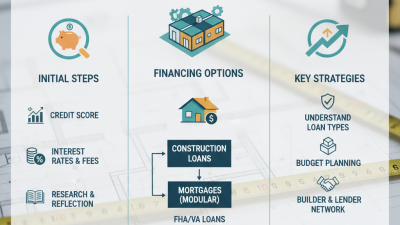
The rise of modular homes offers affordable housing solutions to a global audience. However, financing these innovative homes presents unique challenges. Many buyers find traditional mortgages less applicable to modular constructions. Understanding alternative financing options is crucial for making informed decisions.
One viable option is to explore personal loans. These can provide quick access to funds needed for a modular home purchase. However, interest rates may be higher than those of conventional mortgages. It’s important to assess the total payment over time. Credit unions also offer competitive rates, catering specifically to local buyers. They can be a more reliable choice for those seeking community-focused lending options.
Another method is looking into government programs aimed at promoting sustainable housing. These initiatives might provide grants or low-interest loans. Yet, the eligibility criteria can be stringent and vary by region. It’s a good idea to conduct thorough research and possibly connect with local housing experts. They can guide buyers through the complexities of financing modular homes, highlighting potential pitfalls along the way.
Challenges and Solutions: Overcoming Barriers in Modular Home Acceptance
Modular homes offer a promising solution for affordable housing globally. However, several barriers hinder their widespread acceptance. Many people still view traditional homes as more reliable. This perception delays the growth of modular housing markets. Moreover, misinformation leads to concerns about safety and longevity.
Builder education is crucial to address these misconceptions. Training can improve perceptions of quality in modular construction. Local governments can support this effort by offering workshops and seminars. Financial barriers also exist. Access to funding for modular home buyers can be limited. Innovative financing options could ease this challenge, making modular homes more accessible.
Cultural factors play a significant role in acceptance. In many regions, homeownership embodies a rite of passage. This attachment to traditional homes creates resistance to change. Addressing these emotional aspects can foster acceptance. Engaging communities in discussions about benefits is essential. Sharing success stories of satisfied modular homeowners can shift perceptions.