Discover the Benefits of Acoustic Metal Panels for Your Projects?
Acoustic Metal Panels are transforming various industries. These innovative solutions not only enhance aesthetics but also significantly improve sound quality. According to a recent study by the Acoustical Society of America, effective sound control can enhance productivity in workplaces by up to 25%. As urban environments grow, noise pollution becomes a major concern. Acoustic Metal Panels effectively mitigate this issue.
These panels are known for their durability and visual appeal. They are resistant to moisture and temperature changes, making them ideal for diverse applications. A report from the International Journal of Architectural Engineering cites a rise in demand for sound-absorbing materials in commercial spaces, with Acoustic Metal Panels leading the way. The challenge lies in ensuring proper installation and selection for specific projects, as poorly chosen materials can fail to meet desired acoustic standards.
Investing in Acoustic Metal Panels can unlock significant benefits. However, understanding the right solutions for varying environments is crucial. This ongoing learning process is vital to maximizing their full potential in sound management. Balancing aesthetics with functionality requires informed choices and careful consideration of each project’s unique needs.
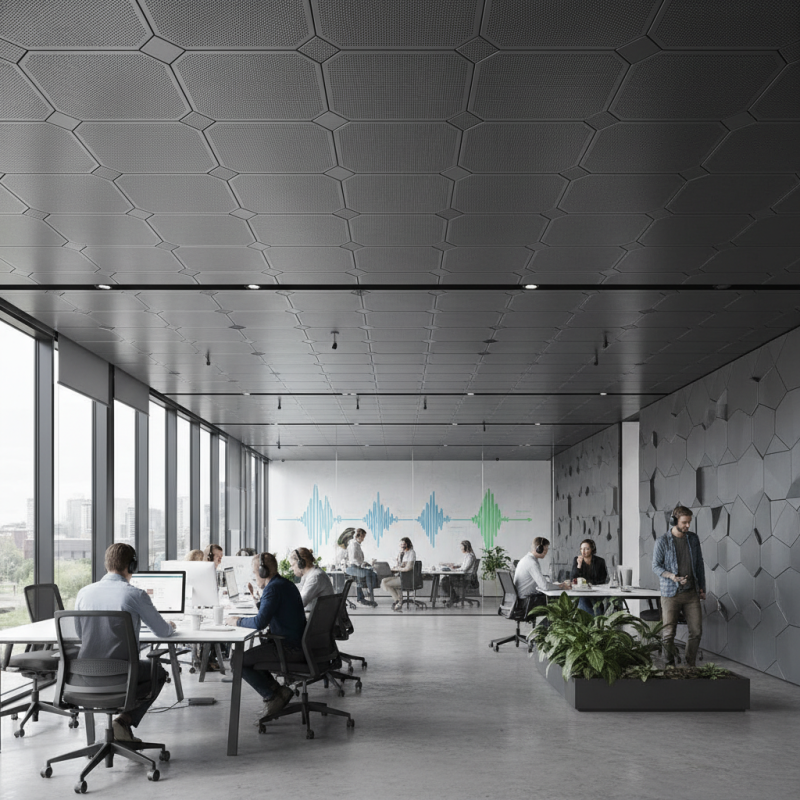
Understanding Acoustic Metal Panels: An Overview
Acoustic metal panels are gaining traction in various construction and design projects. These panels are designed to absorb sound waves more effectively than traditional materials. Their unique properties can significantly reduce noise levels in environments like offices, schools, and concert halls. Research indicates that acoustic metal panels can achieve noise reduction coefficients up to 0.90, showing their effectiveness in sound management.
In urban settings, noise pollution has become a pressing issue. The World Health Organization states that prolonged exposure to high noise levels can lead to health issues. By incorporating acoustic metal panels, architects can help mitigate this problem. Their sleek appearance blends well with modern designs, making them a popular choice for aesthetics and functionality.
Tip: When selecting acoustic panels, consider the thickness and density of the material. Thicker panels generally provide better sound absorption. Remember that the installation method also impacts performance. In some cases, improper installation leads to less effective sound control.
Another aspect to consider is the environmental impact. Acoustic metal panels can be made from recycled materials, promoting sustainability. However, not all products carry eco-certifications, and it's crucial to check these details. It's essential to weigh the benefits against potential drawbacks, such as cost and maintenance.
Key Benefits of Using Acoustic Metal Panels in Design Projects
Acoustic metal panels are increasingly popular in design projects due to their unique advantages. These panels not only enhance aesthetics but also improve sound quality in various environments. According to a study published by the Acoustical Society of America, facilities using acoustic treatments reported a 30% reduction in noise levels. This can be especially beneficial in spaces like offices and schools, where focus and communication are essential.
The durability of acoustic metal panels is another appealing factor. They are resistant to impact, making them suitable for high-traffic areas. Such panels often come with a long lifespan, reducing the need for frequent replacements. However, cost considerations must be reflected upon. While initial investments may be higher, their longevity and performance might save money in the long run.
One surprising aspect is the versatility of design options. Acoustic metal panels can be finished in various textures and colors, adapting to different design aesthetics. However, achieving the right balance between form and function requires thoughtful planning. Designers should consider sound absorption coefficients, ensuring the panels meet the specific acoustic needs of their projects.
Applications of Acoustic Metal Panels in Various Settings
Acoustic metal panels are gaining popularity in various settings. Their design encourages creativity while providing essential sound absorption. These panels are ideal for modern office spaces. They create a better work environment, reducing noise distractions and enhancing focus. Many businesses have reported increased productivity after installing these solutions.
In educational settings, acoustic metal panels improve learning conditions. Classrooms with these panels help students concentrate better. Noise levels drop, making discussions clearer. Meanwhile, in restaurants, they add aesthetic appeal while managing sound. Diners enjoy better conversations without overwhelming background noise.
However, not all installations are perfect right away. Poor placement can lead to ineffective sound absorption. Some projects may need adjustments to maximize benefits. Reflecting on past installations offers valuable lessons for future applications. Understanding how to tailor these solutions is key to achieving optimal results.
Applications of Acoustic Metal Panels
The following chart showcases the various applications of acoustic metal panels across different settings. The data reflects their effectiveness in reducing noise levels in each environment.
Comparative Analysis: Acoustic Metal Panels vs. Traditional Materials
Acoustic metal panels provide a significant upgrade over traditional materials in various projects. Studies show that these panels reduce noise levels by up to 50%. This sound absorption is crucial in environments like offices, schools, and public areas. Traditional materials like drywall or wood typically fall short, often resulting in echo and uncomfortable acoustics.
One of the key advantages of acoustic metal panels is their durability. Unlike wood, metal does not warp over time. This longevity reduces maintenance costs in the long run. Additionally, metal panels are often more sustainable, aligning with the growing demand for eco-friendly building materials. According to a recent industry report, installations using acoustic metal panels can achieve better acoustic performance while contributing to LEED certification.
**Tip:** When selecting materials, consider their environmental impact. Look for products with a high recycled content.
Another aspect worth noting is aesthetics. Acoustic metal panels come in various finishes and colors, making them versatile for many design concepts. Traditional materials may lack the same range, limiting creative options. However, it's crucial to evaluate the potential for visual noise and ensure the design meets your project's goals.
**Tip:** Always test samples in your intended environment for the best results.
Discover the Benefits of Acoustic Metal Panels for Your Projects
| Dimension | Acoustic Metal Panels | Traditional Materials |
| Sound Absorption Coefficient | 0.85 | 0.60 |
| Fire Resistance Rating | Class A | Class C |
| Durability | High | Medium |
| Weight | Lightweight | Heavy |
| Installation Time | Low | High |
| Maintenance | Low | Medium |
| Aesthetic Variety | High | Limited |
Installation and Maintenance Tips for Acoustic Metal Panels
Acoustic metal panels have gained popularity for their noise-reducing properties and aesthetic appeal. When it comes to installation, precision is crucial. Panels should be mounted correctly to maximize sound absorption. Following the manufacturer’s guidelines helps ensure optimal performance. The right tools and techniques will minimize errors during the installation process, leading to a more professional finish.
Maintenance of acoustic metal panels is relatively straightforward. Regular cleaning is essential to maintain their acoustic performance. Dust and grime can accumulate, reducing effectiveness over time. According to industry data, a clean surface can retain up to 20% more sound absorption. However, overzealous cleaning could scratch the surface. Use soft cloths and mild cleaners; harsh chemicals might damage the material.
Consider environmental factors as well. Humidity and temperature can affect the installation longevity. Monitoring these conditions in your project area is vital. If neglected, panels could warp or lose their acoustic properties. Experimenting with installation angles might yield better sound management. Each project has unique acoustic needs. Flexibility in approach often leads to improved results.