Found a design you like or need custom guidance? We can help. Fill in the form about your project, and we’ll contact you to discuss options and answer questions.
In modern living, prefab houses offer remarkable advantages. According to industry expert John Smith, "Prefab houses transform how we think about construction." This approach not only speeds up the building process but also enhances sustainability. Recent studies indicate that energy-efficient designs can reduce utility costs by up to 30%.
Furthermore, prefab houses contribute to waste reduction. The modular construction method minimizes on-site debris. The construction industry generates about 1.3 billion tons of waste annually. Prefab houses can help address this alarming figure. Yet, compliance with quality standards remains a concern, as some suppliers may lack necessary certifications.
Though prefab houses present many benefits, challenges exist. Buyers often face issues around customization. More research is needed on design flexibility. Nonetheless, their efficiency and eco-friendliness cannot be overlooked. As more data emerges, prefab houses may redefine contemporary housing solutions.
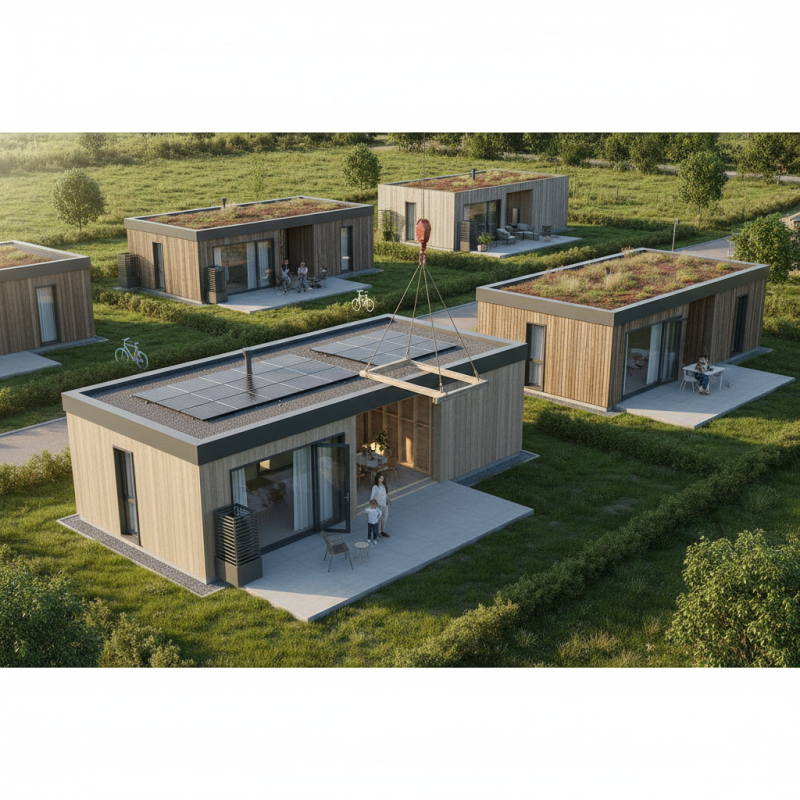
Prefab houses are becoming more popular among modern homeowners. One of their key advantages is efficient construction time. Traditional building methods can take months or even years. In contrast, prefab houses can be constructed in weeks. This rapid assembly can reduce the overall time needed to move into a new home.
Another benefit of quick construction is cost efficiency. Building a house quickly often means lower labor costs. Fewer delays can also prevent unexpected expenses. However, it’s important to note that rushing can lead to oversight. Proper quality checks are essential to ensure longevity and safety.
**Tip:** When considering prefab houses, research various designs that fit your lifestyle. Look for options that maximize space and energy efficiency.
Choosing a prefab home may mean sacrificing some customization. Many designs come standard, limiting personal touches. Think carefully about which features are non-negotiable and which can be modified. Efficient planning will help you enjoy your new home sooner while addressing your must-haves.
**Tip:** Keep a list of your priorities when selecting your home. This will help you stay focused during the decision-making process.
Prefabricated houses have emerged as a popular choice for modern living. One major advantage is cost savings. Building a prefab home can significantly cut down on overall expenses. Traditional home construction often incurs high labor costs and prolonged timelines. Prefab homes can be assembled quickly, which reduces labor costs and minimizes delays.
Tips: Consider opting for prefab designs that allow for customizations without escalating costs. Look for eco-friendly materials, as they can save money on energy bills.
Moreover, prefabricated homes tend to have lower material waste. Manufacturers often recycle leftover materials, further driving down expenses. Efficient construction techniques result in faster completion, which means you can move in sooner. However, navigating design choices can be overwhelming, as options vary widely.
Tips: Create a budget early to avoid overspending. Research various designs before committing to ensure you choose one that fits your needs and lifestyle.
Choosing a prefab home can also mean less maintenance. Many use durable, state-of-the-art materials. However, it's essential to consider long-term needs. Reflect on your lifestyle and whether the prefab design can adapt to future changes.
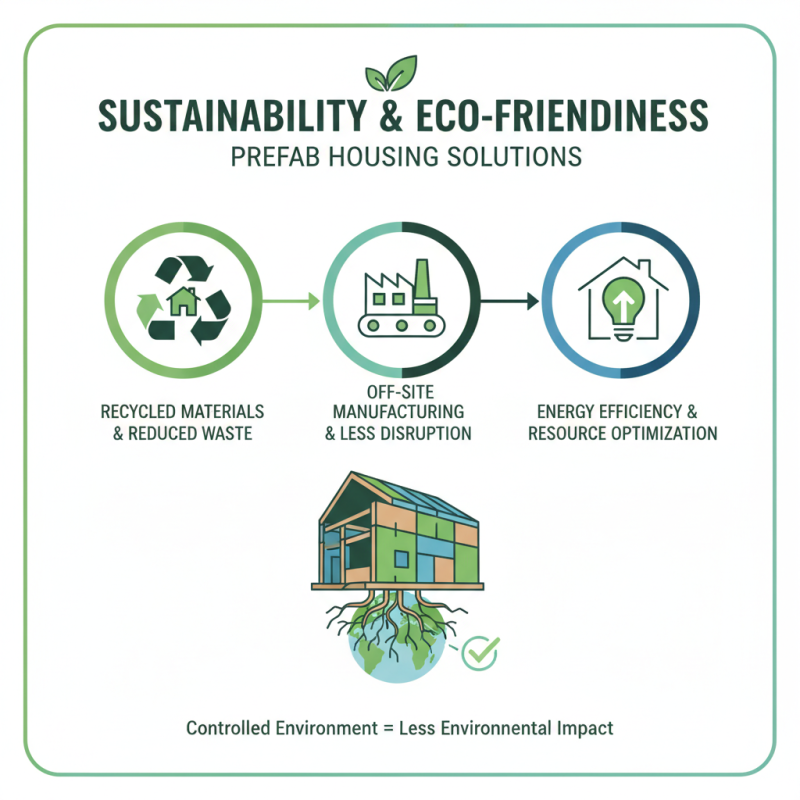
Prefab houses are gaining traction for their sustainability and eco-friendliness. These homes are often constructed using recycled materials, reducing waste in the building process. Many components are manufactured off-site, leading to less environmental disruption during construction. This controlled environment minimizes resource wastage and enhances energy efficiency.
One key aspect of prefab homes is their energy efficiency. With better insulation and energy systems, they reduce heating and cooling costs. However, some designs may still lag in efficient energy use. Homeowners must be vigilant in choosing features that support sustainability. For instance, integrating solar panels can further enhance the green credentials of these homes.
Choosing prefab housing requires thoughtful consideration. While they are inherently more eco-friendly, the sourcing of materials can impact their overall sustainability. Not every prefab option is equal. It’s essential for potential homeowners to research varying production methods. This attention can enhance their living experience while supporting environmental goals.
Modern prefab homes offer remarkable customization options for those seeking a unique living experience. According to a recent industry report by the Prefabricated Building Market Research Group, nearly 75% of consumers prioritize customization in their housing choices. This desire stems from a wish to craft a space that reflects personal tastes and lifestyle needs.
Homebuyers can select from various floor plans, materials, and finishes. Picking colors and layouts makes the process engaging. Some might prefer open spaces, while others value cozy nooks. However, tailoring a prefab home can come with challenges. The complexity of choices can be overwhelming for some. It's essential to balance preferences with practicality. Overspending on too many custom features can lead to regret later.
Prefab homes also allow for eco-friendly options. Many manufacturers now provide sustainable materials to choose from. A report by the Green Building Council highlights that custom green features can reduce energy costs by up to 30%. Yet, understanding and integrating these options can take time. Buyers may need guidance to avoid common pitfalls in the selection process.
Prefab houses have gained popularity for a reason. One significant benefit is the quality control in their manufacturing process. Unlike traditional on-site construction, prefab homes are built in a controlled environment. This leads to fewer errors and inconsistencies. Skilled workers assemble components using standardized methods. Each piece undergoes rigorous testing before it leaves the factory.
In this setup, materials are less exposed to weather damage. This is crucial, as rain or extreme temperatures can weaken structural integrity. Additionally, assembly lines allow for quicker detection of defects. However, the dependency on machinery can sometimes lead to oversight. It’s important to balance automation with human inspection.
Quality control also extends to energy efficiency. Prefab homes are often designed with modern insulation techniques. This can lower heating and cooling costs significantly. Yet, not every prefab builder prioritizes sustainability. Homebuyers should remain vigilant and research options. Finding a balance between cost and quality may require effort. But the rewards of a well-constructed home are undeniable.
| Benefit | Description | Impact on Quality Control |
|---|---|---|
| Faster Construction | Prefab houses can be built in a fraction of the time compared to traditional homes. | Reduced time minimizes the risks of weather-related quality issues. |
| Cost-Effective | Lower labor costs and reduced material waste contribute to overall savings. | Efficient use of materials ensures consistent quality and reduces defects. |
| Sustainability | Prefab construction often uses sustainable materials and practices. | Controlled environments reduce errors and improve material performance. |
| Customization | Design flexibility allows for tailored solutions to meet buyer needs. | Precise manufacturing techniques ensure custom elements are built to specification. |
| Quality Assurance | Prefabricated components undergo rigorous quality checks before assembly. | Higher quality control reduces the likelihood of defects and repairs. |
| Reduced Site Disruption | Less time on-site means less environmental impact and neighborhood disruption. | More efficient logistics result in better quality management during transport. |
| Enhanced Safety | Factory conditions reduce hazards associated with on-site construction. | Improved worker safety leads to fewer accidents and higher quality outcomes. |
| Technological Integration | Modern prefab homes often include smart technology for efficiency. | Integrated systems improve operational quality and monitoring. |
| Energy Efficiency | Designed to optimize insulation and reduce energy consumption. | Quality insulation results in better energy management and durability. |
| Low Maintenance | Construction materials are often durable and require less upkeep. | Higher quality materials lead to long-term satisfaction and reduced replacements. |