Best LTCC Stacking Machine for Efficient Production in China?
The Ltcc Stacking Machine plays a vital role in today's manufacturing landscape, especially in China. With the rise of technology and advanced materials, the efficiency of production lines has become paramount. This machine not only enhances the stacking process but also optimizes overall production rates.
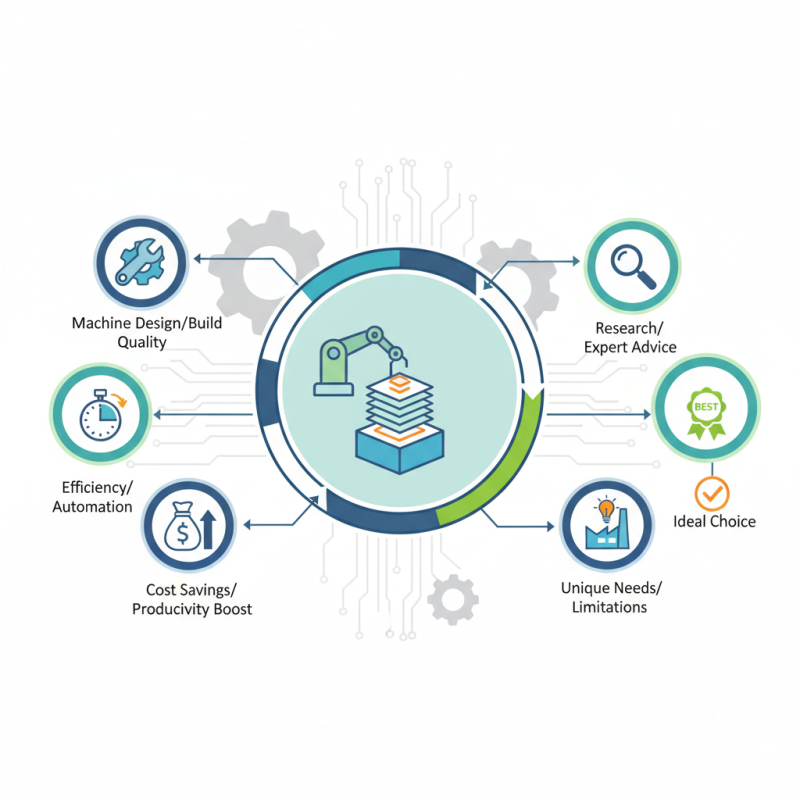
Establishing a reliable LTCC stacking machine can be challenging. Factors like machine design, build quality, and automation features must be considered. These aspects directly influence performance and longevity. The right choice can lead to significant cost savings and productivity boosts. However, companies must reflect on their unique needs and limitations.
Moreover, the market is filled with options, each claiming to provide the best solution. Yet, not all machines live up to their promises. Research and expert advice are crucial before making a decision. Understanding the specific requirements of your production setup is essential for choosing the ideal LTCC stacking machine.
Overview of LTCC Stacking Machines and Their Importance
LTCC stacking machines play a vital role in the production of low-temperature co-fired ceramics. These machines efficiently layer ceramic materials, ensuring precision and consistency in manufacturing. With the growing demand for high-quality electronic components, the importance of reliable stacking machines is clear.
Efficiency in production is not merely about speed; it also involves accuracy. A well-designed LTCC stacking machine minimizes defects and enhances the overall quality of the end product. Operators must be skilled and knowledgeable to handle these machines effectively. Mistakes, however, can happen. Understanding common pitfalls, like improper alignment or material handling, is crucial for improvement.
The choice of stacking machine impacts production significantly. Factors like machine speed, ease of operation, and maintenance requirements should be considered. Some machines may promise high throughput, but they might require more downtime for repair. Balancing production demands and machine reliability is an ongoing challenge for manufacturers. Approaching LTCC stacking technology with a mindset of continuous improvement leads to better outcomes in the long run.
Key Features to Consider When Choosing a LTCC Stacking Machine
When selecting an LTCC stacking machine, efficiency is crucial. Look for machines with high throughput capabilities. This ensures that production rates meet growing demands. Consider the size of the machine. A compact design can save space but should not compromise on performance. The balance between space and efficiency is key.
Another important feature is ease of operation. User-friendly interfaces can reduce training time for operators. Intuitive controls help to minimize errors during operation, leading to better outcomes. Maintenance is also a critical aspect. Machines that are easy to service can maintain productivity in the long run. Regular upkeep can prevent unexpected downtime, keeping production schedules on track.
Evaluate the machine's adaptability to different production needs. Some machines offer customizable features for various products. This flexibility can provide an edge in a competitive market. However, beware of overcomplicating the system. Too many features can lead to confusion. The ideal machine should enhance production without overwhelming users. Balancing complexity and usability is an ongoing challenge in the industry.
Top Manufacturers of LTCC Stacking Machines in China
In China, the demand for LTCC stacking machines is on the rise. These machines are essential for efficient production in various industries. Many manufacturers have emerged, focusing on quality and innovation. The competitive landscape can make it challenging for buyers to choose the right machine that meets their needs.
Some of the top manufacturers in China have invested in advanced technologies. High precision and reliability are vital features. Buyers should pay attention to the machine's specifications. Look for features like automated stacking, easy integration with other equipment, and user-friendly interfaces.
Tips: When selecting a machine, consider the supplier's reputation. Investigate their experience in the industry. Additionally, check for customer reviews to gauge reliability. Remember, investing in robust support services can save time and resources in the long run.
It’s important to analyze the return on investment. Sometimes, cheaper machines may lead to higher operational costs due to inefficiencies. Be cautious of overly optimistic promises from manufacturers. Lay out your production goals clearly before making a decision. Engaging with several manufacturers may help clarify your options and lead to informed choices.
Comparative Analysis of Efficiency and Cost-Effectiveness
The demand for LTCC (Low-Temperature Co-fired Ceramics) stacking machines is rising in China. Manufacturers are focused on optimizing efficiency and cost-effectiveness. According to industry reports, the production efficiency of these machines can vary significantly based on design and technology.
Recent data shows that advanced LTCC stacking machines can achieve production rates of up to 500 units per hour. However, less sophisticated models may only reach 200 units. This difference highlights the importance of investing in the right technology. While initial costs may be high for efficient machines, the long-term savings can be substantial. A report by the Chinese Ceramic Society indicated that a 25% increase in production efficiency could lead to a 30% reduction in operational costs over just five years.
Yet, the adoption of advanced machines isn't without challenges. Proper training for operators is vital. A study cited that 40% of inefficiencies stem from human error. Companies must also consider the maintenance costs of high-performance equipment. A thorough cost-benefit analysis can help in making informed decisions. Balancing initial investment and ongoing expenses is crucial to achieve operational excellence in LTCC production.
Future Trends in LTCC Stacking Machine Technology
The evolution of LTCC (Low Temperature Co-fired Ceramic) stacking machines is crucial for enhancing production efficiency in China. Recent industry reports indicate that the global LTCC market is expected to grow at a CAGR of 8.5% from 2023 to 2030. As technology advances, automation becomes more prevalent in stacking machine design. This trend aims to reduce labor costs and improve accuracy.
Emerging technologies, such as AI and IoT, are transforming how LTCC stacking machines operate. Smart machines can adapt to production variations in real time. Predictive maintenance ensures minimal downtime, enhancing overall productivity. However, companies must remain cautious; integrating new technologies can present challenges. Training employees to utilize advanced systems effectively is essential for success.
**Tip:** Regularly assess your production efficiency. Identify areas where automation can make significant improvements.
Sustainability is becoming increasingly important as companies strive to reduce waste. Utilizing eco-friendly materials in LTCC production can attract environmentally conscious clients. However, ensuring that these materials meet performance standards can be challenging and requires thorough testing and research.
**Tip:** Stay informed about sustainable practices in the industry. Attend workshops and training sessions focused on eco-friendly technologies.
Best LTCC Stacking Machine Production Efficiency in China
This bar chart represents the estimated production efficiency of various LTCC stacking machines in China over the past few years. The data reflects the advancements in technology and improvements in production capabilities relevant to the market.