Found a design you like or need custom guidance? We can help. Fill in the form about your project, and we’ll contact you to discuss options and answer questions.
In the realm of sustainable living, "small prefab homes" are revolutionizing the way we think about housing. Architect Sarah Johnson, an advocate for eco-friendly design, once stated, “Prefab homes offer practical solutions for a greener future.” These homes combine efficiency and modern aesthetics, appealing to those seeking minimalism.
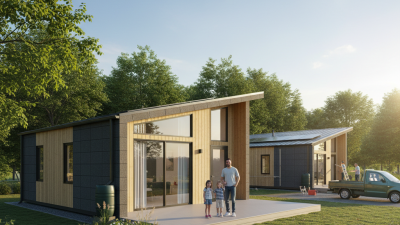
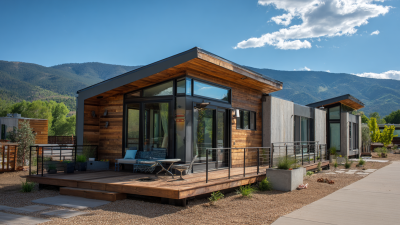
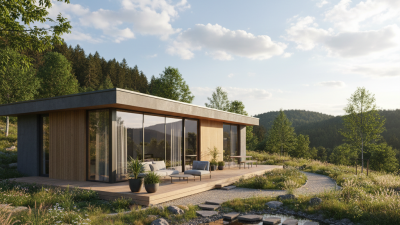
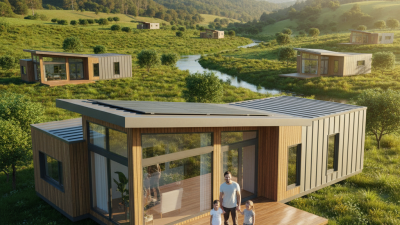
Imagine a space that is both compact and functional. Many small prefab homes feature innovative designs that maximize every square foot. Large windows provide natural light, creating an illusion of spaciousness. Materials are often sourced sustainably, reflecting a commitment to environmental responsibility.
However, the transition to prefab living is not without challenges. Some designs may feel too constrained for families accustomed to larger homes. Moreover, the upfront costs can be daunting, despite potential savings in energy. These factors invite deeper reflection on what 'home' truly means in our quest for sustainability. Embracing this trend requires thought and adaptation, but it offers a glimpse into a future where living small can lead to a more sustainable lifestyle.
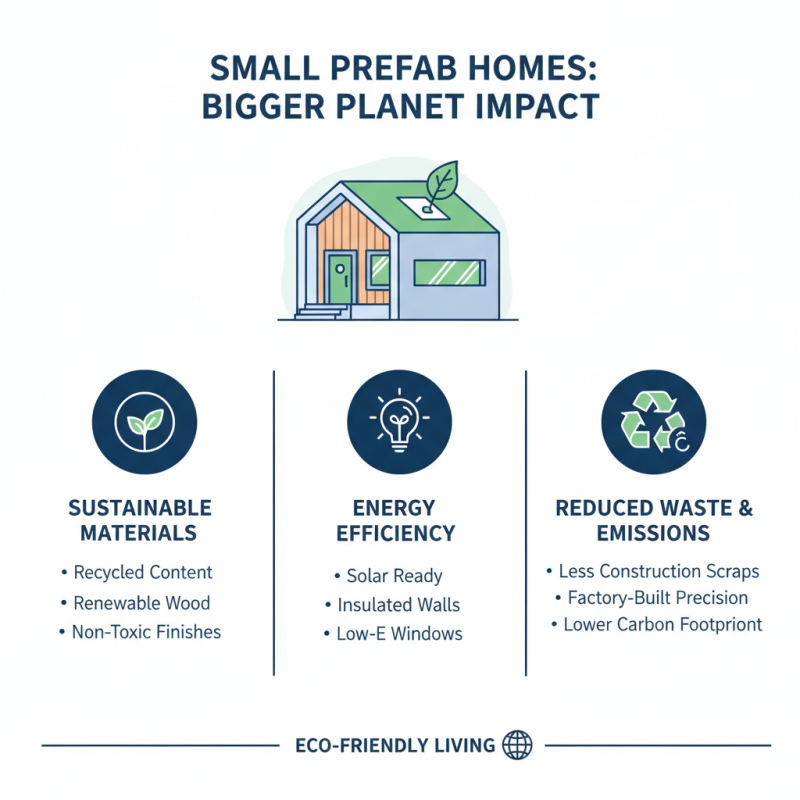
Prefab homes are gaining popularity for sustainable living. These homes are factory-built and assembled on-site. They offer energy efficiency and reduce construction waste. According to a report from the National Association of Home Builders, prefab homes can cut energy use by up to 30%. This is largely due to better insulation and modern building techniques.
The materials used in prefab homes often include recycled and sustainable resources. This helps reduce their carbon footprint. A study from the U.S. Environmental Protection Agency found that the construction industry contributes about 40% of greenhouse gas emissions. By choosing prefab, buyers can contribute to decreasing this impact.
Some challenges remain. Not every site is suitable for prefab homes. Local regulations can complicate the process. Furthermore, buyers might be overwhelmed by choices. The customization options can be daunting. Still, the potential benefits for sustainable living are significant. With careful planning, prefab homes can be a viable solution for eco-conscious individuals.
Sustainable living in small prefab homes is on the rise. These homes focus on energy efficiency, minimal waste, and the use of eco-friendly materials. One key feature is their compact design, allowing for a smaller environmental footprint. Many are built with renewable resources. They often use insulation that meets high energy standards.
When choosing a prefab home, look for those with solar panels. They can significantly reduce energy costs. Efficient heating and cooling systems also make a big difference. Additionally, consider homes with water-saving fixtures. This promotes responsible water usage.
A tip for potential buyers: examine the home’s lifespan. Some materials may degrade faster than others. Not all green options are equal. Ensure the home can withstand local weather conditions. The right choices can lead to long-term sustainability. Always think about future needs, too. You may want to expand or modify the space later.
Sustainable living is gaining traction. Small prefab homes are a viable solution. They use less land and energy. Reports indicate that many prefab structures can be 20-30% more energy efficient than traditional homes. This is a crucial factor in reducing carbon footprints.
One appealing aspect of these homes is their versatility. They can be designed to fit various climates and landscapes. Many builders use recycled materials. This not only minimizes waste but also supports local economies. However, the initial costs can be a barrier. Some may not see the long-term savings at first.
Embracing small prefab homes can mean rethinking our living habits. For instance, these homes often require simpler lifestyles. It might feel limiting at times. But this could lead to a deeper appreciation for less. Some people find this adjustment difficult. Changing perspectives is vital in the quest for true sustainability.
When considering small prefab homes, cost and efficiency are crucial factors. The initial investment can vary widely. Some homes may cost less, but hidden expenses can add up. For instance, land preparation and utilities can quickly escalate. Therefore, budgeting is critical.
Efficiency often hinges on design. A well-designed prefab home can minimize energy costs. Good insulation and compact layouts contribute to lower heating and cooling demands. However, not all designs consider long-term sustainability. Homes with larger windows might be more appealing, but they can lead to higher energy use.
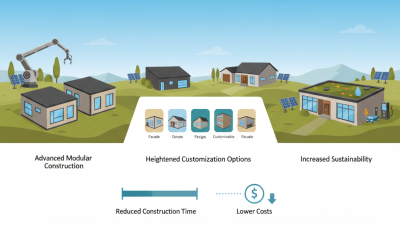
Moreover, some prefab homes may lack customization options. Buyers might feel constrained by limited choices. This can compromise both personal satisfaction and environmental goals. It's essential to weigh functionality against aesthetic preferences. Ultimately, finding the right balance between cost and efficiency in prefab homes requires careful thought and consideration.
The environmental impact of small prefab homes is becoming an increasingly important topic. These homes are often built using sustainable materials and energy-efficient designs. This can lead to a significantly lower carbon footprint compared to traditional homes. They often require fewer resources for construction, which helps reduce waste.
However, not all prefab homes are created equal. Some may still rely on harmful materials or energy sources. The transportation of prefab sections can add to their environmental cost. Furthermore, the longevity and durability of these homes can vary widely. Some may not withstand the test of time as well as traditional builds.
Local climate and terrain also play crucial roles. A small prefab home might perform well in one area but fail in another. The choice of location can influence energy consumption over the years. While prefab homes promote sustainable living, careful consideration is needed. This will ensure they meet individual needs and environmental standards.