Found a design you like or need custom guidance? We can help. Fill in the form about your project, and we’ll contact you to discuss options and answer questions.
Transportable homes are gaining attention as a viable solution for affordable living. In a recent report by the Housing Industry Association, it was noted that 3.7 million Australians face housing stress. This highlights the urgent need for innovative housing options. Transportable homes provide a flexible alternative that can help alleviate this issue.
Expert John Smith, who specializes in modular housing, states, "Transportable homes can offer comfort and sustainability." These homes are designed to be easily relocated, making them ideal for those seeking both affordability and mobility. They often use eco-friendly materials and smart designs to maximize space, making them suitable for various lifestyles.
However, the rise in popularity of transportable homes brings challenges. Many consumers lack awareness about the benefits and potential pitfalls. Some may underestimate construction quality or zoning regulations. Addressing these gaps is crucial. People must weigh their options carefully. Transportable homes are not a one-size-fits-all solution, and individuals need to do their research to make informed decisions.
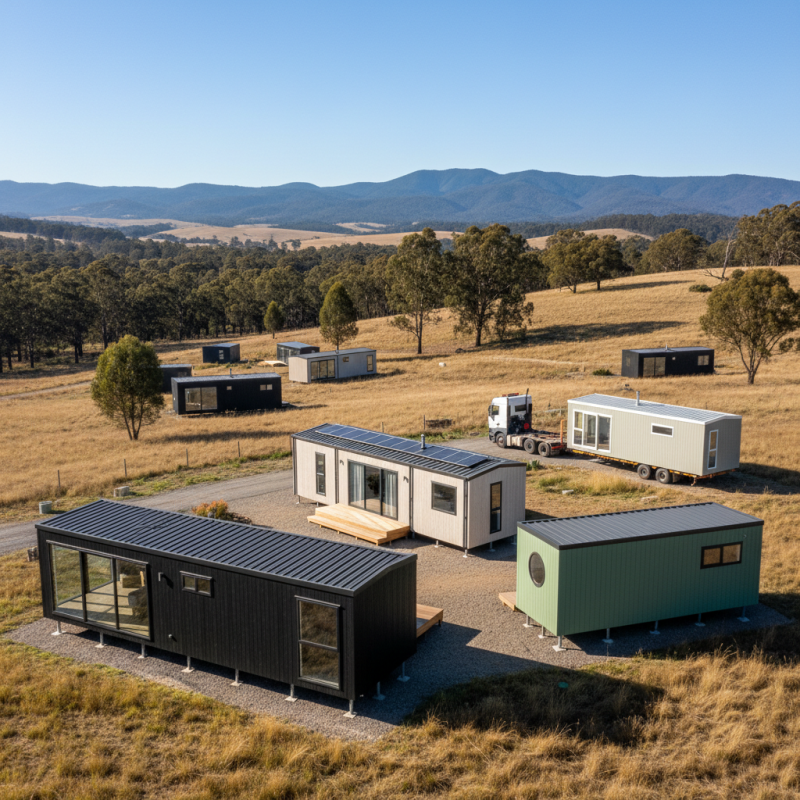
Transportable homes are gaining traction in 2026. Innovations in design and technology enhance their appeal. Modular designs allow for customization, enabling families to express their unique styles. Smart home technology is increasingly integrated, improving energy efficiency and comfort. These features attract eco-conscious buyers.
Recent trends highlight compact living. Space-saving furniture transforms small areas into functional homes. Multi-purpose rooms are becoming more popular. However, some people feel cramped in smaller spaces. These transportable homes force residents to rethink what they truly need.
Sustainable materials are on the rise. Constructing homes with recyclable resources is a priority. Still, sourcing these materials can be challenging. Budget constraints often come into play, leading to tough decisions. Balancing affordability with quality remains a question for many buyers.
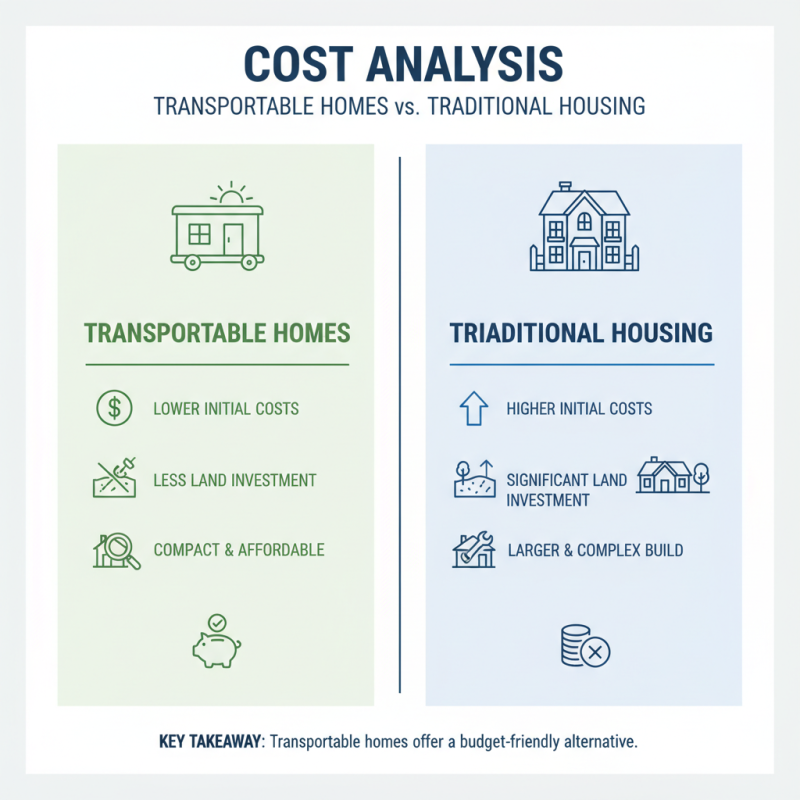
Transportable homes are gaining attention as an affordable living solution. Compared to traditional housing, their cost structure can be more favorable. Transportable homes often have lower initial costs. They generally require less land investment. This miniaturization is appealing to budget-conscious buyers.
However, there are hidden costs. You must consider transportation fees. Installation and foundation work can also add up. Accessibility to utilities may require additional budgeting. If you are not careful, these costs can diminish savings. Reflecting on the entire expense will help ensure better financial planning.
Tips: Research the local market. Understand zoning laws and permits before purchasing. This knowledge could save you time and money. Always inspect the condition of the transportable home thoroughly. Look for wear and tear that might necessitate repairs.
Transportable homes are gaining traction as an affordable living solution. Sustainability practices are at the heart of this trend. According to a report by the International Energy Agency, homes account for 25% of global greenhouse gas emissions. This raises concern about environmentally friendly building methods.
Recycling materials is crucial in transportable home manufacturing. For example, using steel framing reduces waste significantly. Studies show that steel is 100% recyclable. Moreover, companies are adopting eco-friendly insulation materials. These choices minimize energy consumption, contributing to lower utility bills. However, there are aspects needing reflection. Some builders overlook local climate conditions. This can lead to inefficient energy use and wasted resources.
Transportable homes should utilize renewable energy sources. Integrating solar panels can enhance energy efficiency. A report from the U.S. Department of Energy highlights that solar power can reduce energy expenses by 50%. Yet, implementing these technologies can be cost-prohibitive for some homeowners. It's crucial to find a balance between affordability and sustainability. It's not enough to create eco-friendly homes; they must also be accessible to everyone.
| Model | Size (sq ft) | Price ($) | Sustainability Features | Energy Efficiency Rating |
|---|---|---|---|---|
| EcoHome A | 400 | 45,000 | Solar Panels, Rainwater Collection | A+ |
| EcoHome B | 600 | 55,000 | Insulated Shell, Sustainable Materials | A |
| EcoHome C | 500 | 50,000 | LED Lighting, Low-VOC Paints | A++ |
| EcoHome D | 450 | 48,000 | Wind Energy Ready, Smart Thermostats | A+ |
| EcoHome E | 350 | 40,000 | Recycled Materials, Energy Star Appliances | A++ |
Regulatory policies have a significant impact on the transportable home industry. These policies dictate where and how these homes can be placed. Many areas have strict zoning laws that limit the locations for transportable homes. This can create challenges for potential owners seeking affordable living solutions.
In some regions, the approval process for setting up transportable homes can be lengthy. Homeowners often face numerous inspections and permits. Such regulations can discourage builders and buyers alike, leading to fewer housing options. Additionally, environmental regulations may require costly modifications, impacting affordability.
Current policies may not fully support innovation in the industry. Many designs remain outdated due to bureaucratic hurdles. This stagnation can lead to frustration for those looking for modern, sustainable homes. It is essential to rethink these regulations to better accommodate the evolving needs of society. Transportable homes should be part of the broader solution to today's housing crisis.
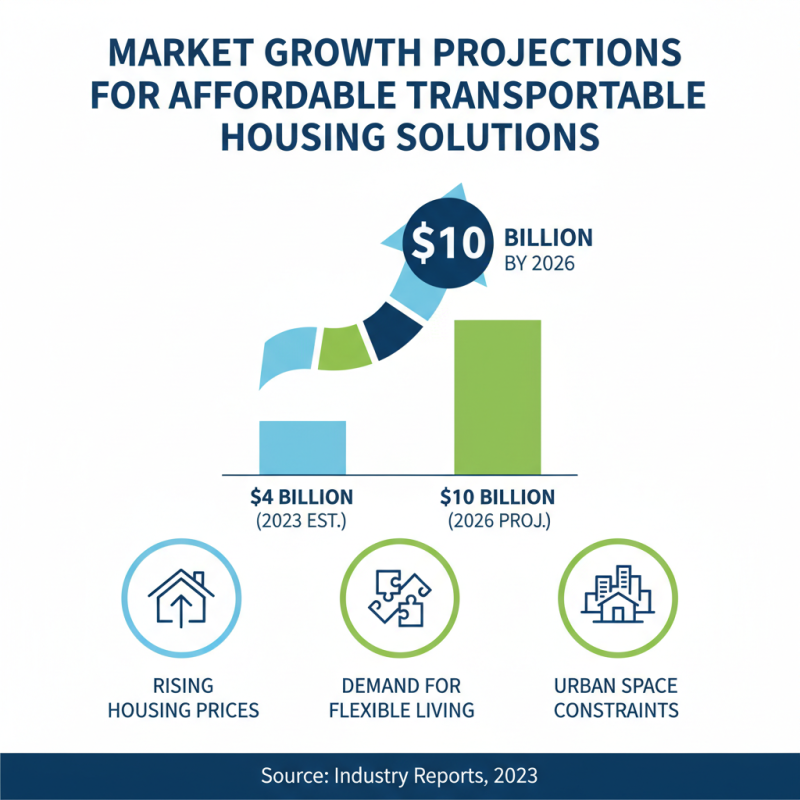
The affordable transportable housing market shows promising growth projections. Reports indicate that the market is expected to reach $10 billion by 2026. This increase comes from rising housing prices and growing demand for flexible living solutions. Urban areas face space constraints, driving interest in compact homes.
Transportable homes offer a solution to housing shortages. They provide mobility and affordability. Around 25% of millennials are interested in these homes due to their lower costs. However, there are concerns about quality. Many transportable houses lack durability. Potential buyers should assess these factors carefully.
Adopting sustainable practices can enhance market growth. Energy-efficient designs attract environmentally-conscious consumers. Yet, not all manufacturers prioritize sustainability. Industry experts stress the importance of standards and regulations. Without proper guidelines, buyers may encounter subpar products. This highlights the need for informed decision-making in an evolving market.