How to Build a Modular House Efficiently and Affordably?
In recent years, the modular house industry has gained traction. Experts like Ryan Smith, a renowned architect and modular design advocate, emphasize efficiency. He states, “Building modular homes can save both time and money.” This approach reshapes how we think about housing.
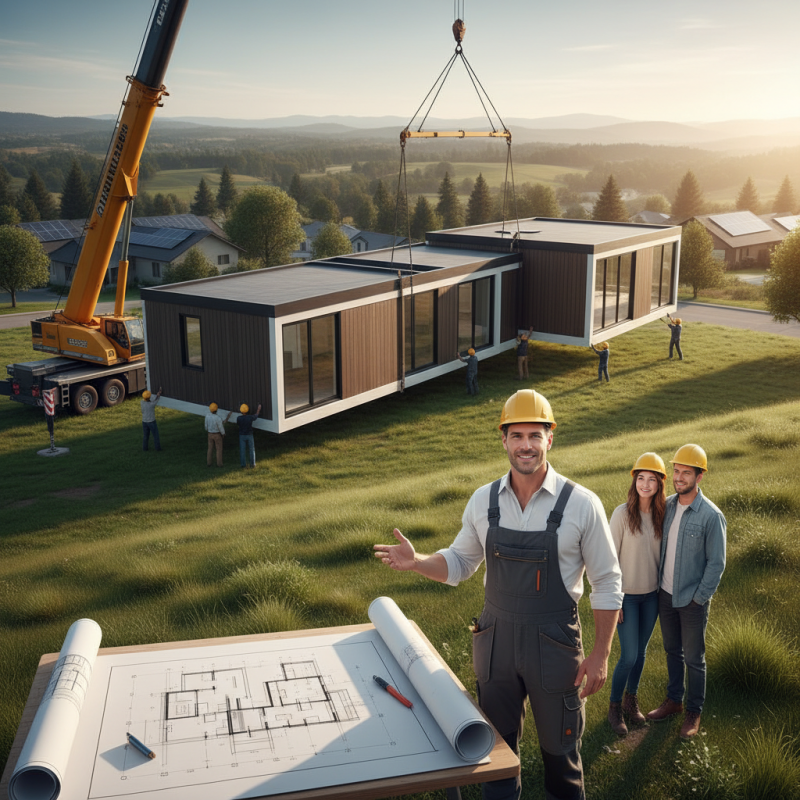
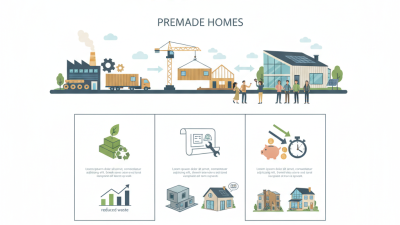
Modular houses offer flexibility and affordability. Constructed in sections, these homes are assembled on-site. This method reduces waste and shortens construction time. Yet, challenges exist, such as zoning regulations and financing hurdles.
Many potential buyers hesitate to embrace modular homes. They worry about quality and resale value. However, with proper planning and expert guidance, these concerns can be addressed. The path to efficient and affordable modular housing is complex, but it's achievable with the right information.
Understanding Modular Housing: Definition and Benefits
Modular housing is a modern solution for efficient and affordable living. Unlike traditional construction, modular homes are pre-fabricated in sections and assembled on-site. This method can reduce construction time by up to 50%, according to the Modular Building Institute. Additionally, these homes often use sustainable materials, leading to lower energy consumption.
Benefits of modular housing include cost-effectiveness and flexibility. The average cost to build a modular home ranges from $100 to $200 per square foot, which is often lower than traditional homes. This affordability allows more people to own a home, especially in urban areas. However, some may worry about the long-term durability and resale value of these homes. Addressing these concerns can lead to better investment decisions.
Tips: When considering modular housing, evaluate your lifestyle needs. Look for designs that offer both functionality and style. Also, check local zoning laws; they can affect where you place your home. Investigate financing options; some lenders have specific programs for modular construction. Make informed choices to maximize the benefits of modular living.
Key Steps in Designing a Modular House Efficiently
Designing a modular house efficiently requires careful planning and creativity. Start by selecting a suitable site. The shape of the lot affects the overall layout. According to the Modular Home Builders Association, over 80% of modular homes are built in factories. This controlled environment speeds up construction and minimizes waste. However, it's crucial to ensure your chosen site is accessible for transport.
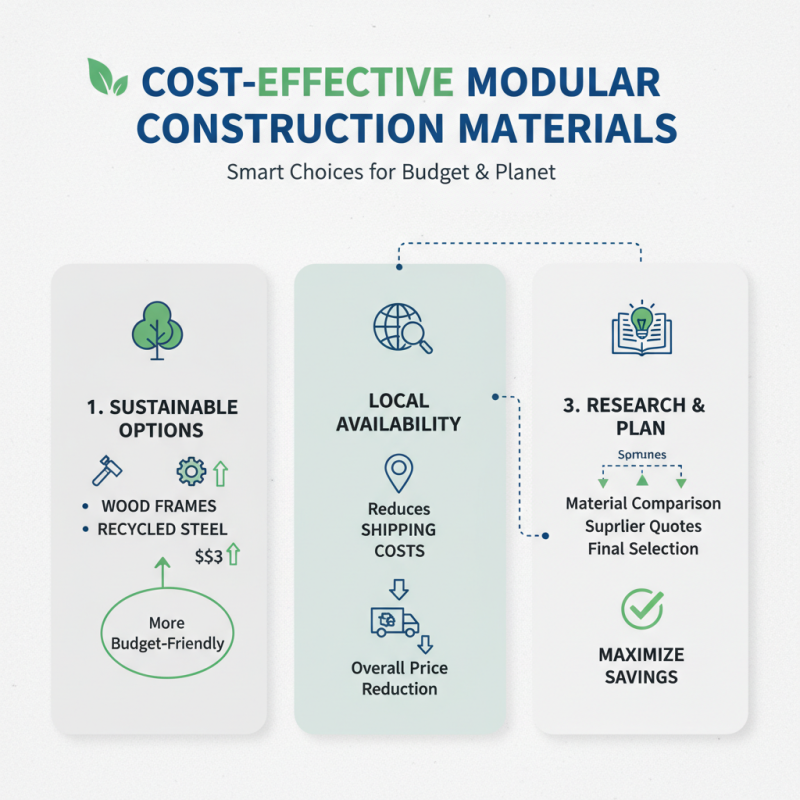
Next, focus on the design. Simplicity is vital. Complex designs can increase costs and construction time. Data indicates that streamlined designs can reduce expenses by up to 25%. Use standardized materials to keep costs down. Consider energy-efficient options as well. Green building practices lead to lower utility bills in the long run.
Pay attention to the community regulations. Some areas have strict guidelines on modular homes. Failing to comply can lead to delays and additional expenses. Communication with local authorities is essential. Lastly, remember that modular doesn’t mean perfect. Design flaws can occur. Be open to feedback and make adjustments early in the process. This approach can save both time and money in the long haul.
The Role of Technology in Modular Home Building
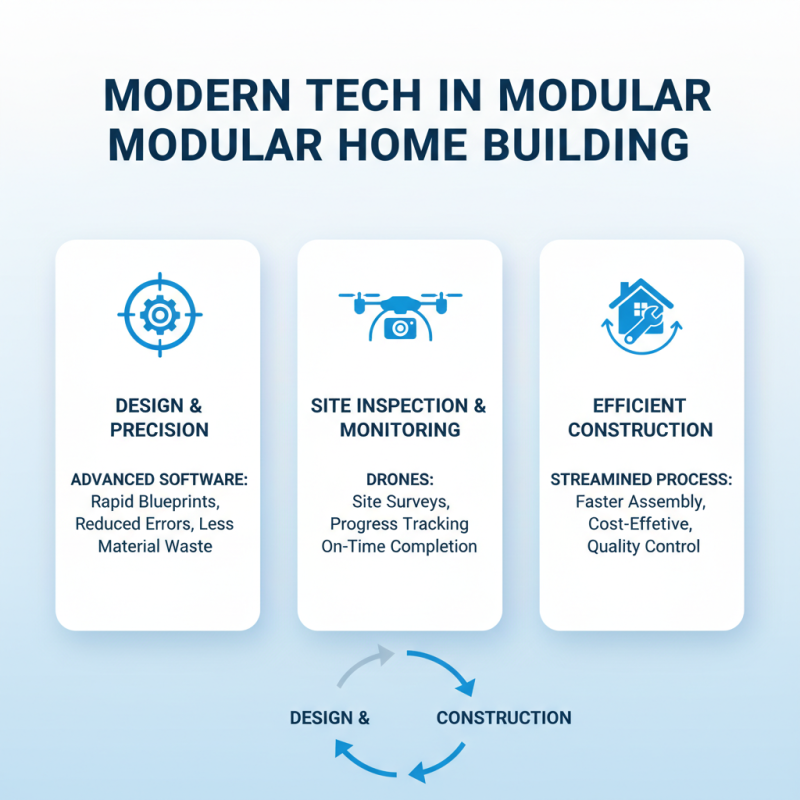
Modern technology plays a vital role in modular home building. It streamlines the entire construction process, making it more efficient. Advanced software allows designers to create precise blueprints quickly. This reduces errors and cuts down on material waste. Drones inspect sites and monitor progress, ensuring timelines are met.
However, relying heavily on technology can present challenges. Systems may fail or software might have glitches. Builders must remain adaptable and problem-solve in real-time. For instance, a faulty unit may require adjustments, causing delays. Communication tools are crucial yet can lead to misunderstandings among team members if not used correctly.
Sustainable materials are increasingly integrated through technology. 3D printing, for example, can create unique architectural features. Yet, sourcing these eco-friendly options can sometimes be more expensive. Finding the balance between cost and sustainability is often a tough task. Each project teaches valuable lessons, revealing both successes and areas for improvement.
Financing Options and Budgeting for Modular Homes
When building a modular home, understanding your financing options is crucial. Many buyers feel overwhelmed by costs. Setting a clear budget can help. Consider a combination of savings, loans, and grants. Research potential lenders who specialize in modular homes. This can lead to better interest rates. You might find local banks more flexible.
Laying out a detailed budget helps avoid surprises. Break down costs into categories: land, materials, and labor. Remember hidden expenses like permits or landscaping. Prepare for the unexpected too; costs can fluctuate. If funds are tight, consider scaling back on non-essentials. You may need to adjust your expectations.
Don’t overlook government programs. These can provide financial assistance for sustainable building practices. Explore potential tax deductions for energy-efficient designs. Grants may also be available for low-income buyers. All these options can significantly ease the financial burden.