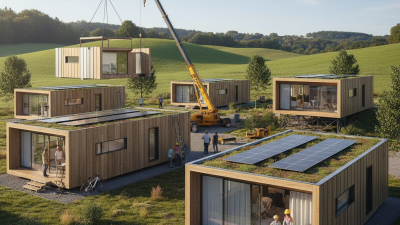
China Best Prefab Houses for Global Buyers What's the Cost?
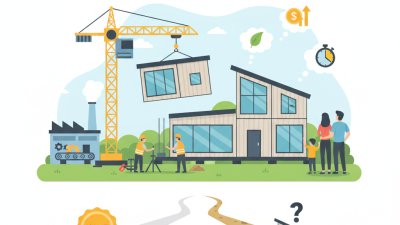
In recent years, the global demand for prefab houses has surged. According to a report by MarketsandMarkets, the prefab housing market is expected to reach $ 162 billion by 2026, growing at a CAGR of 6.5%. This trend is driven by the quick construction times and cost efficiency associated with prefab houses. China has emerged as a key player, offering innovative designs and competitive pricing that appeal to buyers worldwide.
Prefab houses not only save time in construction but also reduce waste significantly. A study by the National Association of Home Builders found that modular construction can cut build times by 30-50%. However, potential buyers must navigate various factors impacting costs, including materials, design complexity, and shipping fees. Additionally, while prefab houses are often seen as an affordable option, hidden costs can arise during installation and site preparation.
While China provides remarkable choices, it's essential to explore options thoroughly. Not every model may meet regional building codes or climatic conditions. Quality assurance is critical; thus, buyers should verify manufacturer reputations. As the popularity of prefab houses grows, so does the need for informed decision-making to avoid pitfalls. Understanding these dynamics will empower global buyers seeking reliable, cost-effective housing solutions.

Overview of Prefabricated Housing in China
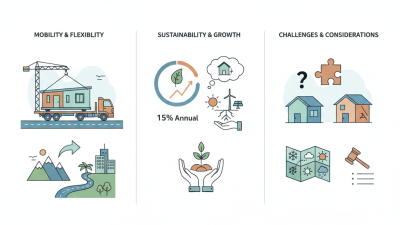
The prefabricated housing market in China has gained significant momentum. As of recent reports, the industry is expected to grow at a compound annual growth rate (CAGR) of over 12% from 2023 to 2030. This growth is driven by urbanization, cost efficiency, and sustainability. Prefab homes symbolize modern architecture while addressing housing shortages. They can be built quickly, often within weeks, thanks to advanced manufacturing techniques.
Recent studies indicate that prefabricated homes can save buyers up to 20-30% on construction costs. Consumers appreciate the reduced waste and streamlined assembly process. However, challenges remain. Quality control can be inconsistent, raising concerns about durability and safety. Moreover, localization of designs may be necessary to meet diverse regional requirements.
Importantly, buyers should conduct thorough research. Understanding local regulations and standards is crucial. Engagement with experienced professionals in the field aids informed decision-making. The prefabricated housing sector provides innovative solutions but warrants careful consideration and planning.
Cost Comparison of Prefabricated Houses in China (USD per Square Meter)
Advantages of Choosing Prefab Houses for Global Buyers
Prefab houses are gaining traction among global buyers for several key reasons. One significant advantage is their cost-effectiveness. According to a recent report by the Global Modular Construction Market, prefab homes can reduce construction costs by up to 20%. This reduction comes from decreased labor and material costs, which appeals to buyers looking for affordable housing solutions.
Additionally, prefab homes offer faster construction times. The same report indicates that these houses can be assembled in as little as 4 to 6 weeks, compared to traditional methods that often take several months. This speed can be crucial for buyers facing urgent housing needs, natural disasters, or urban development demands. The flexibility in designs is another enticing factor. Year after year, customization options have expanded, allowing buyers to tailor homes to their specific requirements without high expenses.
However, potential buyers should reflect on some downsides. Limited local regulations for prefab houses might lead to quality concerns. It’s essential to research and ensure that the manufacturer adheres to safety standards. Overall, the advantages of prefab homes present a compelling case for global buyers, making them a sought-after solution in today’s housing market.
China Best Prefab Houses for Global Buyers - Cost and Advantages
| Type of Prefab House |
Cost per Square Meter (USD) |
Build Time (Weeks) |
Energy Efficiency Rating |
Sustainability Features |
| Modular Home |
$800 |
8 |
A+ |
Recycled Materials |
| Container House |
$600 |
6 |
B |
Solar Panels |
| Tiny Home |
$700 |
5 |
A |
Green Roof |
| Luxury Prefab Villa |
$1200 |
10 |
A++ |
Rainwater Harvesting |
| Family Home |
$900 |
7 |
B+ |
Insulated Walls |
Cost Breakdown: Key Factors Influencing Prefab House Prices
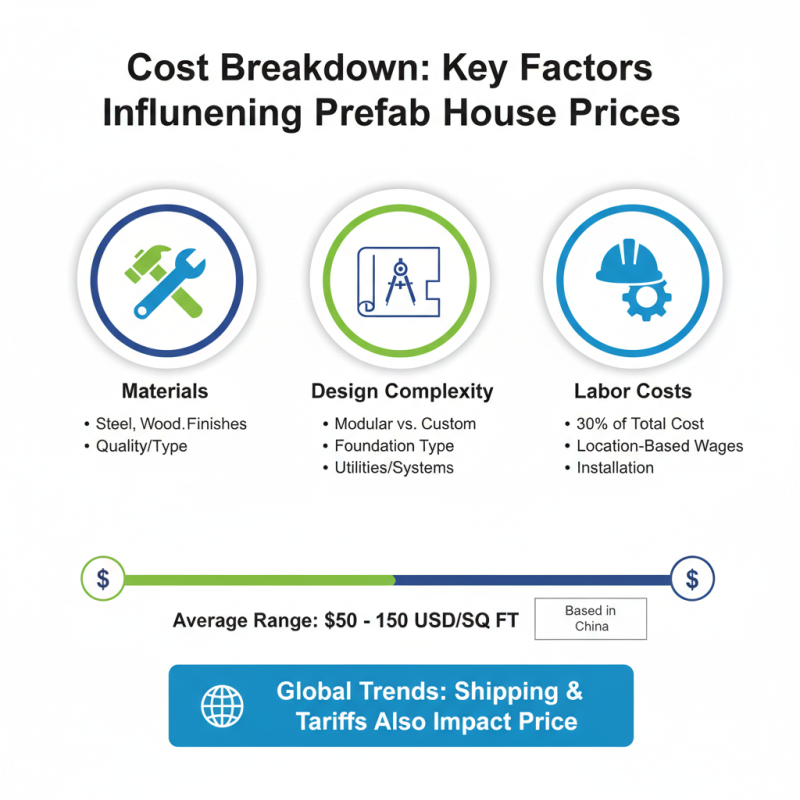
The cost of prefab houses in China varies widely, influenced by several key factors. On average, costs range from $50 to $150 per square foot. This variation depends on materials, design complexity, and labor costs. Standard materials, like steel and wood, significantly impact the final price. Recent industry reports highlight that labor accounts for about 30% of overall costs, illustrating how location affects pricing.
Customization can also drive up expenses. Buyers often desire unique designs, increasing both time and material costs. A study indicates that customized units may cost up to 20% more than standard designs. Environmental considerations are becoming important as well. Energy-efficient materials can lead to higher upfront costs but offer long-term savings on energy bills.
Tips: When budgeting, always account for hidden costs. Land preparation and utility installations can add thousands to your project. Consider the resale value of your prefab house. Some features may not appeal to future buyers, affecting your return on investment. Research extensively; understanding market trends can save you money and time.
Comparative Analysis: Prefab vs. Traditional Home Construction Costs
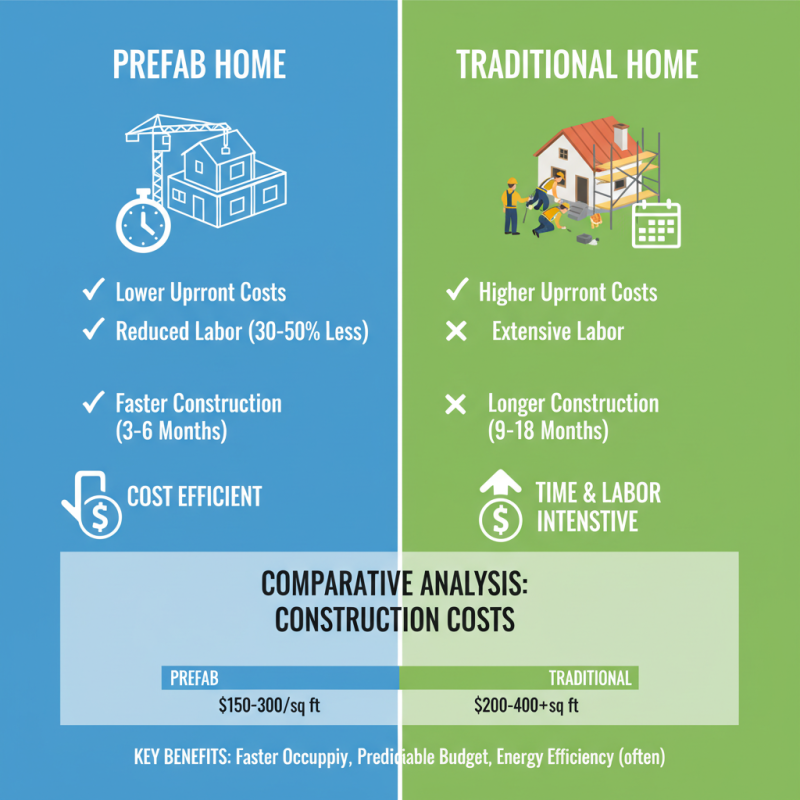
Prefab houses have gained popularity due to their cost efficiency and quick construction. In contrast to traditional homes, prefab options often require less labor and time. A typical prefab house can be assembled in a fraction of the time it takes to build a conventional home. This means buyers often move in sooner, but what does this mean for costs?
On average, prefab homes can save buyers around 10-20% compared to traditional construction. This savings is largely due to bulk purchasing of materials and reduced on-site labor. However, not all prefab houses are affordable; some high-end models can still be pricey. Prospective buyers should weigh quality against price carefully.
**Tips**: Research different prefab options before making a decision. Consider not just the immediate costs, but also long-term value. Look for homes that use sustainable materials. Also, be mindful of potential hidden costs such as delivery and site preparation.
Popular Prefab House Designs and Their Features in China
In recent years, prefab houses have gained popularity in China. Various designs cater to diverse buyer preferences, from modern styles to traditional looks. One prominent design is the modular house.
These structures are built off-site and delivered as complete modules. This method reduces construction time significantly, allowing homeowners to move in faster.
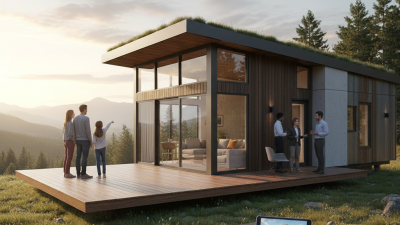
Another preferred option is the eco-friendly prefab house. These homes often utilize sustainable materials and energy-efficient technologies. Reports indicate that eco-friendly designs can lower energy costs by up to 30%. Features like solar panels and rainwater collection systems are commonly included.
Tips: When considering a prefab house, assess your local climate. Certain designs perform better in specific weather conditions. Also, think about future expansion needs. Some models allow for easy additions down the line.
The cost of these houses varies widely. A basic model may cost around $100 per square foot. A customized eco-friendly design could go up to $200 per square foot. Prices also depend on materials and finishes, which can affect overall value. Always conduct thorough research and consult with professionals to avoid costly mistakes.