Found a design you like or need custom guidance? We can help. Fill in the form about your project, and we’ll contact you to discuss options and answer questions.
China’s demountable homes are attracting global buyers who want flexible space, controlled costs, and faster installation. These homes can serve as residences, guest units, offices, classrooms, or temporary accommodation. Their value depends on more than factory production. Buyers must examine materials, insulation, structural connections, transport planning, and local site conditions.
Dutch architect and circular-building advocate Thomas Rau offers a useful principle: “Waste is a design flaw.” His statement encourages manufacturers to design homes for repair, relocation, and future reuse. That idea is visible in practical details, such as bolted frames, replaceable wall panels, accessible service lines, and recyclable finishes. A well-designed unit should not become disposable after one project ends.
China’s leading suppliers are developing demountable homes with steel frames, insulated sandwich panels, modular bathrooms, and energy-efficient windows. Some models arrive nearly complete, reducing on-site labor and disruption. Others allow buyers to combine modules around courtyards, balconies, or narrow urban plots. The best choice still depends on climate, transport distance, foundation requirements, and maintenance access.
Promises can sound impressive.
However, buyers should request engineering documents, material specifications, installation records, and independent quality evidence. Factory inspection is also valuable when large orders are involved. Certification requirements differ between countries, so professional local review remains essential. A cheaper unit may become expensive if shipping, customs procedures, foundations, or electrical adaptations are overlooked.
This guide examines China’s demountable homes from a buyer’s perspective. It considers design quality, durability, customization, sustainability, supplier communication, and after-sales support. The industry is promising, but it is not flawless. Careful comparison matters more than attractive photographs.
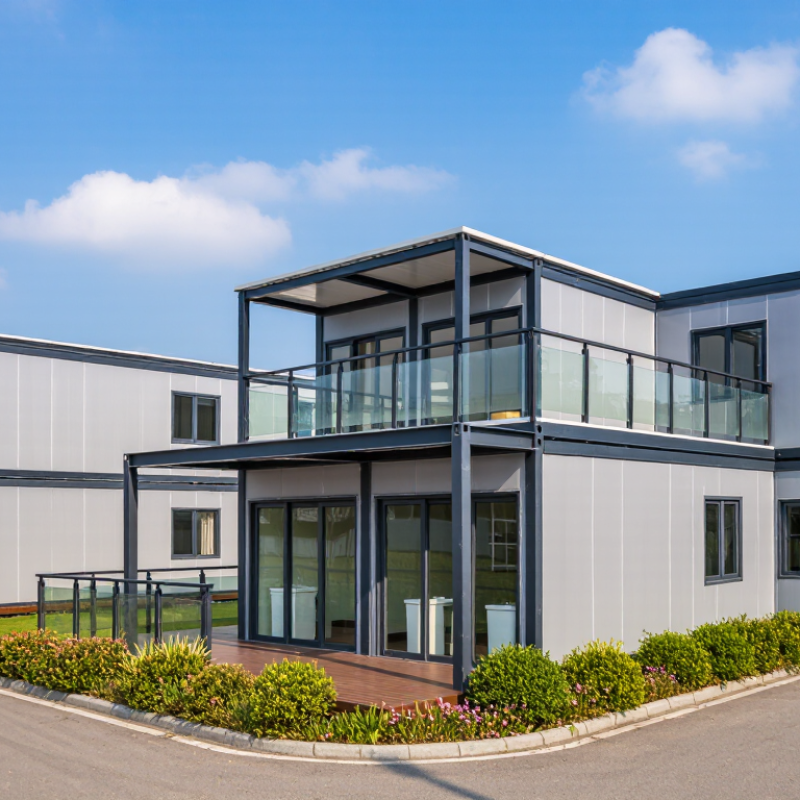
Demountable homes are buildings designed for relocation, reuse, or easier modification. Their parts are manufactured off-site, then transported and assembled on prepared land. A typical system uses steel or engineered timber frames, insulated wall panels, roofing, windows, and service connections. Bolted joints often replace permanent construction methods. This allows trained crews to dismantle sections with less material damage.
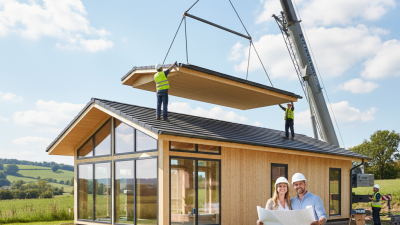
The process begins with a site assessment. Soil conditions, wind exposure, drainage, road access, and local permits all matter. Foundations may use concrete pads, screw piles, or another approved system. After the frame is secured, workers connect electricity, water, ventilation, and wastewater services. Quality depends heavily on installation accuracy. A small sealing mistake can cause drafts or moisture problems. The home is flexible, but it is not effortless.
Tips: Request structural drawings, insulation specifications, fire-safety details, and warranty terms before purchasing. Confirm whether the design meets local building rules. Check transport routes carefully; narrow roads and low bridges can increase costs. Ask for a realistic installation schedule, including weather delays. A demountable home may reduce construction waste and shorten site work, but savings are not guaranteed. Ground preparation, shipping, permits, and utility connections can change the final budget. Independent inspection is sensible, especially for overseas buyers.
China has become a leading source of demountable homes for buyers seeking speed, flexibility, and controlled costs. Its advantage begins with a deep manufacturing network. Steel frames, insulated panels, windows, electrical parts, and interior fittings can be coordinated near one production base. This shortens procurement gaps. It also supports practical customization, from compact worker housing to larger family units. Engineers can adjust insulation, roof pitch, floor loading, and window placement for different climates. In a well-managed factory, panels are cut under controlled conditions and assembled before shipment. Buyers can inspect a sample room, review drawings, and check packing methods. These steps make quality easier to measure.
China’s export experience adds another benefit. Suppliers commonly prepare structural calculations, installation manuals, packing lists, and container plans for international projects. Experienced project teams also understand that a demountable home must support repeated assembly. Connections need clear labels. Fasteners need corrosion protection. Services need accessible routes. Small details matter. A home that looks excellent in a showroom may still fail during installation if instructions are vague or components arrive mixed. That risk deserves honest attention.
Cost is important, but it should not be the only test. Buyers should confirm local building rules, fire performance, wind resistance, energy standards, and foundation requirements before ordering. Coastal air, heavy rain, freezing temperatures, and uneven ground can change the specification. Not every Chinese supplier offers the same engineering depth or after-sales support. That is the uncomfortable part. Careful buyers compare test reports, warranty terms, production photos, and independent inspections. China is a leading source because it combines capacity with adaptability, but reliable results still depend on disciplined design, transparent communication, and site planning.
Demountable homes usually fall into three practical types: container-style units, panelized homes, and steel-frame modular houses. Container-style units suit compact offices, guest rooms, and temporary accommodation. Panelized homes offer more freedom with room sizes and window placement. Steel-frame models work better for larger layouts and repeated relocation.
Design quality matters more than appearance. Look for galvanized steel, insulated wall panels, sealed joints, and corrosion-resistant fasteners. In cold regions, buyers should check thermal bridges around windows and doors. In hot climates, roof ventilation, shading, and reflective coatings can reduce indoor heat. Some homes include factory-fitted bathrooms, kitchens, wiring, and plumbing. This can shorten installation time, but local technicians must still inspect every connection.
A reliable supplier should provide structural drawings, material specifications, loading data, and installation guidance. Ask whether the home suits local wind, snow, earthquake, and fire requirements. Regulations differ widely between countries and even between cities. Transport dimensions also affect total cost. A beautiful design may become expensive when special lifting equipment is needed. Lower prices can hide weaker insulation or limited replacement parts. Some demountable homes still feel temporary inside. Better lighting, acoustic panels, durable flooring, and built-in storage can make daily life more comfortable. Yet buyers should remain realistic: not every factory solution adapts perfectly to every climate or site.
For global buyers, evaluating demountable homes in China requires more than comparing catalog prices. Examine structural steel thickness, weld quality, corrosion protection, insulation density, window seals, and fire-rated materials. Request production photos and inspect a completed unit, not only a showroom model. Small details matter, such as clean cable routing and tightly fitted floor joints.
Calculate the complete landed cost. Include factory pricing, packaging, ocean freight, customs duties, local foundations, installation, permits, and future maintenance. A low quotation may exclude essential items. Ask for a detailed bill of materials and fixed payment milestones. Independent inspection before shipment can verify dimensions, materials, and water resistance. It adds cost, but often reduces expensive rework.
Supplier reliability depends on evidence. Review quality-control records, technical drawings, delivery history, and references from comparable projects. Confirm whether the supplier can provide replacement panels and installation guidance years later. Communication is another practical test. Slow answers during negotiation may become serious delays after payment. My own early estimates once ignored local foundation work, making the final budget noticeably higher. That mistake showed me that supplier selection needs local engineering review, not confidence alone. Keep every specification in the contract, including tolerances, packing standards, inspection rights, and remedies for defective components.
| Evaluation Dimension | Recommended Benchmark | What Global Buyers Should Verify | Typical Commercial or Technical Range | Risk Level |
|---|---|---|---|---|
| Structural Frame | Hot-dip galvanized or suitably corrosion-protected structural steel with documented design calculations. | Steel grade, member thickness, weld quality, bolt specifications, corrosion-protection method, and independent inspection records. | Common galvanized coating targets are approximately 450–600 g/m², subject to the applicable specification and exposure class. | High if undocumented |
| Wind and Snow Resistance | Engineering designed for the project site rather than relying on a generic catalogue rating. | Site wind speed, snow load, seismic category, roof uplift, anchoring details, and signed structural calculations. | Loads vary substantially by location; the supplier should calculate them according to the destination country’s building code. | High |
| Thermal Insulation | Continuous insulation, reduced thermal bridging, and a complete wall, roof, and floor thermal calculation. | Insulation type and density, declared thermal conductivity, thickness, vapour-control layer, window performance, and condensation analysis. | Mineral wool, EPS, XPS, and PIR are commonly used; required U-values depend on climate zone and local regulations. | Medium |
| Fire Safety | Fire-rated assemblies and escape provisions compliant with the destination jurisdiction. | Fire-test reports for walls, floors, doors, and cladding; smoke alarms; emergency exits; reaction-to-fire classification; and local approval requirements. | Fire resistance is normally specified by time ratings such as 30, 60, or 90 minutes, depending on building use and code. | High |
| Moisture and Waterproofing | A continuous water-management system with sealed joints, flashed openings, and raised foundations where required. | Roof and wall membranes, drainage paths, window flashing, floor moisture protection, bathroom waterproofing, and water-penetration test procedures. | The design should account for local rainfall, humidity, freeze-thaw exposure, and coastal or saline conditions. | High if poorly detailed |
| Electrical and Plumbing | Systems configured for the destination country’s voltage, frequency, wiring rules, plumbing standards, and inspection process. | Circuit protection, cable certificates, earthing, residual-current protection, pipe materials, pressure testing, and compatibility with local utilities. | Electrical systems may require 110–120 V or 220–240 V at 50 or 60 Hz, depending on the market. | High |
| Factory Quality Control | Documented inspection and testing at incoming-material, in-process, pre-shipment, and installation stages. | Quality plan, inspection checklists, welding qualifications, dimensional records, non-conformance reports, and photographic evidence linked to unit numbers. | A practical acceptance plan should define measurable tolerances, sample sizes, corrective actions, and sign-off responsibilities. | Medium |
| Estimated Factory Cost | Compare equivalent specifications rather than comparing headline prices alone. | Confirm whether the quotation includes structure, finishes, MEP systems, kitchen and bathroom fixtures, packing, loading, documentation, and installation. | Indicative factory-only pricing commonly varies from about US$250–700+ per m², depending on specification, volume, and customization. | Medium |
| Total Delivered Cost | Use a landed-cost model that includes all project-specific expenses. | Freight, insurance, port charges, customs duty, taxes, inland transport, foundations, permits, local labour, utility connections, and commissioning. | Total project cost can be 30%–100% or more above the factory price, depending on site works, regulations, logistics, and installation scope. | High |
| Production and Delivery Time | The schedule should begin after approved drawings, deposit receipt, and specification freeze. | Production milestones, inspection dates, container availability, port congestion allowance, shipping route, and installation sequence. | Typical production may take approximately 6–16 weeks; international shipping and local approval can add several weeks. | Medium |
| Transport and Demountability | Components should be designed for repeated assembly and disassembly without damaging critical connections. | Packed dimensions, gross weight, lifting points, container utilization, connection details, replacement parts, and reassembly instructions. | Transport planning should account for standard container limits, road restrictions, crane capacity, and local handling equipment. | Medium |
| Supplier Reliability | Select a supplier that can demonstrate relevant production capacity, export experience, and financial and operational stability. | Factory audit, completed project references, ownership and registration documents, production capacity, subcontractor controls, and after-sales response process. | Use staged payments tied to objective milestones; retain a final balance until inspection, documentation, and agreed defects are resolved. | High |
| Certification and Code Compliance | Compliance must be assessed against the destination country and local authority, not solely against general factory certificates. | Building-code documents, product test reports, material declarations, electrical approvals, energy calculations, and import requirements. | Relevant frameworks may include the International Building Code, International Residential Code, Eurocodes, national building regulations, and local amendments. | High |
| Warranty and After-Sales Support | Warranty terms should clearly separate structural, waterproofing, equipment, finishes, and consumable components. | Warranty duration, exclusions, response times, spare-parts availability, remote technical support, and responsibility for installation-related defects. | Many construction warranties use different periods by component; the contract should state exact durations rather than using a single general promise. | Medium |
Buying demountable homes from China requires more than comparing factory prices. Shipping begins with accurate packing plans. A supplier should confirm module dimensions, gross weight, lifting points, and container loading diagrams. Ask for moisture protection, shock indicators, and a photo record before dispatch. Sea freight schedules can change during holidays or severe weather. A practical lesson is to allow a written buffer of two to four weeks. Early estimates are sometimes too optimistic.
Installation works best when responsibilities are agreed before shipment. The seller should provide foundation drawings, assembly sequences, utility layouts, and torque requirements. A local engineer must check soil, wind, snow, fire, energy, and accessibility rules. These requirements vary by country, region, and intended use. Local approval remains the buyer’s responsibility unless the contract clearly states otherwise. Photographs cannot replace an on-site inspection.
Reliable after-sales support includes spare-part lists, digital manuals, response times, and remote troubleshooting. Video calls can guide checks on doors, seals, wiring, or drainage. Keep a written defect log with dates and photographs. A clear warranty should define coverage, exclusions, labor, transport, and claim deadlines. Before payment, inspect a finished model or test one assembled unit when possible. This may reveal gaps in insulation, alignment, or finish quality. Support should be documented, measurable, and reachable.