Why Choose Aluminium Door Profiles for Your Projects?
When considering materials for your next architectural project, the choice of door profiles is crucial. Among various options, the Aluminium Door Profile stands out for its myriad advantages. Having gained popularity in modern construction, aluminium profiles offer both functionality and aesthetic appeal.
One key reason to opt for Aluminium Door Profiles is durability. Unlike wood, aluminium does not warp or rot. It withstands harsh weather conditions while maintaining its form. This material is also lightweight, making it easier to handle during installations. However, there may be challenges with thermal insulation compared to other materials.
Furthermore, aluminium is a sustainable choice. Its recyclability reduces waste and environmental impact. Many manufacturers create energy-efficient designs that help lower utility bills. Yet, not all aluminium door profiles guarantee these benefits. It's essential to evaluate quality and manufacturer reputation. Ultimately, selecting the right Aluminium Door Profile can enhance your project while contributing to eco-friendliness.
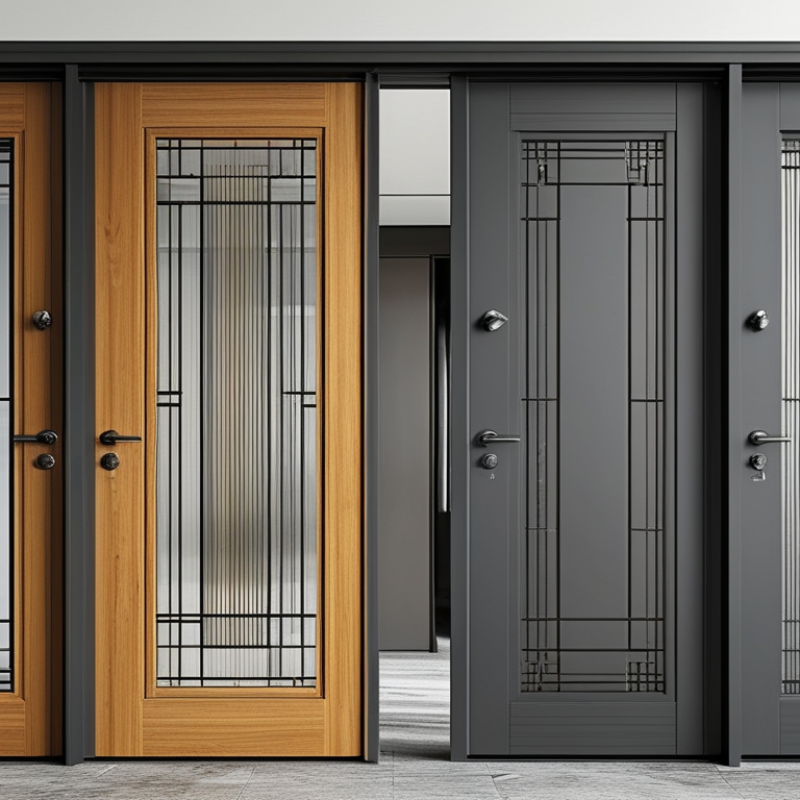
Benefits of Using Aluminium Door Profiles in Architectural Design
Aluminium door profiles offer numerous benefits in architectural design. Their lightweight nature makes them easy to handle and install. This can save time on construction sites. Additionally, aluminium is resistant to weathering, which contributes to long-lasting durability. Architects appreciate this as it reduces maintenance costs over time.
The versatility of aluminium allows for various design options. Profiles can be customized to fit different aesthetic needs. This flexibility ensures they can adapt to both modern and traditional architecture. Their sleek appearance complements glass and other materials, enhancing overall design cohesion. However, the appearance may not suit every style, and careful consideration is necessary.
Sustainability is another crucial factor. Aluminium is recyclable, offering an eco-friendly choice for projects. Yet, not all recycling processes are perfect. This area requires further improvement within the industry. Using aluminium door profiles can also improve energy efficiency in buildings. However, this benefit is contingent on proper installation and insulation techniques being employed.
Durability and Maintenance Advantages of Aluminium Profiles
Aluminium door profiles stand out due to their exceptional durability. According to a report by the Aluminium Federation, aluminium can withstand harsh weather conditions without warping or rusting. This feature significantly extends the lifespan of installations compared to wood or PVC, which often require frequent replacement. The average lifespan of aluminium profiles can exceed 30 years with proper care.
Maintenance of aluminium doors is another advantage worth mentioning. Regular cleaning with mild soap and water is usually sufficient. This ease of maintenance contributes to lower long-term costs. A study from the Construction Industry Research and Information Association highlights that buildings with aluminium profiling see a 20% reduction in maintenance expenses over time. Even though some may worry about the initial investment, the reduced upkeep and longevity often offset these costs.
However, not all aluminium profiles are created equal. There are variations in quality among manufacturers. Choosing lower-grade aluminium can lead to performance issues. Research shows that around 15% of customers experience problems with cheaper products, such as discoloration or brittleness. It is crucial to consider the source when selecting materials. Doing so ensures that you benefit fully from the advantages that high-quality aluminium profiles provide.
Durability and Maintenance Advantages of Aluminium Door Profiles
Energy Efficiency: How Aluminium Profiles Contribute to Sustainability
Aluminium door profiles are increasingly recognized for their role in energy efficiency and sustainability. According to a report by the European Aluminium Association, buildings account for around 40% of the energy consumption in Europe. By integrating aluminium profiles, projects can significantly reduce heat loss and improve thermal performance. A properly insulated aluminium door can cut energy costs by up to 30%, a substantial savings for both residential and commercial spaces.
One key advantage of aluminium is its recyclability. Around 75% of all aluminium ever produced is still in use today, highlighting its sustainability. Each time aluminium is recycled, it uses only 5% of the energy required for primary production. Furthermore, modern aluminium profiles often include thermal breaks, which prevent heat transfer. While they are effective, the initial design can be challenging. Ensuring optimal insulation without compromising structural integrity requires expertise.
Additionally, concerns exist regarding the carbon footprint of aluminium production. The process can be energy-intensive. Reportedly, recycling can reduce this impact significantly. Architects and builders must weigh these factors in project planning. A balance between performance, aesthetics, and sustainability is ideal but not easily achieved. Each project is unique, requiring thoughtful consideration of materials and methods.
Why Choose Aluminium Door Profiles for Your Projects? - Energy Efficiency: How Aluminium Profiles Contribute to Sustainability
| Dimension | Aluminium Profiles Value | Environmental Impact | Energy Efficiency Rating |
| Thermal Conductivity | 0.086 W/mK | Reduces heat transfer, improving comfort. | A+ |
| Recyclability | 100% | Minimizes waste and promotes reuse. | A+ |
| Durability | Up to 50 years | Less frequent replacements, lower resource use. | A++ |
| Maintenance | Low | Reduces need for resource-intensive maintenance. | A |
| Energy Savings | Up to 30% per year | Contributes to lower carbon footprint. | A++ |
Cost-Effectiveness of Aluminium Door Profiles Over Time
Aluminium door profiles stand out as an excellent choice for many construction projects. Their cost-effectiveness is notable over time, making them a wise investment. While the initial costs might seem high, the longevity of aluminium doors sets them apart. They resist corrosion and don't warp, leading to fewer repairs and replacements.
Energy efficiency is another aspect to consider. Well-designed aluminium doors can provide better insulation than traditional materials. This can result in significant savings on heating and cooling bills. Many users report reduced energy costs over time. However, one must be cautious about the quality of insulation. Not all aluminium doors have the same thermal performance, and that could impact long-term savings.
In terms of maintenance, aluminium doors require less upkeep than wooden ones. They don't need frequent painting and can withstand harsh weather. Yet, some users find that the appearance can dull over time, requiring occasional cleaning to restore their shine. While generally robust, it’s essential to choose a reputable supplier to ensure the quality and durability of the profiles.
Market Trends: The Growing Popularity of Aluminium in Construction
The construction industry is experiencing a noticeable shift towards aluminium door profiles. Several factors contribute to the increasing popularity of aluminium in modern buildings. Firstly, aluminium is known for its durability and lightweight properties. It is resistant to corrosion, making it an ideal choice for various climates.
Additionally, architects and builders are drawn to aluminium for its aesthetic flexibility. It can be easily customized to fit different designs, blending seamlessly with various architectural styles. The sleek finish of aluminum doors enhances the overall look of a project, adding sophistication without compromising functionality.
Tips: When selecting aluminium profiles, consider thermal breaks. They enhance energy efficiency and reduce heat transfer. Also, ensure your supplier follows strict quality standards for longevity.
While the benefits are compelling, there are challenges. The initial cost of aluminium can be higher than other materials. It's crucial to weigh long-term savings against upfront expenses. Proper installation is vital. If not done correctly, issues like warping can arise over time. Always consult with professionals to ensure the best results.