How to Choose the Best Fiberboard Medium Density Board?
When it comes to selecting the right materials for construction or furniture, the choice of Fiberboard Medium Density Board (MDF) is crucial. This type of board is valued for its versatility and affordability. However, not all MDF is created equal. Many factors influence its quality and suitability for various applications.
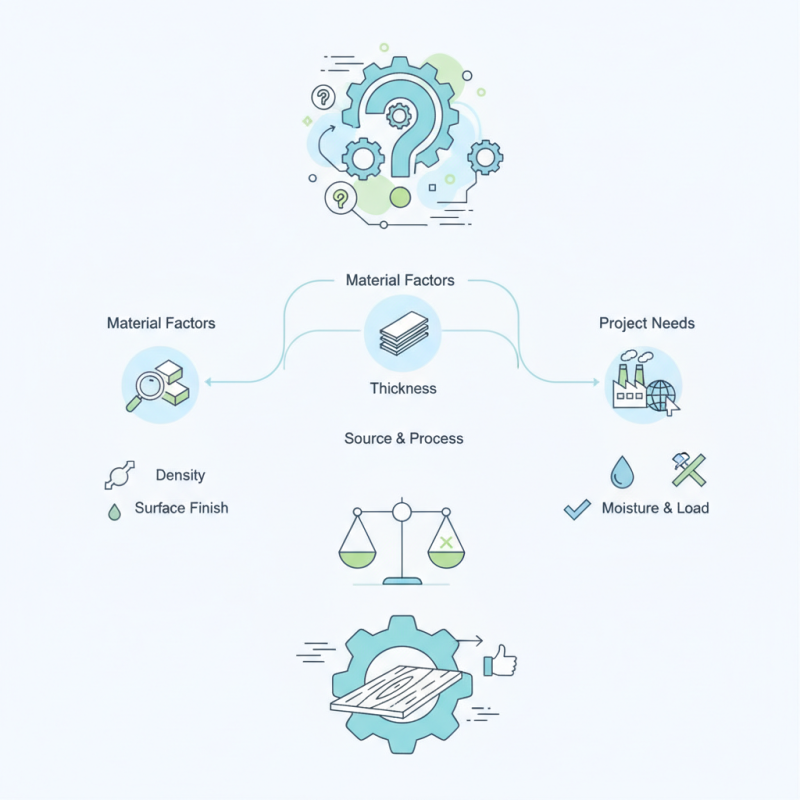
Understanding these factors can help you make an informed choice. Look at the density, thickness, and surface finish of the Fiberboard Medium Density Board. These aspects contribute to its durability and overall performance. Additionally, consider the source and manufacturing process of the MDF. This knowledge adds to its reliability and the trustworthiness of your purchase.
Remember, while Fiberboard Medium Density Board can be a great option, it is essential to reflect on your specific needs. Sometimes, it may not be the best fit for high-moisture areas or heavy loads. Weighing the pros and cons is key to ensuring you choose the right material for your project.
Understanding Medium Density Fiberboard (MDF) Characteristics
Medium Density Fiberboard (MDF) has become a popular choice for various applications in furniture and cabinetry. It is made from wood fibers that are bonded together with heat and pressure. The result is a dense and smooth surface that is easy to work with. MDF is versatile and can be used for both painted and veneered finishes.
One key characteristic of MDF is its uniform density. This feature allows for consistent performance across different projects. However, while it is an excellent material for many uses, MDF is not waterproof. Prolonged exposure to moisture can cause it to swell and lose its integrity. Additionally, although MDF is easier to cut compared to solid wood, its edges can be prone to chipping if not handled carefully.
Choosing the right MDF requires consideration of factors such as thickness and density. Thicker boards are generally stronger, which might be crucial for structural projects. You might find it tempting to opt for lower-cost options, but the quality can vary widely. Poor-quality MDF may lead to issues in the long run, such as warping or unsatisfactory finishes. Always assess your project's specific needs before making a decision.
Medium Density Fiberboard (MDF) Characteristics Comparison
Evaluating Different Grades and Types of Fiberboard
When evaluating different grades and types of fiberboard, it’s essential to understand their unique characteristics. Fiberboard, especially Medium Density Fiberboard (MDF), is popular for its smooth surface and versatility. However, not all fiberboards are created equal. Grades vary based on density, thickness, and intended use. Higher-density boards tend to offer improved durability and resistance to moisture. However, they are usually heavier, which may not suit all projects.
Choosing the right type involves considering the specific requirements of your application. For cabinetry, a high-quality MDF may be best for a refined finish. For soundproofing, denser boards can effectively reduce noise levels. Evaluating the environment where the fiberboard will be used is also crucial. Will it face humidity? If so, a moisture-resistant option is necessary. Yet, many overlook these details, often leading to buyer's remorse when the board fails to meet expectations. It's vital to balance cost and quality while ensuring the chosen product aligns with your long-term needs.
Factors to Consider When Choosing MDF for Your Project
Choosing the right medium density fiberboard (MDF) involves considering several key factors. Density plays a significant role. Higher-density boards tend to be more durable and offer better sound insulation. However, they can be heavier and more expensive. Lighter boards are easier to handle and can save you money, but they may not perform as well in heavy-duty applications.
Wood finish options also matter. The surface quality of MDF is essential for a smooth and polished look. High-quality MDF has a finer finish that holds paint and veneer better. You might want to consider how the board will be used. For moist environments, look for moisture-resistant MDF. It's vital for bathrooms or kitchens.
Another important factor is the environmental impact. Seek out sustainable sources when selecting MDF. Eco-friendly options may be more expensive but benefit the planet. Not every type is created equal, so be prepared to ask questions and do some research. It's an investment in both your project and the environment. Don't rush this decision; take your time to find the best MDF for your needs.
Comparing Cost and Quality of MDF Options in the Market
When considering medium density fiberboard (MDF), cost and quality are crucial. Analyzing these factors helps consumers make informed choices. MDF is typically less expensive than solid wood but varies significantly in quality. Higher-quality MDF boards may cost more but offer better durability and finish.
Cost often correlates with the board's density and production method. Cheaper options may seem appealing but can have issues like warping or lackluster finishes. Lower-density boards might not withstand heavy use. Meanwhile, investing in better MDF can lead to longer-lasting results in furniture or cabinetry.
It’s important to understand that not all MDF is created equal. You might find boards labeled as "high-density," which can enhance performance. However, the source and manufacturing process influence quality too. It's worth researching suppliers and reading customer reviews. Reflecting on your specific needs can guide you in selecting the right option. Balancing cost and quality requires careful thought.
How to Choose the Best Fiberboard Medium Density Board? - Comparing Cost and Quality of MDF Options in the Market
| MDF Type | Thickness (mm) | Price per Sheet ($) | Density (kg/m³) | Moisture Resistance | Finish Quality |
| Standard MDF | 18 | 30 | 600 | No | Good |
| Moisture-Resistant MDF | 18 | 50 | 650 | Yes | Excellent |
| High-Density MDF | 12 | 40 | 800 | No | Very Good |
| Fire-Retardant MDF | 18 | 70 | 700 | No | Good |
Sustainability and Environmental Considerations in MDF Selection
When selecting medium-density fiberboard (MDF), sustainability plays a crucial role. MDF is known for its versatile applications, but its environmental impact must be carefully considered. Traditional MDF production often involves the use of toxic adhesives and formaldehyde. This raises concerns about indoor air quality and health risks. As consumers become more environmentally conscious, manufacturers are exploring sustainable practices.
Eco-friendly MDF options are now available. These boards are often made from recycled wood fibers and use low-emission adhesives. They minimize waste and reduce ecological footprints. However, while many products claim to be "green," not all are certified. Scrutinizing product labels and certifications can help ensure you're making a responsible choice.
There's a growing emphasis on sustainable sourcing. Some manufacturers use wood from well-managed forests. However, certification systems can vary in reliability. Choosing the right MDF requires careful research. Misleading claims might lead to unintentional support of unsustainable practices. Taking the time to evaluate options ensures both quality and environmental responsibility.