How to Choose the Best Small Prefab Homes for Your Needs
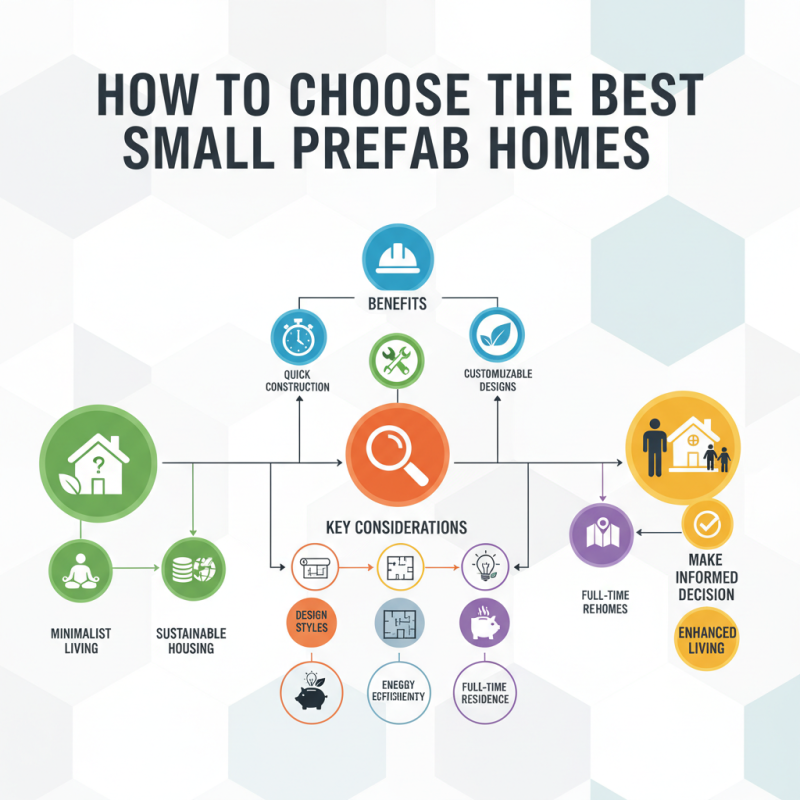
Choosing the right small prefab homes can be a transformative decision for those seeking an efficient and sustainable living solution. With the rise of minimalist living and the increasing demand for affordable housing, small prefab homes have emerged as a popular option. These homes offer numerous benefits, including quick construction times, customizable designs, and eco-friendly materials. However, selecting the best small prefab home to fit your unique lifestyle and needs can be challenging amidst the myriad of options available in the market.
In this guide, we will explore the key considerations to keep in mind when choosing small prefab homes. From understanding the various design styles and floor plans to evaluating the functional aspects such as energy efficiency and budget constraints, we aim to provide a comprehensive framework to help you navigate this exciting journey. Whether you're looking for a cozy retreat or a full-time residence, knowing how to assess your specific requirements will empower you to make a well-informed decision that enhances your living experience.
Understanding the Concept of Small Prefab Homes
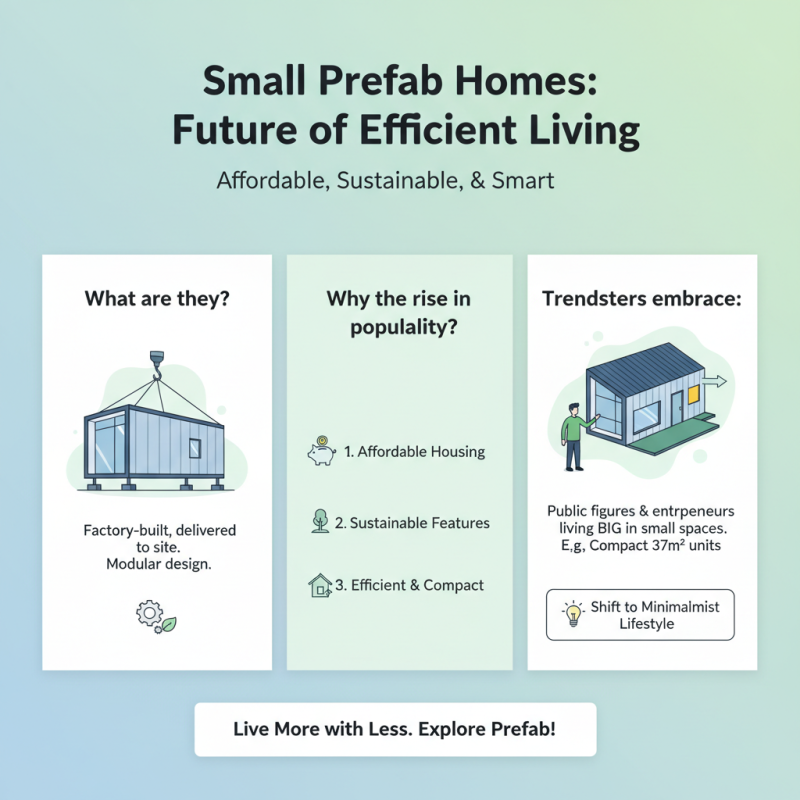
Understanding small prefab homes is becoming increasingly relevant as more individuals seek efficient, affordable living solutions. These homes, typically factory-built and delivered to site, have gained popularity due to their modular design and sustainability features. A recent trend highlights how public figures, like a well-known entrepreneur, have embraced such living spaces, even choosing a compact 37-square-meter unit as their primary residence. This shift in perception reflects a broader acceptance of minimalistic lifestyles centered on functionality rather than excess.
When selecting a small prefab home, it's essential to consider both your immediate needs and long-term sustainability. Reports indicate that the small prefab housing market is projected to grow exponentially, driven by rising housing prices and the need for quick, efficient construction solutions. A notable advantage is their cost-effectiveness—units can start from around $50,000, making them accessible for a broader audience.
**Tips:** Always check local zoning laws and building codes when choosing a site for your prefab home to avoid future complications. Additionally, opt for energy-efficient models to reduce long-term utility costs and environmental impact. Finally, consider future needs; modular designs allow for easy expansion, accommodating changing lifestyles without the stress of traditional construction.
Identifying Your Specific Needs and Preferences
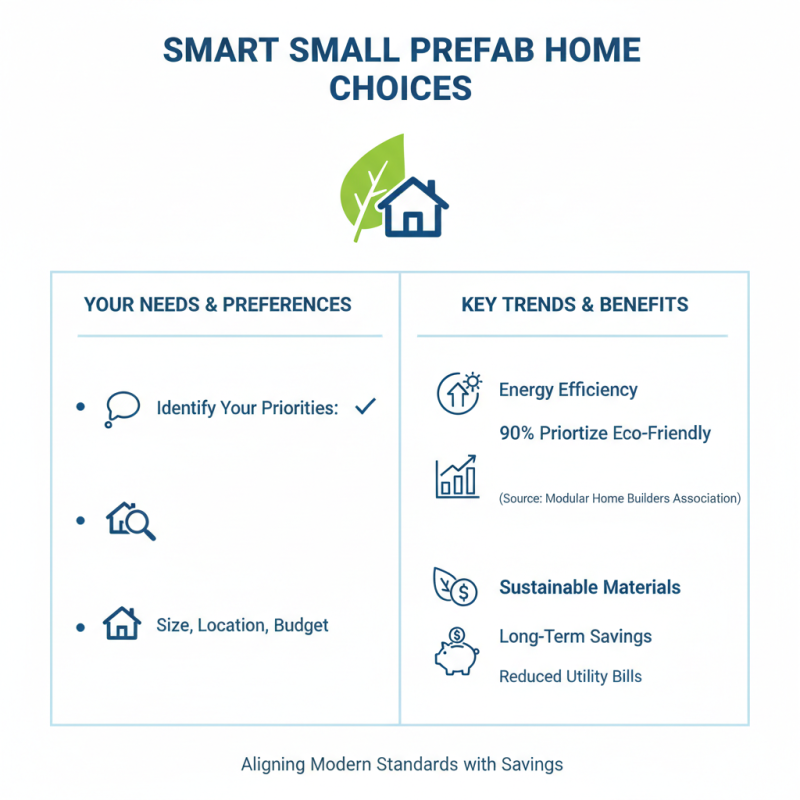
When selecting the best small prefab home, identifying your specific needs and preferences is crucial. According to a report by the Modular Home Builders Association, nearly 90% of potential homeowners prioritize energy efficiency and sustainable materials in their new builds. This insight suggests that considering eco-friendly options not only aligns with modern environmental standards but also provides long-term savings on utility bills.
In addition to sustainability, space utilization plays a significant role in choosing the right prefab home. The National Association of Home Builders indicates that the average size of newly constructed single-family homes has decreased to around 2,300 square feet, reflecting a growing trend toward smaller, more efficient living spaces. By assessing your lifestyle needs—be it for a home office, a guest room, or storage solutions—you can better select a prefab design that maximizes functionality without compromising your comfort. Tailoring your choice to fit your preferences ensures that your new residence will truly serve as a home.
Exploring Different Types of Small Prefab Homes Available
When exploring different types of small prefab homes, it’s essential to understand the various designs and materials available to find the best fit for your lifestyle. One common option is the modular home, which is built in sections in a factory and then assembled on-site. These homes can be customized to include multiple rooms and amenities, making them a versatile choice for families or those seeking extra space.
Another popular category is the tiny home, which emphasizes minimalist living. Typically under 400 square feet, tiny homes offer efficient use of space and often feature innovative storage solutions. They can be built on wheels for easy mobility or placed on a foundation for a more permanent setup. This type of prefab home appeals to individuals looking for an economical and environmentally friendly living option. Lastly, panelized homes, which involve the construction of panels that are later assembled at the site, provide a seamless merging of traditional and modern designs, allowing for creative architectural expressions that can cater to personal aesthetics.
How to Choose the Best Small Prefab Homes for Your Needs
| Home Type |
Size (sq ft) |
Number of Bedrooms |
Price Range ($) |
Ideal Use |
| Studio Prefab |
400 |
0 |
$20,000 - $30,000 |
Guest House |
| 1-Bedroom Cabin |
600 |
1 |
$30,000 - $50,000 |
Weekend Getaway |
| 2-Bedroom Cottage |
800 |
2 |
$50,000 - $70,000 |
Family Home |
| 3-Bedroom Modular |
1000 |
3 |
$70,000 - $100,000 |
Permanent Residence |
| Tiny House |
250 |
1 |
$10,000 - $25,000 |
Minimalist Living |
Evaluating Costs and Budget Considerations for Prefab Homes
When considering the purchase of a small prefab home, evaluating costs and budget considerations is crucial. First, potential buyers should compile a comprehensive budget that accounts for not only the base price of the prefab unit but also the additional expenses associated with land acquisition, site preparation, and utility connections. It's essential to recognize that while prefab homes often have lower initial costs compared to traditional homes, these ancillary expenses can significantly impact the total investment.
Additionally, financing options for prefab homes differ from conventional mortgages, and understanding these options is vital. Many lenders may offer specialized loans for prefab housing, which can involve unique terms and requirements. Buyers should explore various financing avenues, such as personal loans or builder financing, and consider the total cost of homeownership, including maintenance and insurance. By thoroughly evaluating the financial aspects and securing proper funding, homeowners can ensure that their investment aligns with their long-term financial goals.
Assessing Location, Zoning, and Land Requirements for Placement
When considering a small prefab home, the location plays a crucial role in ensuring it meets your needs. Proximity to essential amenities such as schools, healthcare, and public transport can significantly enhance your living experience. Additionally, assess the neighborhood's safety and community vibe to ensure it aligns with your lifestyle preferences. A picturesque setting might be appealing, but it should also be practical for daily activities.
Zoning regulations are another key factor in the placement of your prefab home. Each area may have different zoning laws that dictate what type of structures can be built, their sizes, and how they can be utilized. It’s essential to consult local authorities to confirm that the intended location permits prefab homes and to understand any restrictions or requirements. Furthermore, consider land requirements such as soil quality, drainage, and topography, as these aspects can impact the foundation and overall livability of your home. Proper evaluation of these elements will lead to a more satisfactory and legally compliant prefab home experience.
Assessment of Factors for Choosing Small Prefab Homes