Why Choose Clad Wood Windows for Your Home Improvement?
When considering home improvement, the choice of windows plays a vital role. Clad Wood Windows are a popular option among homeowners looking to balance aesthetics and durability. Renowned expert in window manufacturing, Sarah Thompson, states, “Clad Wood Windows not only enhance beauty but also offer unmatched performance.”
These windows feature a wooden core covered with a protective layer. This design combines the natural warmth of wood with the resilience of materials like fiberglass or aluminum. Homeowners are drawn to this blend, seeking stylish solutions that withstand the elements. The energy efficiency of Clad Wood Windows also appeals to those concerned about rising energy costs.
However, not all Clad Wood Windows are created equal. It’s crucial to evaluate the quality of materials and craftsmanship. A lower-end product might not provide the longevity one expects. Homeowners can sometimes overlook these details, leading to potential regrets down the line. Careful consideration of features can set one apart from just making a trendy purchase. Opting for Clad Wood Windows could indeed be a transformative decision for your home.
Benefits of Clad Wood Windows in Home Improvement Projects
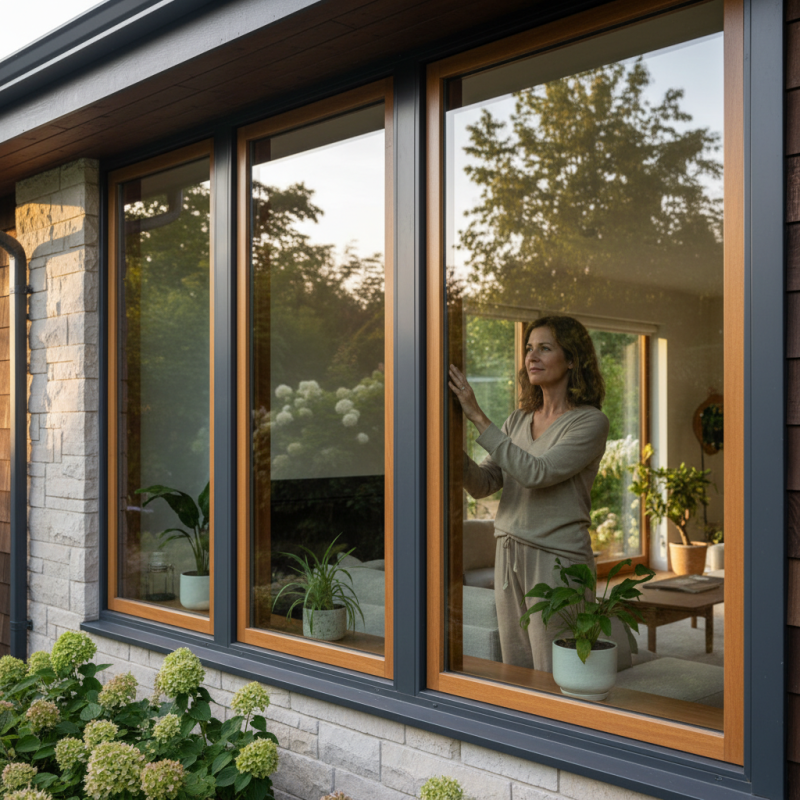
Clad wood windows offer a unique blend of beauty and durability for home improvement projects. These windows feature a wood interior that provides warmth and natural beauty. The exterior, typically made of aluminum or vinyl, offers enhanced protection against the elements. This combination allows homeowners to enjoy the best of both worlds.
One significant benefit is energy efficiency. The wood interior provides excellent insulation, helping reduce heating and cooling costs. Homeowners often notice a decrease in energy bills. However, while clad windows are designed to last, the initial investment can be higher than other window types. It's essential to weigh the long-term savings against upfront costs.
Another advantage is low maintenance. Unlike traditional wood windows, clad options resist rot and insect damage. They require less frequent painting or staining. Yet, regular cleaning is still necessary to maintain appearance and functionality. Ultimately, clad wood windows combine style and practicality, making them a solid choice for many homeowners.
Why Choose Clad Wood Windows for Your Home Improvement? - Benefits of Clad Wood Windows in Home Improvement Projects
| Benefits | Description | Durability |
| Energy Efficiency | Clad wood windows provide superior insulation, resulting in lower energy costs. | High |
| Aesthetic Appeal | They combine the warmth of wood on the inside with the durability of clad on the outside. | Medium |
| Low Maintenance | The exterior clad requires minimal upkeep, resisting mold, fading, and insects. | High |
| Versatility | Available in a variety of styles, colors, and finishes to match any home design. | Medium |
| Resale Value | Installing clad wood windows can increase the value of your home. | High |
Durability and Maintenance Considerations for Clad Wood Windows
Clad wood windows offer a unique blend of natural beauty and modern durability. The exterior is protected by a robust material that resists weathering. This means fewer worries about rot, warping, or fading compared to traditional wood windows. Many homeowners appreciate the aesthetic quality of wood on the inside while enjoying the low maintenance of the exterior cladding.
Maintenance is crucial for the longevity of clad wood windows. Regular inspections for seals and finishes can prevent moisture intrusion. Even with durable cladding, wood can swell or shrink over time. It's essential to keep an eye on the frame integrity. Consider performing routine checks every few months. This attention can save costly repairs down the road.
Moreover, the choice of cladding material impacts performance. Options like aluminum or vinyl are common. Each offers different levels of insulation and resistance to climate. Homeowners should weigh their local climate against the materials’ properties. It’s a balancing act that requires careful consideration to ensure both beauty and durability shine through.
Energy Efficiency and Insulation Properties of Clad Wood Windows
Clad wood windows offer significant energy efficiency and excellent insulation properties. The wood core provides natural insulation, keeping your home warm in winter and cool in summer. This dual-action feature helps reduce energy costs substantially. The exterior cladding protects the wood from harsh weather, preventing heat loss and moisture infiltration.
Moreover, the design of clad wood windows enhances thermal performance. Each window frame creates an airtight seal, minimizing drafts. They often feature insulated glass, further boosting efficiency. However, homeowners should carefully consider installation quality. Poor installation can compromise insulation, leading to higher energy bills.
Evaluating the long-term benefits is crucial. Despite the higher upfront cost compared to vinyl options, clad wood windows prove cost-effective over time. They often require less maintenance due to their durable exterior. Reflecting on these aspects can help homeowners make informed decisions about their window investments.
Design Flexibility and Aesthetic Appeal of Clad Wood Windows
Clad wood windows offer unique design flexibility that can enhance your home's aesthetic appeal. According to a 2022 report by the American Architectural Manufacturers Association, clad wood windows provide the warm, natural look of wood while being protected by durable exterior materials. This combination allows for a wide array of finishes and colors to match any home style.
Homeowners can choose from various species of wood, ensuring every detail aligns with their interior design goals. Popular choices include pine and oak, which provide a classic feel. Interestingly, wood windows can also accommodate intricate designs, such as divided lites or custom shapes, adding personality to any space.
Clad wood windows also deliver functional benefits. They can significantly improve energy efficiency. The American Council for an Energy-Efficient Economy states that properly installed windows can reduce overall energy costs by up to 30%. However, some homeowners may find maintenance challenging. Regular inspections are required to ensure both the wood and clad materials are in good condition. This attention to detail can be a rewarding, albeit time-consuming, task for some.
Cost Comparison Between Clad Wood Windows and Other Options
When considering home improvement, clad wood windows stand out due to their cost-effectiveness. A recent report by the National Association of Realtors indicates that replacing existing windows can provide an 80% ROI. This high return is particularly prevalent with clad wood windows, which combine the beauty of natural wood with protective exteriors, offering durability and energy efficiency.
In terms of cost, clad wood windows typically range from $400 to $800 per window. In contrast, vinyl windows may cost around $200 to $600. However, it's crucial to consider longevity. Clad wood windows often last 30 years or more, while vinyl might only reach 20 years. This lifespan difference highlights a need for thoughtful investment choices. Choosing the cheaper option could lead to higher long-term costs.
Additionally, maintenance plays a significant role in the overall expense. Clad wood windows require periodic repainting and care, compared to vinyl's low upkeep. This reality often leads to a cost comparison that favors clad wood over time, despite initial pricing. Many homeowners may overlook these factors when making decisions, underscoring the importance of comprehensive evaluations in home improvement planning.
Cost Comparison of Clad Wood Windows vs Other Options