Why Choose Fabricated Homes for Your Global Sourcing Needs?
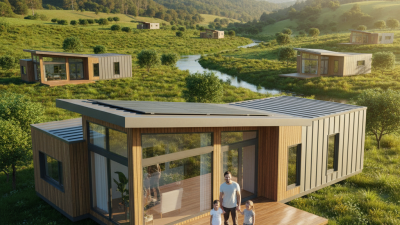
In the rapidly evolving construction industry, the rise of fabricated homes presents a unique solution for global sourcing challenges. Expert John Smith, a leading advocate for off-site construction, once stated, "Fabricated homes are not just a trend; they reshape how we think about efficiency and sustainability." This perspective emphasizes the transformative potential of fabricated homes in today's market.
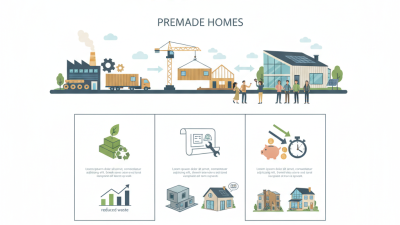
Consider the benefits these homes offer. They can be designed and produced in controlled environments, reducing waste and improving quality. With shorter construction timelines, these homes can be delivered and assembled quickly, addressing urgent housing needs. However, this trend also raises questions about quality consistency and local adaptation.
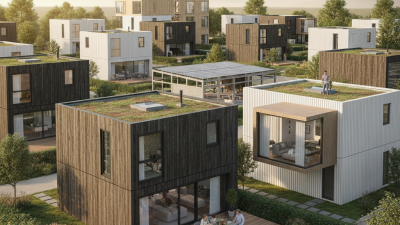
As the demand for affordable housing grows globally, choosing fabricated homes becomes increasingly relevant. Despite their advantages, it's crucial to recognize the importance of local regulations and cultural practices. By engaging with local stakeholders, the industry can ensure that fabricated homes truly meet the needs of diverse communities. Reflecting on these complexities can guide future developments in this innovative sector.
Advantages of Fabricated Homes in Global Sourcing
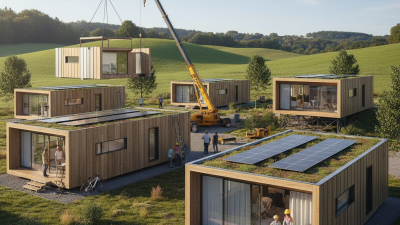
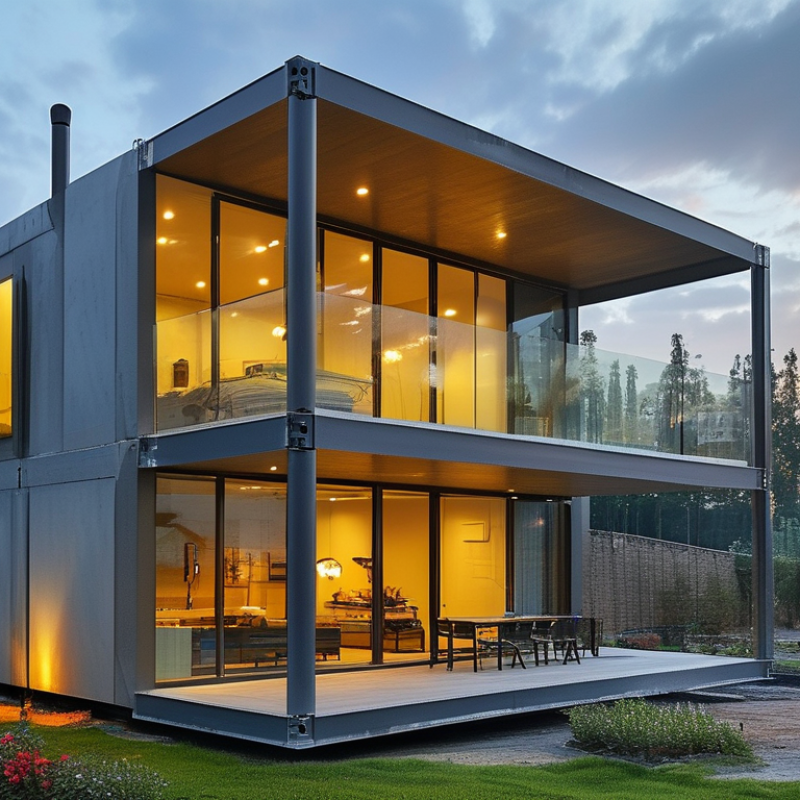
Fabricated homes are gaining traction in global sourcing due to their numerous advantages. According to the Global Modular Construction Market Report, the prefabricated housing market is expected to reach $112 billion by 2025, driven by increasing urbanization and the need for affordable housing solutions. These homes are constructed off-site, allowing for faster assembly and reduced labor costs. This efficiency directly contributes to lower overall project timelines, making them an attractive option for sourcing in diverse markets.
The environmental benefits of fabricated homes further enhance their appeal. A study by the National Renewable Energy Laboratory indicates that prefabricated buildings can reduce waste by up to 90% compared to traditional methods. This advantage not only minimizes the ecological footprint but also aligns with the growing demand for sustainable construction practices. Fabrics used in these homes often feature energy-efficient designs, leading to reduced utility costs over time. However, potential buyers should consider the varying quality standards across regions, which might affect structural integrity.
Another compelling point is the customization capabilities of fabricated homes. With advanced technology, manufacturers can tailor designs quickly to meet client specifications. This flexibility can be crucial for businesses looking to establish properties in new markets. Still, there may be challenges regarding local building codes and regulations that can complicate the process. Clients must navigate these potential pitfalls while leveraging the growing trend of fabricated homes in an ever-evolving sourcing landscape.
Cost-Effectiveness of Fabricated Homes Compared to Traditional Construction
Fabricated homes are emerging as a cost-effective alternative to traditional construction methods. These homes are often built in controlled environments, which can reduce waste and overall material costs. By utilizing advanced technology, companies can streamline the production process, leading to lower labor expenses. This efficiency often translates into significant savings for consumers and developers alike.
Many people underestimate the long-term value of fabricated homes. They typically require less maintenance due to high-quality materials and precision engineering. Additionally, these homes can be constructed in a fraction of the time. Such speed not only saves money but also allows for quicker occupancy. However, some might worry about the aesthetics or uniqueness of these homes. It is crucial to recognize that today’s fabricated homes offer numerous design options. People can customize their living spaces, making them truly their own.
Despite advantages, there are challenges. Consumer education is vital. Many are still unfamiliar with the benefits or durability of these homes. Addressing these misconceptions becomes essential. It’s important for potential buyers to evaluate their options thoroughly. Understanding the market helps ensure informed decisions. As fabricated homes continue to gain traction, their cost-effectiveness stands out as a compelling reason to consider them.
Why Choose Fabricated Homes for Your Global Sourcing Needs? - Cost-Effectiveness of Fabricated Homes Compared to Traditional Construction
| Feature |
Fabricated Homes |
Traditional Construction |
| Construction Time |
3-6 months |
6-12 months |
| Cost per Square Foot |
$100 - $150 |
$200 - $300 |
| Waste Production |
Low |
High |
| Energy Efficiency |
High |
Moderate |
| Customization Options |
Moderate |
High |
| Regulatory Approval Time |
Shorter |
Longer |
Sustainability and Environmental Benefits of Fabricated Homes
Fabricated homes are increasingly recognized for their sustainability and environmental benefits. According to the U.S. Department of Energy, fabricated homes can achieve energy savings of up to 30% compared to traditional building methods. This is largely due to their efficient design and the use of eco-friendly materials. These homes often incorporate advanced insulation and energy-efficient windows, reducing the need for heating and cooling.
The reduction of construction waste is another significant benefit. A report from the National Association of Home Builders indicates that prefabricated construction generates 90% less waste compared to on-site building. This not only lessens the environmental impact but also lowers costs for manufacturers. However, there are challenges. The sourcing of materials must be careful to ensure they are sustainably harvested, as this can affect the overall environmental footprint of the project.
Moreover, the potential for a smaller carbon footprint is substantial. Prefabricated homes can be built in a controlled factory setting, minimizing the environmental disruptions common in traditional construction sites. Yet, the reliance on transportation to deliver these homes raises questions about greenhouse gas emissions. Balancing these factors is crucial for maximizing sustainability in the future of fabricated homes.
Sustainability and Environmental Benefits of Fabricated Homes
Customization Options in Fabricated Home Designs for Diverse Markets
Fabricated homes are gaining traction in global markets due to their unique customization options. These homes can be tailored to suit various climates, cultures, and consumer preferences. Data from the Modular Building Institute indicates that modular and fabricated home construction has grown by more than 10% annually. This growth highlights the demand for homes that can adapt to specific local needs.
Customization plays a crucial role. For example, a survey by the National Association of Home Builders showed that 70% of homebuyers prefer homes with personalized features. This trend underscores the desire for individuality in home design, ranging from eco-friendly materials to specific architectural styles. By offering various design choices, fabricated homes cater to diverse markets, ensuring relevance and appeal.
Tips: When considering a fabricated home, focus on your local environment. Understand climatic challenges and select designs that minimize energy use. Think about future needs as well. A flexible design can save costs later. Regularly consult with professionals to ensure your choices align with local regulations and guidelines. Customization is not just about aesthetic appeal; it’s about real functionality. Embracing this can lead to more efficient living spaces.
Logistical Efficiency in Sourcing Fabricated Homes Globally
When sourcing fabricated homes globally, logistical efficiency plays a crucial role. By utilizing innovative logistics solutions, companies can streamline their sourcing processes. This can lead to reduced lead times and lower transportation costs. For instance, modular homes are designed for easy assembly, allowing for quicker on-site installation. With the right planning, sourcing these homes can be a smooth and cost-effective experience.
Tips: Consider pre-fabrication options. This can significantly cut down on waste and time. Explore local suppliers who can provide parts, which can enhance speed and efficiency.
Effective communication is also vital. Engaging with experienced logistics partners can ensure that all components arrive on time. Miscommunication can lead to delays. Trustworthy logistics providers help mitigate these risks. They can provide valuable insights into potential challenges and solutions.
It's important to remain adaptable. Supply chain disruptions are possible, making flexibility essential. Regularly evaluating sourcing practices can identify areas for improvement. This proactive approach can enhance overall efficiency in the long run.