How to Choose the Right Self Tapping Screws for Your Project?
Choosing the right Self Tapping Screws for your project can be crucial. These screws play an important role in ensuring the durability and efficiency of construction. Many factors influence your selection, including material, size, and design.
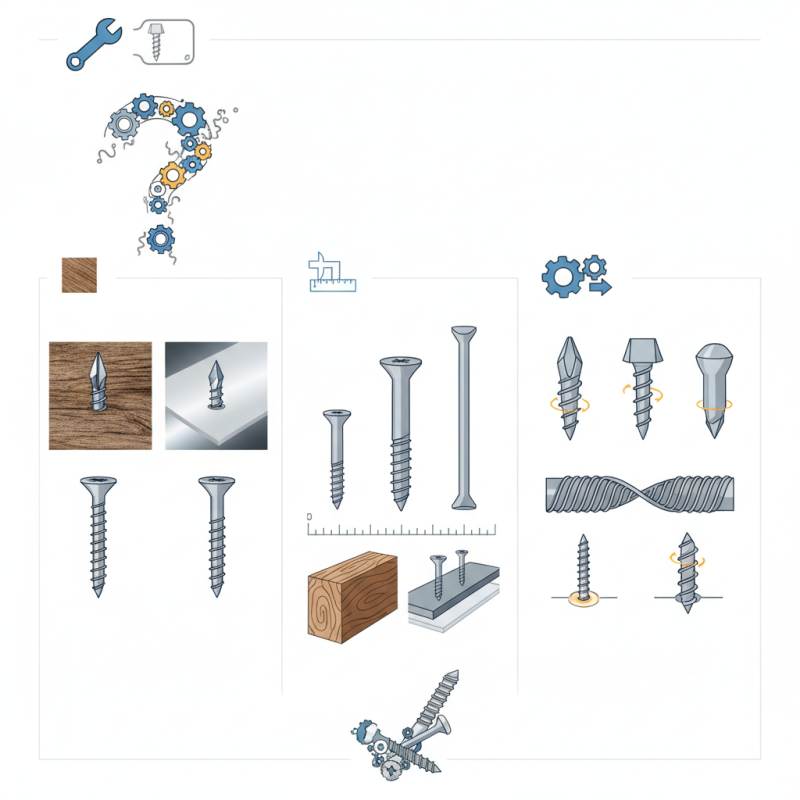
Self tapping screws are designed to create their own holes. This feature provides convenience, often saving time and effort. However, not all self tapping screws are created equal. A wrong choice may lead to project delays or structural weaknesses. Understanding the different types available can be a game changer.
Consider your project’s specific needs. Factors like screw length, thread design, and tip shape matter. Knowing the right specifications can enhance the integrity of your work. Remember, quality screws lead to better results. It’s essential to invest time in research before making any purchases.
Understanding Self Tapping Screws: Types and Applications
Self-tapping screws are essential in many projects. Understanding their types and applications is crucial. The most common types include thread-cutting and thread-forming screws. Thread-cutting screws are designed to create a hole in the material. They are ideal for softer materials like wood or plastic.
On the other hand, thread-forming screws work by deforming the material. They are best suited for metal applications. Each type has its unique features and recommended uses. For instance, if your project requires durability, consider using screws that can handle metal. Using the wrong type can lead to issues like stripped holes or insufficient hold.
In practice, every project might pose unique challenges. One may overlook factors such as screw length or diameter. It's essential to choose the right size for optimal performance. Also, experimenting with different types may reveal better results. Reflecting on past projects can help refine your choices.
Self Tapping Screws: Types and Applications
Factors to Consider When Choosing Self Tapping Screws
When selecting self-tapping screws, several critical factors come into play. First, consider the material you will be working with. Different materials, such as wood, metal, or plastic, require screws with varying designs and coatings. According to industry reports, using the wrong screw can lead to fatigue failure, compromising the project's integrity.
Another vital factor is the screw size and thread type. Selecting the appropriate diameter and length is essential for achieving maximum holding power. Fine threads are suitable for softer materials, while coarse threads work best in harder materials. The Mechanical Engineering Journal reported that approximately 30% of failures occur due to improper screw selection. To mitigate this, you must assess the load requirements and environmental conditions.
Finally, pay attention to the installation method and tools needed. Pre-drilling holes may be necessary for certain applications. Not all self-tapping screws are designed for every type of screw gun. Some may require specific torque settings for effective performance. Neglecting these details can lead to stripped threads or broken screws. Always test a few samples before proceeding with the entire project.
Materials and Coatings for Durability and Corrosion Resistance
When selecting self-tapping screws, material choice is crucial. Different materials impact durability and resistance to corrosion. Steel screws, while strong, are prone to rust. Using stainless steel significantly enhances their longevity. The alloy's composition offers resistance to various environmental conditions. This is important for outdoor projects.
The coating of screws also plays a vital role. Zinc plating is common for added protection. It creates a barrier against moisture and reduces rust formation. However, it may wear off over time. On the other hand, nylon coatings provide a different protection level. These coatings resist various chemicals, making them suitable for specific applications.
Consider your project's environment. If the screws will face moisture or chemicals, invest in higher-quality materials. Reflect on the long-term impacts of your choices. A lower-cost option might not stand the test of time. Weigh aesthetics, performance, and durability carefully. Each decision carries weight, influencing overall success.
Sizing Guidelines: Length, Diameter, and Thread Pitch
When selecting self-tapping screws, sizing is crucial. The right length ensures a secure fit. For wood, a length of at least 1.5 times the thickness is often effective. If it's too short, it may not hold; if too long, it risks splitting.
Diameter impacts strength. A thicker screw can handle more weight but might require pre-drilling in some materials. Common diameters range from #6 to #10, but the choice depends on your project. The thread pitch also matters. Fine threads grip better in softer materials, while coarse threads excel in harder surfaces.
Consider the project's unique needs. Some applications might require innovative approaches. Evaluate your materials and test different screws if necessary. Reflection on your experiences can lead to better choices in future projects. Each project is an opportunity for learning and growth.
Common Mistakes to Avoid When Selecting Self Tapping Screws
When choosing self-tapping screws, many overlook critical aspects that can lead to problems. One common mistake is selecting the wrong thread type. Coarse threads are ideal for softer materials, while fine threads work better in harder surfaces. Failing to consider this can result in stripping or insufficient fastening.
Another mistake is ignoring the appropriate screw length. Screws that are too short will not hold well, while those that are too long can damage underlying materials. Measure carefully to ensure a secure fit.
**Tips:** Always test different screws before making a large purchase. Have a variety on hand to compare performance. Research materials to match the screw specs, ensuring compatibility. Pay attention to the quality of the screws; inferior ones may fail under stress. Choose wisely. Your project depends on it.
How to Choose the Right Self Tapping Screws for Your Project? - Common Mistakes to Avoid When Selecting Self Tapping Screws
| Screw Type | Material | Coating | Diameter (mm) | Length (mm) | Common Uses |
| Pan Head | Steel | Zinc Plated | 3.5 | 20 | Wood & Plastic |
| Flat Head | Stainless Steel | Passivated | 4.0 | 30 | Metal Sheet |
| Hex Head | Carbon Steel | Black Oxide | 5.0 | 50 | Heavy Duty Applications |
| Truss Head | Aluminum | Clear Anodized | 3.0 | 15 | Roofing & Paneling |