How to Choose the Best Modular Home Kits for Your Dream Home
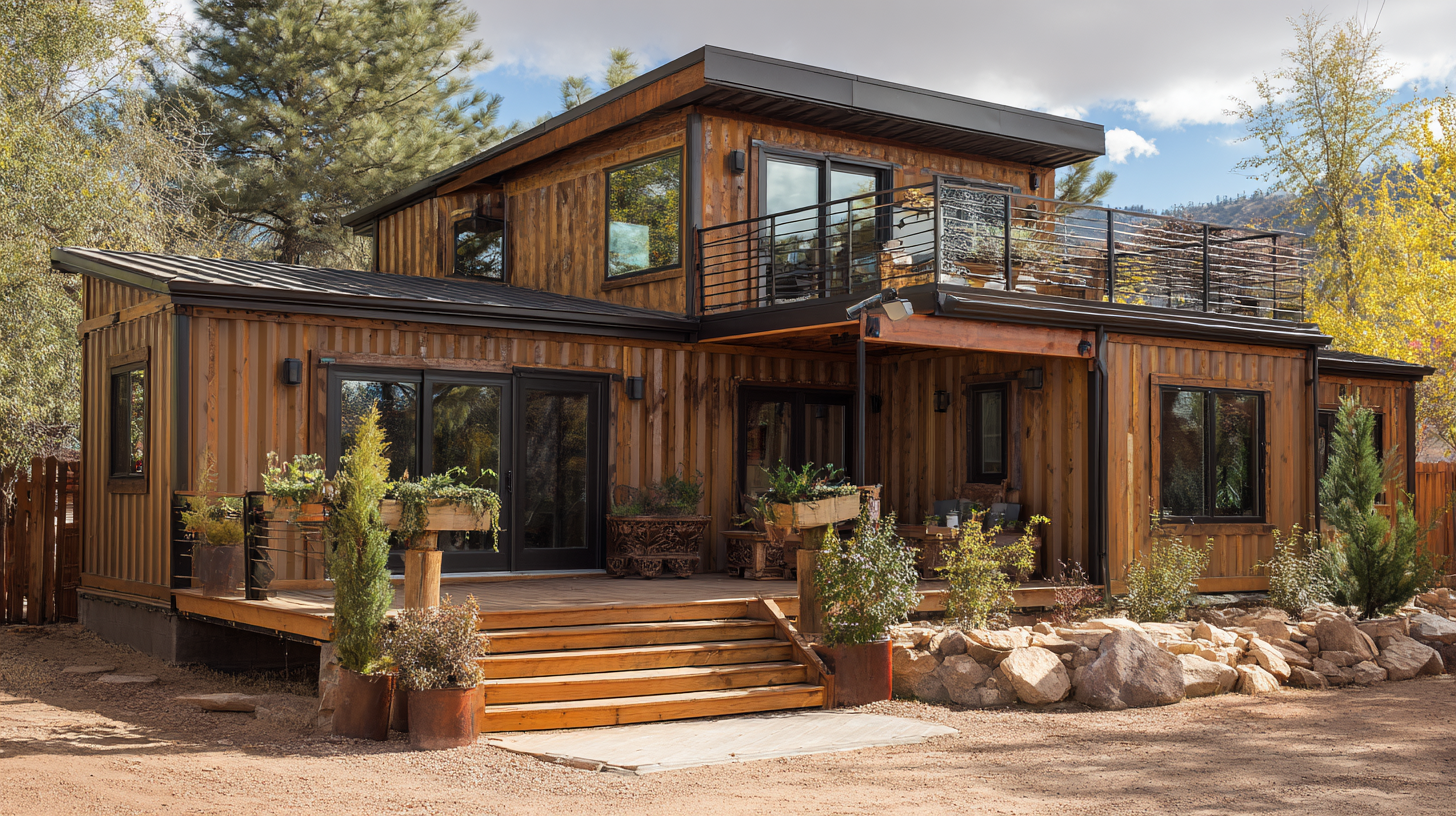 In recent years, the popularity of modular home kits has surged, reflecting a significant shift in home-building preferences. According to a report by the Modular Building Institute, the modular construction industry has grown at an annual rate of 5% over the past decade, driven by the increasing demand for efficient, affordable, and sustainable housing solutions. Modular home kits offer an innovative approach that combines quality construction with the convenience of prefabrication, making them an appealing option for prospective homeowners.
Choosing the best modular home kits is crucial for ensuring that your dream home meets your lifestyle and budget needs. The industry offers a vast array of designs, materials, and sizes, allowing buyers to tailor their home to their specific preferences. However, navigating this diverse landscape can be daunting without the right information. A solid understanding of the features that distinguish premium modular options—such as energy efficiency, customization capabilities, and construction timelines—can help buyers make informed decisions. As the market continues to evolve, an informed choice can lead to a beautiful, functional, and sustainable living space that enhances the quality of life for its inhabitants.
How Modular Home Kits Offer Cost-Effective Building Solutions in 2025
Modular home kits have become a revolutionary choice for those seeking cost-effective building solutions. With innovations in technology, these kits allow homeowners to assemble their dream homes quickly while keeping expenses low. In 2025, the modular construction industry is gaining momentum as a viable alternative to traditional stick-built homes. Companies are consistently introducing affordable designs and efficient assembly methods that cater to modern needs, including energy efficiency and sustainability.
When selecting a modular home kit, consider these tips: First, assess the size and layout to ensure it fits your lifestyle. Look for customizable options that align with your vision of a dream home. Additionally, research reputable suppliers that offer comprehensive instructions and customer support. Lastly, evaluate the materials used in the kit; sustainable options can lead to long-term savings on energy bills and maintenance.
The rising popularity of modular homes signals a shift in the housing market towards more accessible living solutions. As traditional building costs continue to escalate, more individuals are turning to modular kits as a practical way to achieve homeownership without breaking the bank. This trend is further supported by the construction of tiny homes and the increasing availability of easy-to-assemble building solutions, marking a significant change in how we approach home building.
Cost-Effective Building Solutions: Modular Home Kits in 2025
Key Features to Look for in Modular Home Kits: Material Quality and Sustainability
When selecting the best modular home kits for your dream home, prioritizing material quality and sustainability is essential. High-quality materials not only enhance the durability and longevity of your home but also contribute to better energy efficiency. Look for kits that use sustainable building materials such as bamboo, recycled steel, or certified wood. These options not only minimize environmental impact but also often provide better insulation, reducing heating and cooling costs over time.
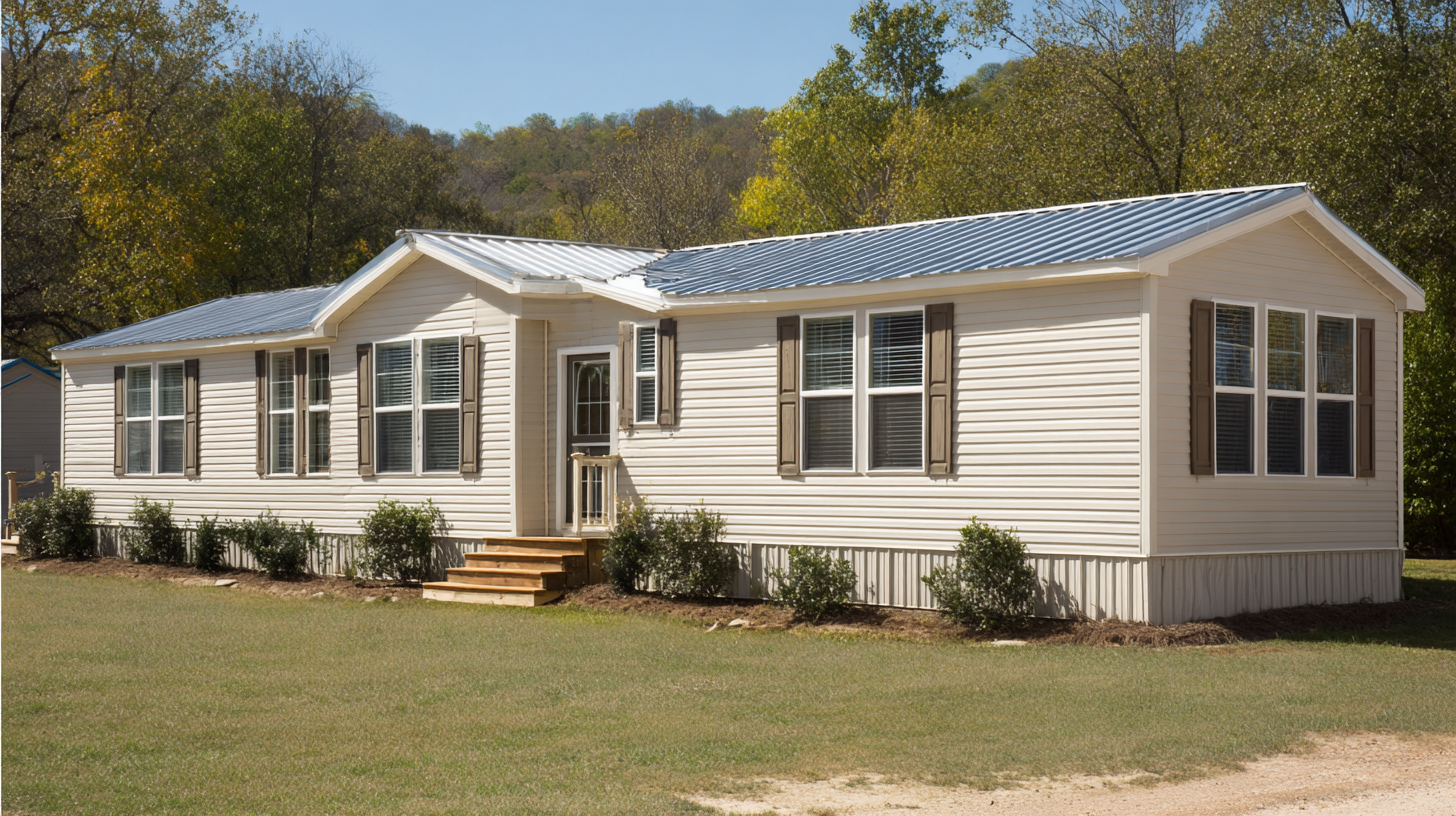
Sustainability extends beyond just materials; it also encompasses the manufacturing process. Choose manufacturers who practice environmentally responsible production methods. This includes minimizing waste and utilizing renewable energy sources in their factories. Additionally, focusing on energy-efficient designs can further enhance the sustainability of your modular home. Features such as passive solar design, proper insulation, and energy-efficient appliances can lead to a greener home that is both comfortable and cost-effective in the long run. By prioritizing these aspects, you can ensure that your modular home is not only a dream come true but also a responsible investment in the future.
Assessing Design Flexibility: Customization Options in Top Modular Home Kits
When selecting a modular home kit, one of the most significant factors to consider is design flexibility and customization options. A recent report by the Modular Building Institute highlights that nearly 80% of homeowners opting for modular homes prioritize customizable features to reflect their personal style and functional requirements. This growing demand for personalized living spaces underscores the importance of understanding the available design options within top modular home kits.
The best modular home kits offer a variety of customization avenues, from floor plans to exterior finishes. According to a survey by the National Association of Home Builders, customizing features such as layouts, window placements, and materials can increase homeowners' satisfaction by up to 70%. Top manufacturers now provide online tools that allow clients to visualize and modify their designs interactively, making it easier to create a dream home that meets specific needs without sacrificing quality or efficiency. By effectively assessing these customization options, potential buyers can ensure they invest in a modular home that truly feels like their own.
How to Choose the Best Modular Home Kits for Your Dream Home - Assessing Design Flexibility: Customization Options in Top Modular Home Kits
| Feature |
Option 1 |
Option 2 |
Option 3 |
| Square Footage |
800 |
1200 |
1500 |
| Number of Bedrooms |
1 |
2 |
3 |
| Customization Level |
Basic |
Moderate |
High |
| Energy Efficiency Rating |
B |
A |
A+ |
| Lead Time (Weeks) |
12 |
16 |
20 |
Understanding Financing Options: Budgeting for Your Modular Home in 2025
When planning to invest in a modular home, understanding financing options is crucial for effective budgeting, especially in 2025. Lenders offer a variety of loans tailored to modular home purchases, including traditional mortgages, USDA loans, and FHA loans. Each option has its own eligibility criteria, interest rates, and down payment requirements. It is essential to compare these options carefully to determine which aligns best with your financial situation and long-term goals.
In addition to loan types, prospective homebuyers should also consider costs associated with land, permits, and installation. While modular homes can offer cost savings compared to traditional builds, hidden expenses can arise if thorough budgeting is not conducted. Creating a comprehensive financial plan that includes not only the purchase price but also ongoing costs like property taxes and insurance will ensure that your dream home is a sound financial investment. With the right financing strategy in place, you can turn your vision of a modular home into reality without compromising your budget.
Analyzing Shipping and Assembly Logistics for Modular Homes: What to Expect
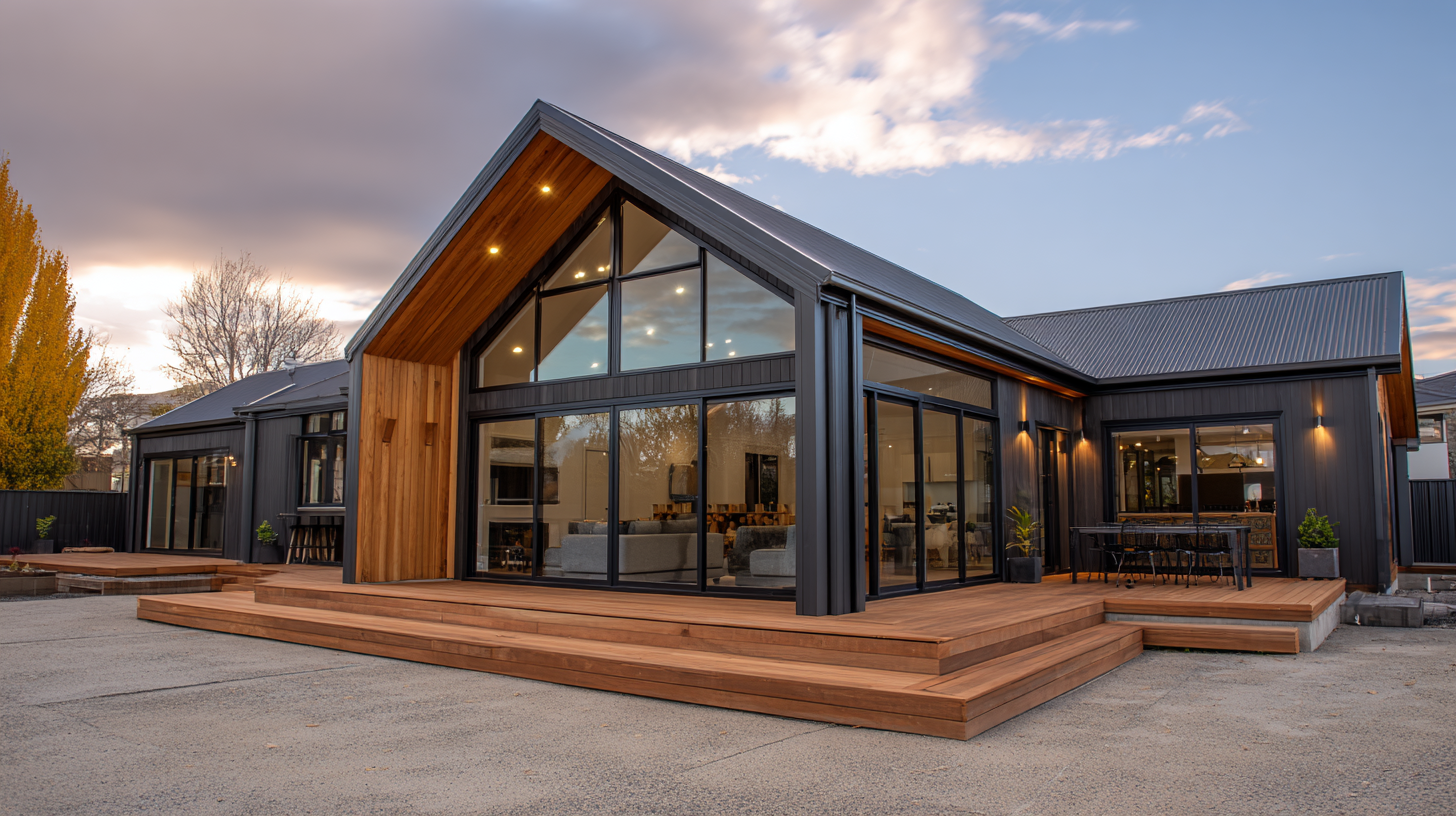
When considering modular home kits for your dream home, it's essential to analyze shipping and assembly logistics, as they significantly affect both the timeline and cost. A recent study on modular housing projects in various Canadian locations like Bella Bella and Abbotsford highlighted the efficiency of transportation and on-site assembly. With modular homes, components are prefabricated and shipped, often resulting in quicker setup times compared to traditional builds. For instance, emerging factories in places like Arviat are set to streamline this process, allowing for rapid manufacturing and assembly, with operations expected to kick off as early as April 2024.
Furthermore, the affordability of modular homes has become increasingly appealing. Recent reports indicate that low-cost options are appearing in online marketplaces, showcasing how accessible these homes have become. With prices for some flat-pack cabins starting at around $52,000 and shipping to buyers in the U.S., consumers can now capitalize on the simplicity and cost-effectiveness of modular housing. As Canada explores scaling its low-carbon timber value chain, the logistics surrounding these homes continue to evolve, promising not only affordability but also a focus on sustainable practices in home construction.