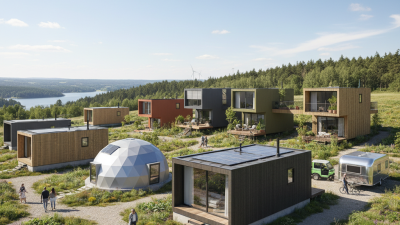
How to Choose the Best Prebuilt Homes for Your Needs?
Choosing the right prebuilt homes can be a daunting task. With many options available, it’s vital to understand your specific needs. Every individual or family has unique preferences and requirements that must guide their selection process.
Prebuilt homes offer convenience and speedy construction, but they are not all the same. Some may lack energy efficiency or quality materials. It's essential to research builders and their reputations. Are the homes customizable to suit your lifestyle? Consider the layout, square footage, and overall design. Visit show homes if possible to get a feel for the space.
In today's market, prebuilt homes come in various styles and prices. Balancing cost with quality can pose a challenge. Reflect on your long-term goals. Will this home serve your family for years to come? Think critically about what you truly need versus what is merely desirable. Making informed decisions ensures you select a prebuilt home that meets your needs efficiently and effectively.
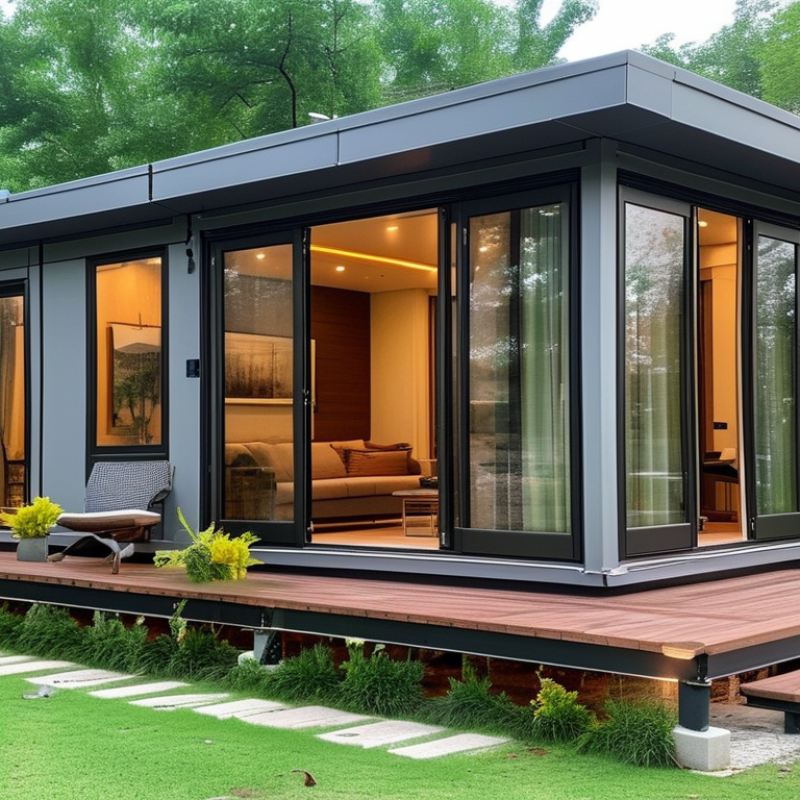
Factors to Consider When Choosing Prebuilt Homes: Size and Layout
When choosing prebuilt homes, size and layout are critical factors. Think about your lifestyle. Do you need a spacious living area or cozy bedrooms? A larger family may benefit from multiple bedrooms. Singles or couples might prefer an open layout. Consider how each room functions for your daily activities.
Tips: Think about future needs. Will your family grow? If so, choose a layout that allows for easy modifications. Open spaces can feel more inviting. They also allow for creative furnishings and layouts. However, they might lack privacy.
Examine room dimensions. Are they suitable for your furniture? Measure before committing. A snug room can affect your comfort. You might want a home office, a guest room, or space for hobbies. Make sure the layout supports your requirements.
Prebuilt homes can offer a variety of configurations. Choose wisely to ensure long-term satisfaction.
Understanding Different Types of Prebuilt Homes: Modular vs. Manufactured
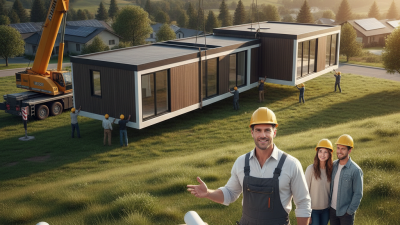
When considering prebuilt homes, it's essential to understand the two primary types: modular and manufactured. Modular homes are built in sections in a factory, then transported and assembled on-site. According to the U.S. Census Bureau, modular homes can often be completed faster than traditional builds, typically in about 4 to 6 months. This speed can be a significant advantage for buyers eager to settle in.
On the other hand, manufactured homes are entirely built in factories. They come fully assembled and are placed on a permanent foundation or frame. The National Association of Home Builders notes that manufactured homes have lower costs, making them accessible to a broader audience. However, while they are affordable, potential buyers should consider zoning laws and land use restrictions in their area, which may limit their placement.
Tips: Research local builders for modular options. Visit manufactured home communities to see layouts. Understand financing differences; manufactured homes may have unique requirements. Reflect on your long-term needs. Some buyers underestimate future space requirements when selecting sizes and layouts.
Evaluating the Cost of Prebuilt Homes: Price Range and Financing Options
When considering prebuilt homes, understanding the cost is crucial. The price range for these homes can vary significantly. A report from the National Association of Home Builders indicates that prebuilt homes typically fall between $150,000 and $400,000. This range reflects the diversity in materials, size, and customization options available. It’s vital to assess your budget and what you truly need in a home.
Financing options are another complex aspect. Many buyers may qualify for traditional mortgages or specialized loans. Data from the Federal Housing Finance Agency shows that buyers can secure loans with as little as 3% down for prebuilt homes. However, it's important to note that interest rates may fluctuate based on market conditions. Additionally, not every lender understands the nuances of prebuilt homes, which can complicate the financing process.
Homeowners often face challenges such as unexpected costs during construction. Reports suggest that approximately 15% of homeowners experience budget overruns. This can stem from design changes or site preparation issues. Thus, it's wise to build a small buffer into your budget. Remember, understanding these financial aspects thoroughly can lead to a more informed buying decision.
Energy Efficiency in Prebuilt Homes: Benefits and Industry Standards
Energy efficiency is a critical consideration when choosing a prebuilt home. Efficient homes reduce energy consumption, leading to lower utility bills. They also contribute positively to the environment. Many prebuilt homes today incorporate advanced insulation materials. These materials help keep your home warm in winter and cool in summer.
When selecting a prebuilt home, look for industry standards. LEED (Leadership in Energy and Environmental Design) certification can indicate a home's efficiency. Homes with this certification often feature energy-saving appliances and water-efficient fixtures. These elements are not just trendy; they’re essential for sustainable living. Look out for energy ratings on windows and HVAC systems too.
Tips for achieving energy efficiency: Choose properly sized heating and cooling systems. Oversized units can lead to wasted energy. Consider solar panels as an addition. They can significantly cut down on electricity costs. Always assess the insulation quality; it's your first line of defense against energy loss. While many options exist, don’t rush the decision. A thoughtful approach can yield long-term benefits.
How to Choose the Best Prebuilt Homes for Your Needs? - Energy Efficiency in Prebuilt Homes: Benefits and Industry Standards
| Home Type |
Energy Efficiency Rating |
Insulation Type |
Renewable Energy Options |
Average Cost ($) |
| Modular Home |
Energy Star |
Spray Foam |
Solar Panels |
150,000 |
| Tiny House |
LEED Certified |
Fiberglass |
Wind Turbine |
50,000 |
| Container Home |
Net Zero |
Mineral Wool |
Geothermal Heating |
70,000 |
| Prefabricated Bungalow |
HERS Score 50 |
Cellulose |
Solar Water Heating |
120,000 |
| Chalet Style Home |
Energy Plus |
Rigid Foam |
Hydroponic Green Roof |
200,000 |
Assessing Location and Community Amenities for Prebuilt Home Purchases
Choosing the right prebuilt home goes beyond the structure itself. Assessing the location is essential. Think about local schools, hospitals, and shops. A vibrant community can enhance your living experience. Proximity to parks or recreational areas matters, too.
Community amenities significantly impact daily life. Visit potential neighborhoods to gauge their atmosphere. Are the streets clean? Is there a sense of community? Check out social clubs or local events that can bring residents together. Each detail can shape your overall satisfaction.
It’s wise to research local property values and future developments. Rapid changes can affect your home’s value over time. Understand the transportation options available. Public transit can be a game-changer for daily commutes. Balancing these elements requires reflection and careful consideration.