How to Choose the Best Prefab Homes for Your Needs?
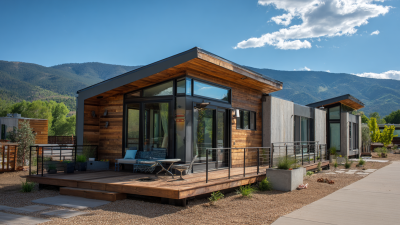
Choosing the right prefab homes is a significant decision. Prefab homes offer flexibility and affordability. They are built off-site, reducing construction time. However, not all prefab homes are the same. Each option has unique features and designs.
When selecting a prefab home, consider your lifestyle needs. Think about the size, layout, and materials. A compact design may suit young professionals. Families might prefer larger models with multiple bedrooms. Understanding the purpose of your home is essential.
Consulting with experts can provide valuable insights. They can guide you on local regulations and available options. Researching different manufacturers is equally important. Look for reviews and testimonials to gauge reliability. Take your time to reflect on these factors. Making an impulsive choice may lead to dissatisfaction. By carefully considering your needs and available options, you can find the perfect prefab home.
Understanding Prefab Homes: Types and Advantages
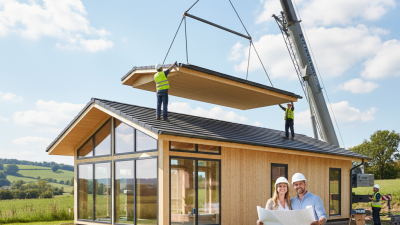
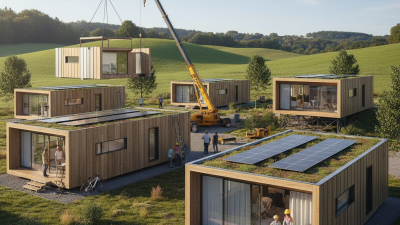
Prefab homes have gained popularity due to their unique features and benefits. These homes come in several types, including modular, manufactured, and panelized options. Modular homes are built in sections and assembled on-site, offering high customization. Manufactured homes are fully constructed in factories and transported to their final locations. Panelized homes involve pre-cut panels that come together easily, minimizing on-site construction time.
Choosing the right type depends on your lifestyle and budget. Modular homes may appeal to those looking for design flexibility. Manufactured homes might suit buyers seeking affordability. Panelized options work for those wanting faster construction. However, it’s essential to consider potential downsides. Some prefab homes may face zoning restrictions. Additionally, transportation costs can add up.
Understanding the advantages of prefab homes is crucial. They offer energy efficiency, faster build times, and reduced waste. However, not all may meet your needs in terms of space or design. It's vital to assess your requirements closely. Considering future needs and growth can save time and money later. Reflecting on these factors ensures a more informed decision.
Assessing Your Needs: Space, Layout, and Functionality
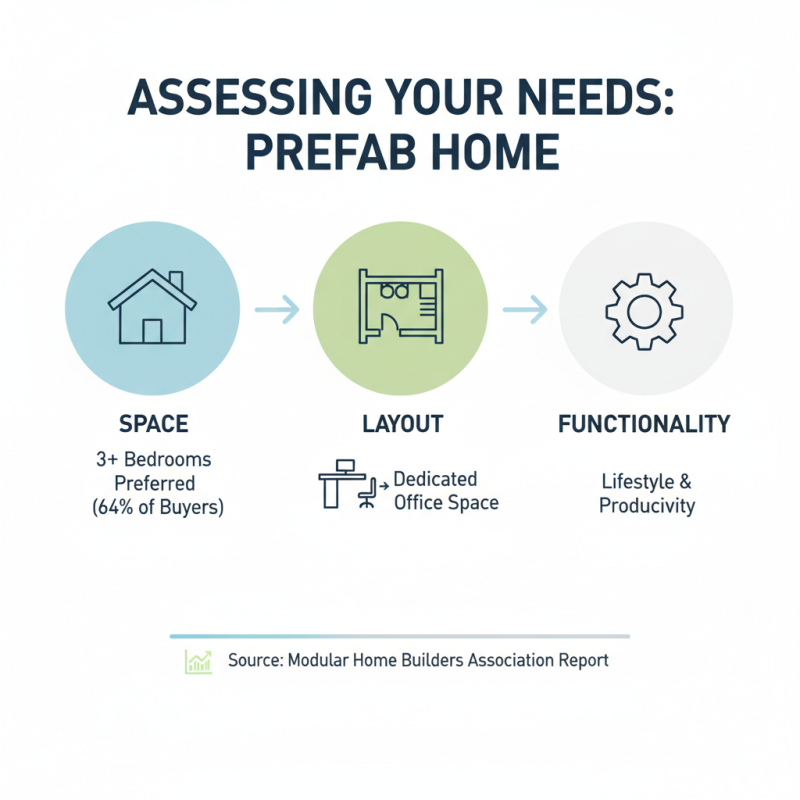
When assessing your needs for a prefab home, space is crucial. Consider how many rooms you require. A recent industry report from the Modular Home Builders Association shows that 64% of buyers prefer at least three bedrooms. Think about your lifestyle. Are you working from home? If so, a dedicated office space can enhance productivity.
Layout also matters significantly. An open floor plan may suit families who enjoy togetherness. In contrast, separate rooms could benefit those who value privacy. According to a survey by the National Association of Home Builders, 72% of respondents desire a seamless connection between living areas for better functionality.
Functionality goes beyond aesthetics. Think about storage needs. Many prefab homes offer clever design features to maximize space. However, it's essential to reflect on how these spaces will be used daily. For example, a stylish kitchen isn't only about looks. It should accommodate cooking, dining, and entertaining. Unaddressed needs can lead to dissatisfaction later on.
Budget Considerations: Cost Breakdown and Financing Options
When considering a prefab home, budget is a crucial factor. According to the Modular Building Institute, the average cost of a prefab home can range from $100 to $200 per square foot. This cost includes materials, labor, and delivery. In addition to base pricing, buyers should evaluate additional expenses. Site preparation, utilities, and permits can add thousands to the overall budget.
Financing options for prefab homes vary widely. Some traditional lenders may not view them as permanent structures. A recent report from the National Association of Home Builders revealed that nearly 25% of prospective buyers seek alternative financing methods. These include personal loans or specialty lenders who focus on prefab homes. Understanding these choices allows potential homeowners to estimate their financial needs more accurately.
It's essential to remember that not all prefab homes are built equally. Quality can differ significantly among manufacturers. Prospective buyers should conduct thorough research to ensure they select a reliable company. Inspecting materials and construction methods is crucial. A visit to a completed site can provide insights into craftsmanship. With the right approach, choosing a prefab home can align well with your budget and lifestyle needs.
Cost Breakdown of Prefab Homes
Location and Land: Finding the Right Site for Your Prefab Home
When choosing a site for your prefab home, location is key.
Assessing the land's suitability can make or break your experience. Ideal sites are flat and accessible, offering ease of construction. Nearby amenities like grocery stores and schools influence daily life. A serene environment can enhance your well-being. However, remote locations might feel isolated.
Consider local climate conditions as well. This impacts your home’s energy efficiency and comfort. Areas with high rainfall require solid drainage systems. Those in snowy regions need roofs designed for heavy snowfall. Research local zoning laws to avoid future complications. Each site presents its challenges, urging careful planning.
Lastly, think about community and lifestyle. Is the neighborhood safe? Are schools top-rated? Reflect on how the area aligns with your values and needs. The right site can provide a sense of belonging. Yet, unforeseen issues may arise. Staying adaptable and open-minded remains crucial throughout the process.
Manufacturer Research: Quality, Reviews, and Warranty Options
When exploring prefab homes, it’s crucial to delve into manufacturer research. Quality materials and construction standards significantly impact your home's longevity and comfort. Evaluating reviews from previous customers provides valuable insight into the manufacturer's reputation. An abundance of positive reviews can highlight a company's strengths, while consistent complaints may raise red flags.
Warranty options are another vital consideration. A solid warranty reflects a manufacturer’s confidence in their product. Look for comprehensive coverage that protects against manufacturing defects and structural issues. It's essential to understand what the warranty includes and the duration it covers. Some manufacturers may offer limited warranties that could leave you vulnerable in the long run.
It’s worth noting that not all manufacturers provide equal quality or service. Some products might appear appealing but lack durability. Engage with current homeowners of the prefab homes you’re considering. Their feedback can reveal the unfiltered reality of living in such structures. A thoughtful approach to research will help ensure you find a home that meets your needs.