Top Tips for Choosing the Best Water Saving Toilet Today?
Choosing the right water-saving toilet is crucial for modern homes. According to John Smith, a water conservation expert, "The right toilet can save thousands of gallons each year." Water-saving toilets have become essential for reducing water waste. With rising environmental concerns, homeowners must consider their options carefully.
Many toilets on the market claim to save water. However, not all options are created equal. Features such as dual-flush systems and efficient designs make a significant difference. For instance, the ability to choose between a full and partial flush can lead to meaningful water savings. The best models are certified and tested for performance.
Yet, choosing a water-saving toilet can be overwhelming. Some may have higher upfront costs but offer long-term savings. Researching reputable brands is necessary. It’s vital to examine features beyond aesthetics. Balancing efficiency with comfort should remain a priority, helping you make a sustainable investment.
Understanding Water-Saving Toilets and Their Importance
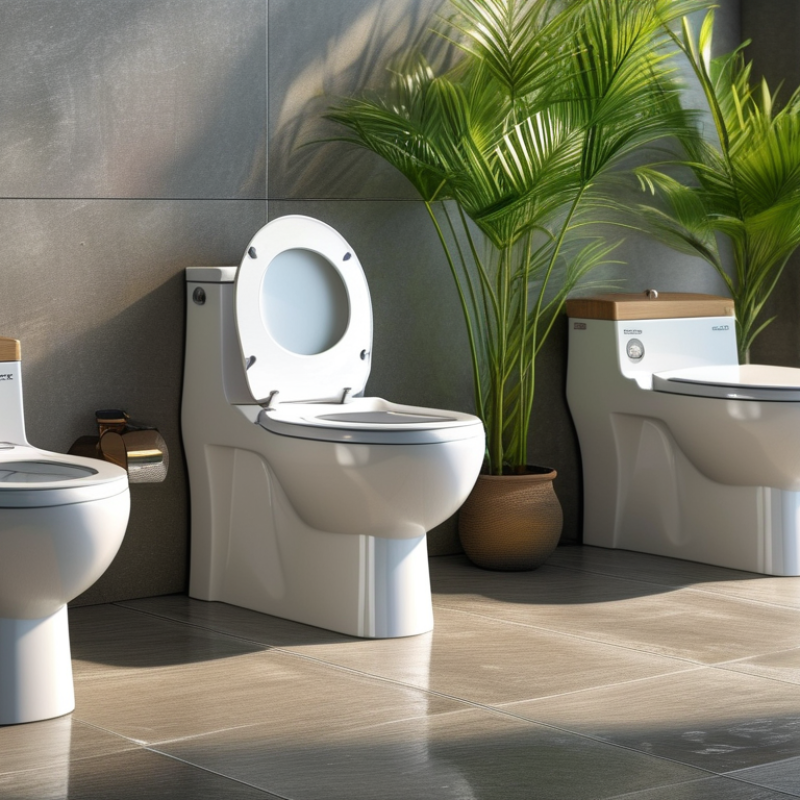
Water-saving toilets are crucial for both environmental sustainability and household water conservation. They use less water per flush compared to traditional models, which is important as water scarcity becomes a pressing global issue. On average, a standard toilet uses about 1.6 gallons per flush, while water-saving toilets can operate efficiently on just 1.28 gallons or even less. This reduction can lead to significant savings on water bills and promotes responsible water use.
When considering a water-saving toilet, it’s essential to look for features like dual-flush options and high-efficiency ratings. These can enhance performance without compromising on cleanliness. However, not all water-saving models function equally. Some may struggle with waste removal, requiring multiple flushes, which defeats the purpose. It’s vital to research and read reviews. Gathering insights from actual users can reveal the strengths and weaknesses that specifications might not show. Each model has its quirks, and finding the right fit requires reflection on both personal needs and broader environmental impact.
Key Features to Look for in a Water-Efficient Toilet
When selecting a water-efficient toilet, certain key features stand out. Look for models with a dual flush option. This allows users to choose between a full or partial flush. It can save a significant amount of water over time. Toilets that use 1.28 gallons per flush (GPF) or less are considered the most efficient. Many older models use 3.5 gallons or more, leading to excessive water waste.
Consider the toilet's technology. Some toilets utilize pressure-assisted flushing systems, which can enhance flush power while minimizing water use. Research shows these toilets often outperform traditional gravity-fed models, providing better performance and consistent results. Noise levels should also be taken into account; some efficient toilets can be surprisingly loud. This may influence your choice if you live in shared spaces.
Don't overlook the design and comfort. Many high-efficiency toilets come in sleek styles that can enhance your bathroom's aesthetics. Comfort height toilets offer additional convenience, especially for taller individuals. However, remember that installation can be tricky. If you are unsure, hiring a professional may save you time and potential headaches.
Types of Water-Saving Toilet Technologies Explained
When selecting a water-saving toilet, understanding the types of technologies available is crucial. There are primarily two types: dual-flush and high-efficiency toilets (HETs). Dual-flush toilets allow users to choose between a full or reduced flush, thus saving water. Research indicates that they can reduce water use by over 30% compared to conventional models. High-efficiency toilets, on the other hand, use advanced flush technology to maximize water usage. They typically consume 1.28 gallons per flush (gpf) or less, compared to the 1.6 gpf standard. The U.S. Environmental Protection Agency supports this, noting that HETs can save families approximately 20,000 gallons of water yearly.
Sustainability should also be considered in toilet design. Many modern toilets use pressure-assisted mechanisms, enhancing the force of the flush without needing more water. While these systems can be more complex and costly, they provide effective performance, especially in lower flow scenarios. However, users sometimes report maintenance challenges, pointing to a need for frequent checks. Additionally, some may find noise levels greater than traditional systems. Balancing efficiency and practicality is essential when choosing a water-saving toilet. Understanding all these options and their benefits, alongside potential drawbacks, can guide you to an informed choice for your bathroom.
Comparing Flush Performance of Different Models
When it comes to water-saving toilets, flush performance is crucial. Many models boast eco-friendly features. However, not all perform equally well. Different types of flushing systems deliver varying results. For instance, gravity-flush toilets use weight to clear waste. They’re often quieter but may require more water. Pressure-assisted models use compressed air for a powerful flush. They can handle bulk waste effectively, but the noise can be a concern.
It's vital to consider test results from reputable sources when choosing a toilet. Some models have impressive specifications but underperform in real-life situations. Reviews often highlight experiences of clogging or weak flushing. Investigating user feedback helps identify reliable options. While many toilets advertise efficiency, they may not always deliver. Reflecting on priorities can guide a more informed decision. Will you sacrifice some water efficiency for a more dependable flush? This balance is key in selecting the right toilet for your home.
Factors Affecting the Cost of Water-Saving Toilets
Choosing the best water-saving toilet involves many factors. One crucial aspect is the price. The cost of water-saving toilets can vary significantly. Budget models often lack advanced features. Meanwhile, high-end toilets may have integrated bidets or smart technology. Understanding these options helps narrow choices.
Another important factor is the flushing technology. Dual-flush systems save more water with fewer flushes. However, they might come at a higher price. Users should consider efficiency and functionality when selecting models. Long-term savings on water bills can offset initial costs.
Installation expenses also play a role in the total investment. Choosing to hire a professional plumber may raise costs. DIY installation could save money but often requires skill and time. Researching the installation process can help. Understanding these factors ensures a well-informed decision while navigating the water-saving toilet market.
Top Tips for Choosing the Best Water Saving Toilet Today? - Factors Affecting the Cost of Water-Saving Toilets
| Feature | Description | Average Cost ($) |
| Dual Flush | Allows users to choose between a full or reduced flush | 150 - 300 |
| Single Flush | Uses one amount of water for every flush | 100 - 250 |
| Pressure-Assisted | Utilizes air pressure to enhance flushing power | 200 - 400 |
| Gravity Flush | Relies on gravity for water flow | 120 - 280 |
| Low Flow Rate | Designed to use less water per flush (1.28 GPF or less) | 150 - 350 |
| ADA Compliant | Height and design that caters to accessibility | 180 - 350 |