10 Tips for Choosing the Perfect Prefab Bungalow for Your Needs
When considering the ideal living space,
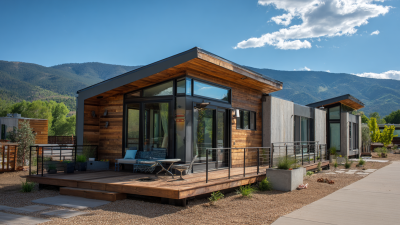
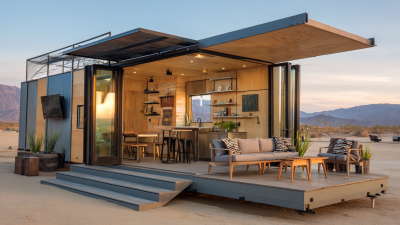
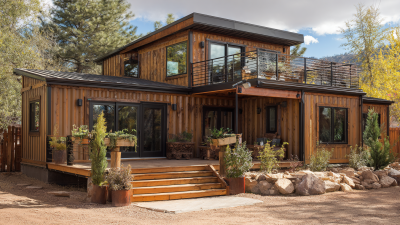
a prefab bungalow
can offer a perfect blend of convenience, style, and sustainability.
These modular homes are increasingly popular due to their ability to provide homeowners with a
quick and affordable solution
without sacrificing quality or aesthetics. However, with a myriad of options available,
selecting the perfect prefab bungalow can be a daunting task. This article presents essential tips
to help you navigate the process and make informed decisions that suit your lifestyle and preferences.
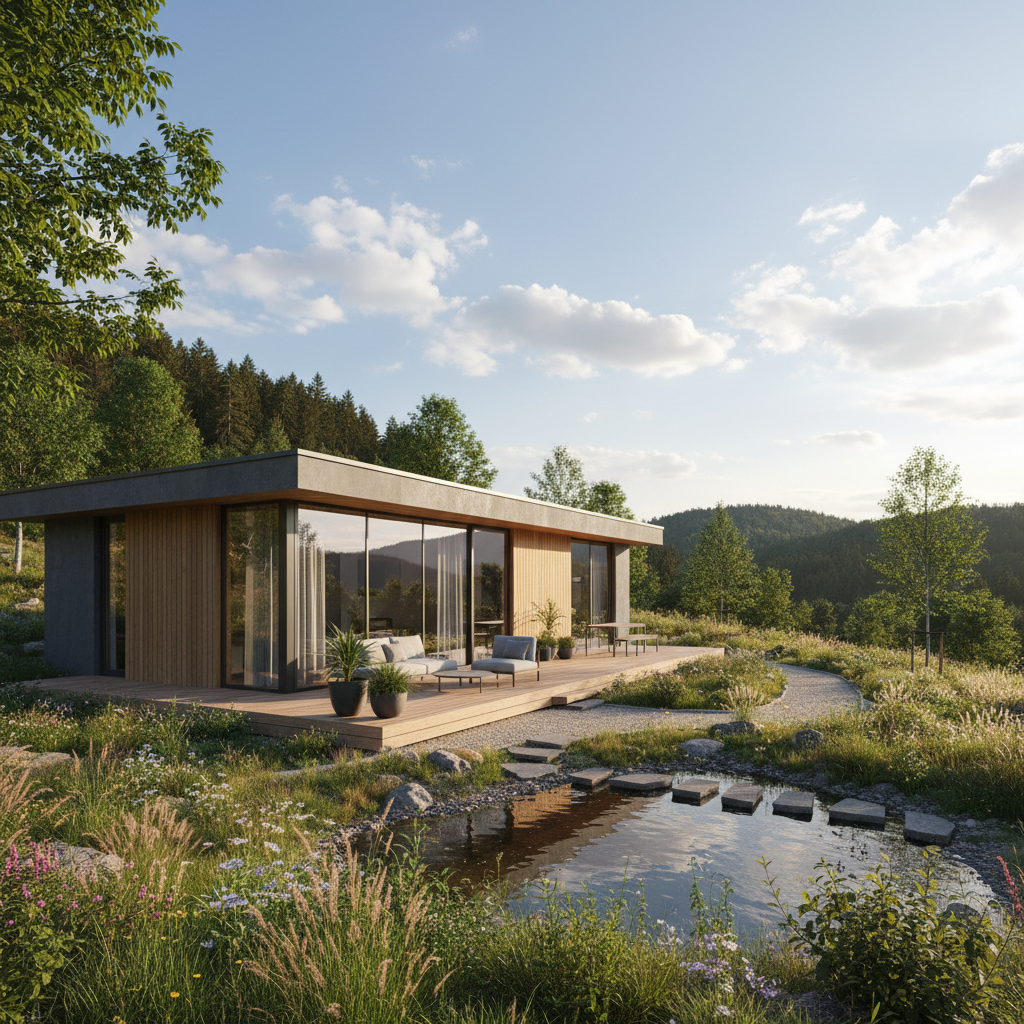
Choosing a prefab bungalow involves much more than just picking a design; it requires thoughtful consideration of various factors that align with your needs. From
location and budget to design elements and materials, understanding these aspects can significantly influence your overall satisfaction with your new home.
Our ten tips will guide you through this journey, ensuring that you find a prefab bungalow that not only meets your requirements but also provides you with a comfortable and beautiful living space for years to come.
Essential Factors to Consider When Selecting a Prefab Bungalow
When selecting the perfect prefab bungalow, it’s essential to consider several crucial factors that align with your lifestyle and preferences. First and foremost, evaluate the design and layout of the bungalow. The floor plan should cater to your daily activities, whether you prioritize open living spaces or distinct rooms for privacy. Additionally, consider the architectural style that complements your aesthetic—modern, rustic, or a blend of both can significantly influence your satisfaction with the final choice.
Another vital factor is the location of your prefab bungalow. Assess the surrounding environment, access to amenities, and local regulations regarding prefab construction. Ensure the area meets your needs, whether it's close proximity to work or the tranquility of nature. Lastly, think about sustainability and energy efficiency; many modern prefab bungalows offer eco-friendly options that can reduce utility costs and minimize environmental impact. By focusing on these essential elements, you can choose a prefab bungalow that truly meets your needs and enhances your living experience.
Comparing Different Materials: Which Works Best for Your Prefab Home
When choosing the perfect prefab bungalow, one of the most crucial factors to consider is the material used in its construction. Different materials impact not only the aesthetics and durability of your home but also its safety performance. For instance, recent discussions sparked by the rapid assembly of prefab houses in Henan highlight concerns regarding the safety of these structures. With some bungalows being erected in just hours, it's essential to ensure that the materials are strong enough to withstand environmental challenges and meet safety standards.
 Concrete and steel remain popular choices for prefab homes due to their durability and resilience. According to industry reports, concrete prefab homes can offer excellent thermal insulation, which reduces energy costs and enhances comfort. When considering materials, remember to weigh the cost-effectiveness against longevity and maintenance needs. For a lasting investment, opt for materials that come with warranties and have proven performance records.
Tip: When comparing materials, consider the local climate and terrain. In areas prone to extreme weather, materials like reinforced steel can provide better protection against natural disasters compared to timber structures. Another important tip is to inspect any prefabricated elements thoroughly before making a purchase, ensuring they meet all relevant safety codes and standards.
Understanding Your Space Requirements for Optimal Functionality
When choosing the perfect prefab bungalow, understanding your space requirements is essential for ensuring optimal functionality. Start by assessing the number of occupants and their daily activities. A solo occupant might prioritize a cozy, compact design, while a family may need multiple bedrooms, a larger living area, and functional spaces, such as a home office or playroom. Think about how each space will be used throughout the day, as this will help guide your decisions on layout, room size, and features.
Additionally, consider the specific needs of each occupant. For example, if you have children or pets, an open floor plan with durable flooring might be ideal. Alternatively, if you work from home, a dedicated office space with adequate sound insulation and natural light will enhance productivity. Don’t forget to factor in outdoor areas, which can expand your living space and provide recreational options. By clearly defining your space requirements, you can select a prefab bungalow that meets your lifestyle needs while maximizing functionality and comfort.
Understanding Space Requirements for Optimal Functionality
Budgeting Smartly: Cost Factors for Your Prefab Bungalow Project
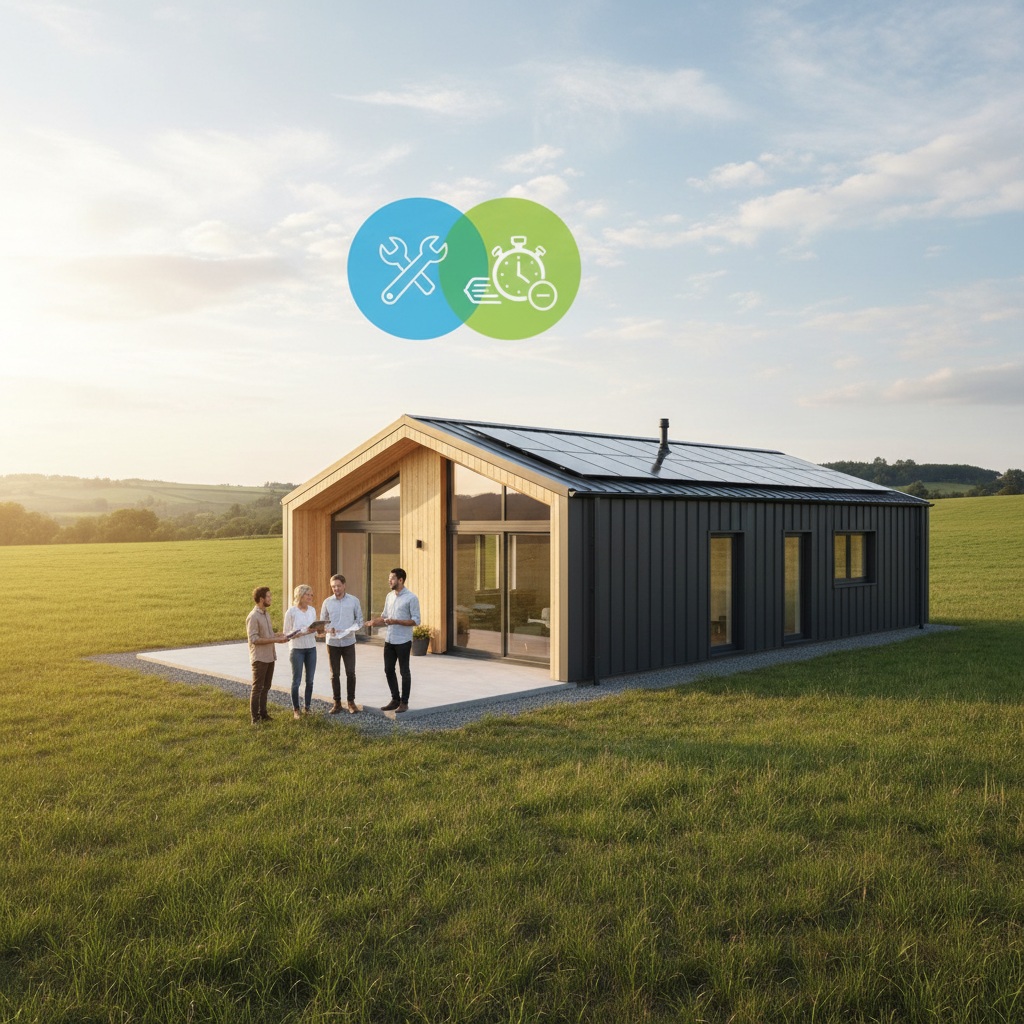
When embarking on a prefab bungalow project, budgeting smartly is crucial. Understanding the cost factors can make a significant difference in your overall investment. According to a recent report by the National Association of Home Builders, prefab homes can save buyers up to 10-20% compared to traditional construction, largely due to reduced labor costs and shorter construction times. However, costs can vary widely depending on factors such as location, materials, and customization options.
One effective tip is to prioritize your features. Determine what is essential for your lifestyle and what can be sacrificed. For instance, opting for a smaller footprint or less expensive finishes can drastically reduce costs. Additionally, consider the long-term value of energy-efficient appliances and materials, which might come with a higher upfront cost but can lower utility bills over time.
Another cost-saving strategy is to engage with reputable manufacturers early on. They can provide insights into efficient design choices and savings opportunities. Furthermore, as highlighted in the 2022 Prefabricated Housing Industry Report, buyers who involve contractors in the planning phase often enjoy enhanced budget control and fewer unexpected expenses. Engaging in thorough planning is essential to ensure your prefab bungalow meets your needs without breaking the bank.
Evaluating Location: Choosing the Right Site for Your Prefab Home
When it comes to selecting the perfect site for your prefab bungalow, evaluating the location is crucial. Firstly, consider the access to essential amenities such as grocery stores, healthcare facilities, schools, and recreational spaces. A convenient location not only enhances your daily life but also increases the long-term value of your home. Furthermore, check the transportation options available; proximity to public transit can significantly improve your commute and overall accessibility.
Another important aspect is the natural environment surrounding the site. Assess factors like views, sunlight exposure, and any potential hazards such as flood zones or landslide areas. You’ll want a tranquil setting that aligns with your lifestyle—whether that’s a lively neighborhood or a quiet retreat in nature. Additionally, take note of local regulations and zoning laws, as these can influence your building process and future modifications. By meticulously evaluating these elements, you can ensure that your chosen location perfectly accommodates the lifestyle you envision in your prefab bungalow.
10 Tips for Choosing the Perfect Prefab Bungalow for Your Needs - Evaluating Location: Choosing the Right Site for Your Prefab Home
| Site Features |
Importance |
Considerations |
Potential Challenges |
| Proximity to Amenities |
High |
Close to shops, schools, and healthcare |
Traffic congestion, noise |
| Access to Transportation |
High |
Public transport and major roads |
Distance from transit stations |
| Zoning Regulations |
Medium |
Understanding local zoning laws |
Restrictions on building types |
| Natural Light Access |
Medium |
Orientation of the plot |
Surrounding trees or buildings |
| View and Scenery |
Low |
Landscape and environment |
Potential for future developments |
| Soil Quality |
High |
Assessing ground stability |
Possible drainage problems |
| Flood Risk |
High |
Checking local flood maps |
High insurance premiums |
| Utilities Access |
High |
Water, electricity, and waste disposal |
High connection costs |
| Community and Lifestyle |
Medium |
Local culture and community vibe |
Mismatch with personal lifestyle |
| Future Development Plans |
Medium |
Understanding local development forecasts |
Unexpected changes in the area |