Why Choose the Right Pipe Fitting for Your Project?
Choosing the right Pipe Fitting for any project can significantly impact functionality and safety. According to John Smith, a leading expert in the pipe fitting industry, “The right fitting can make or break a system.” It’s vital to consider how each component influences overall performance and reliability.
When selecting pipe fittings, understanding material compatibility is essential. Different environments demand specific materials to prevent corrosion or wear. For instance, using PVC fittings in a high-temperature setting could lead to failure. This choice requires careful thought and expertise.
Mistakes in fittings can lead to leaks and costly repairs. Evaluating specifications, dimensions, and pressure ratings is crucial. Sometimes, achieving perfection in selection feels unattainable, reminding professionals of the importance of experience. Reflecting on past choices can guide future decisions, ensuring better outcomes in pipe fitting applications.
Understanding the Basics of Pipe Fittings and Their Functions
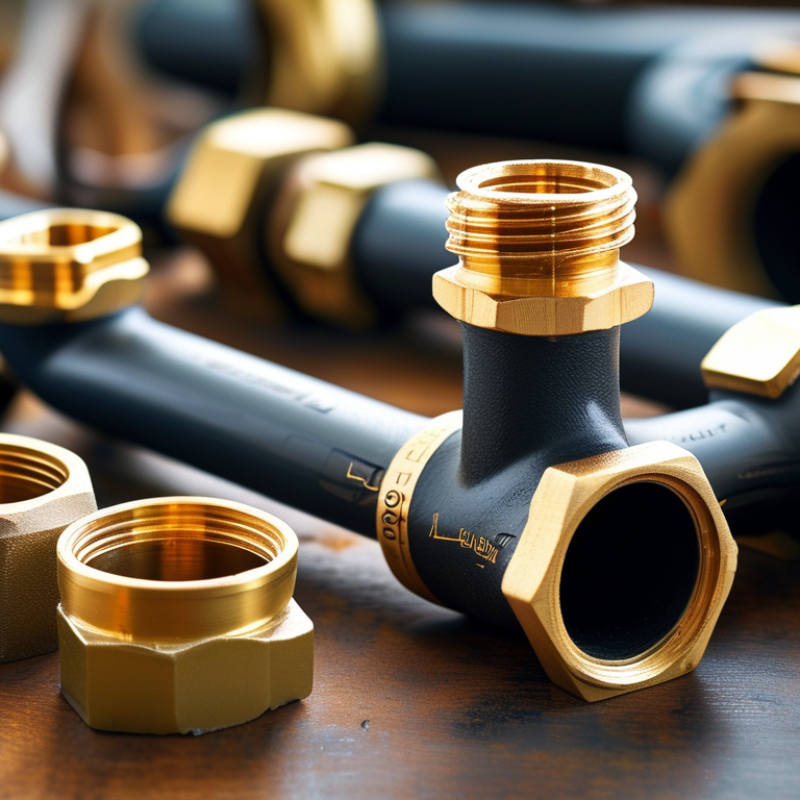
When planning a plumbing project, understanding pipe fittings is essential. Pipe fittings are crucial connectors, allowing for changes in direction, pipe size, and system flow. Each fitting serves a specific function. For instance, elbows guide pipes around corners, while tees split the flow into two directions. Knowing which fittings to use can save you time and money.
However, choosing the right fitting can be challenging. Many factors must be considered, such as materials and application. Different materials, like PVC or copper, may offer varying durability and pressure ratings. Not all fittings are suitable for every project, and some may lead to leaks if not properly selected. It's important to weigh the functions against the project needs.
Sometimes, even experienced plumbers make mistakes. They might overlook a simple fitting or misjudging the required pressure. A wrong choice can lead to costly repairs. Thus, careful planning and research are vital. A solid understanding of basic fittings can pave the way for a successful project. Investing time in learning can significantly improve the outcome.
Types of Pipe Fittings: Choosing the Right Type for Your Application
When it comes to selecting pipe fittings, understanding the types available is crucial. Different applications require different fittings. Common types include elbows, tees, couplings, and reducers. Each type serves a specific function. For instance, elbows help change the direction of flow, while couplings connect two sections of pipe.
According to the Global Pipe Fitting Market report, this sector is projected to reach $330 billion by 2027, with a 4.8% growth rate. The report highlights PVC, copper, and steel fittings as the most utilized materials. PVC is popular for its resistance to corrosion and affordability. Steel offers durability in high-pressure systems. Choosing the right material impacts long-term performance.
However, not all projects receive the attention they need. Misjudging the application can lead to significant issues. For example, using low-quality fittings in high-stress areas may cause leaks. Engineers and builders must consider pressure ratings and flow characteristics. These details can make or break a project's success. Awareness of these factors is essential for achieving reliable results.
Factors to Consider When Selecting Pipe Fittings for Your Project
When selecting pipe fittings for your project, several factors come into play. The type of material is crucial. Common choices include PVC, copper, and steel. Each material has its strengths and weaknesses, affecting durability and cost. For instance, PVC is lightweight and resistant to corrosion, while steel offers strength but may rust.
The size of the fittings also matters. Ensure that the dimensions match your piping system. Incorrect sizing can lead to leaks or pressure issues. Additionally, consider the application environment. Will it be exposed to high temperatures or harsh chemicals? This influences your material choice.
Pressure ratings are another vital aspect. Different projects require different pressure tolerances. Check the ratings to avoid failures. Lastly, think about installation ease. Some fittings are simpler to install and service than others. Sometimes, complex fittings can be tempting but might require extra time and skill to manage.
Reflect on your team’s capabilities. Choosing the right pipe fitting can save time, money, and frustration in the long run.
Impact of Material Selection on Pipe Fitting Performance and Longevity
When it comes to choosing pipe fittings, material selection is crucial for performance and longevity. Different materials can withstand various pressures, temperatures, and corrosive environments. For instance, stainless steel offers excellent durability, while PVC is lightweight and resistant to corrosion. These factors directly influence the fitting's lifespan and effectiveness in your project.
Tips: Always consider the project's specific needs. If you expect high temperature fluctuations, opt for materials designed to handle that stress.
Moreover, beyond just durability, the fitting's compatibility with the piping system is essential. Mismatched materials can lead to leaks or structural failures. Therefore, understanding the properties of each material is key to ensuring a seamless fit. Some projects face unexpected wear, and it's vital to assess the working environment regularly.
Tips: Conduct regular inspections. Look for signs of wear or corrosion that may signal a need for replacement. Being proactive can save time and money in the long run.
Common Mistakes to Avoid When Choosing Pipe Fittings for Projects
Choosing the right pipe fitting for any project can significantly impact the overall success. Many people make common mistakes that can lead to costly errors. One frequent error is not considering the material compatibility. For instance, using copper fittings with PVC pipes can cause leaks over time.
Another mistake is ignoring the pressure ratings of fittings. Different applications require specific pressure tolerances. It's essential to check the specifications carefully. A fitting that cannot handle the project's pressure can lead to failures.
Tips: Always consult with an expert when in doubt. Take detailed measurements before purchasing fittings. It is better to buy a few extra fittings than to run short. Furthermore, don't hesitate to ask for a second opinion. In some cases, your choice may not be the best for the intended application. A small oversight can lead to major issues later on.