2025 How to Create an Immersive 3D House Tour Experience for Your Audience
In today's digital landscape, creating an engaging experience for potential buyers or clients is more crucial than ever. One innovative way to showcase properties is through a 3D house tour, which allows audiences to explore spaces in an immersive and interactive manner. This technology transcends traditional photography and video by offering a virtual walkthrough that can highlight every corner of a home, making it feel as though the viewer is actually there. As we approach 2025, the demand for high-quality, immersive visual content will continue to rise, setting the stage for the evolution of the real estate industry.
To craft an unforgettable 3D house tour experience, it’s essential to understand not only the technical aspects of 3D modeling but also the narrative that accompanies it. Engaging storytelling, combined with stunning visuals, can create an emotional connection with viewers, making them more likely to envision themselves in the space. Moreover, incorporating various features such as interactive hotspots and virtual staging can further enhance the viewer's experience. As we delve into the process of creating an immersive 3D house tour, it becomes evident that melding creativity with technology can transform the way properties are showcased and experienced in the real estate market.
Understanding Immersive 3D Technology in Real Estate Marketing
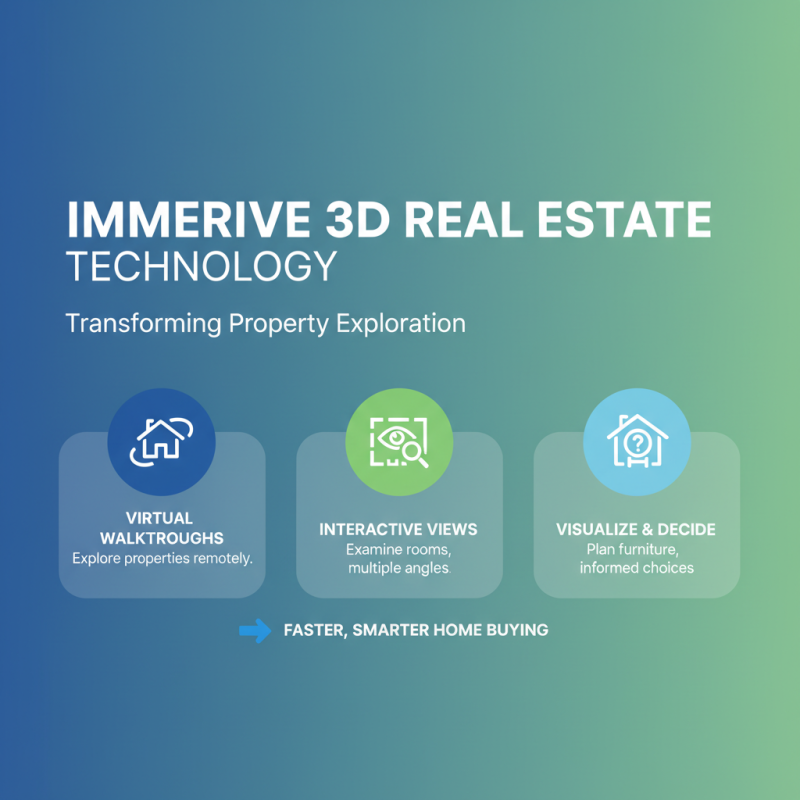
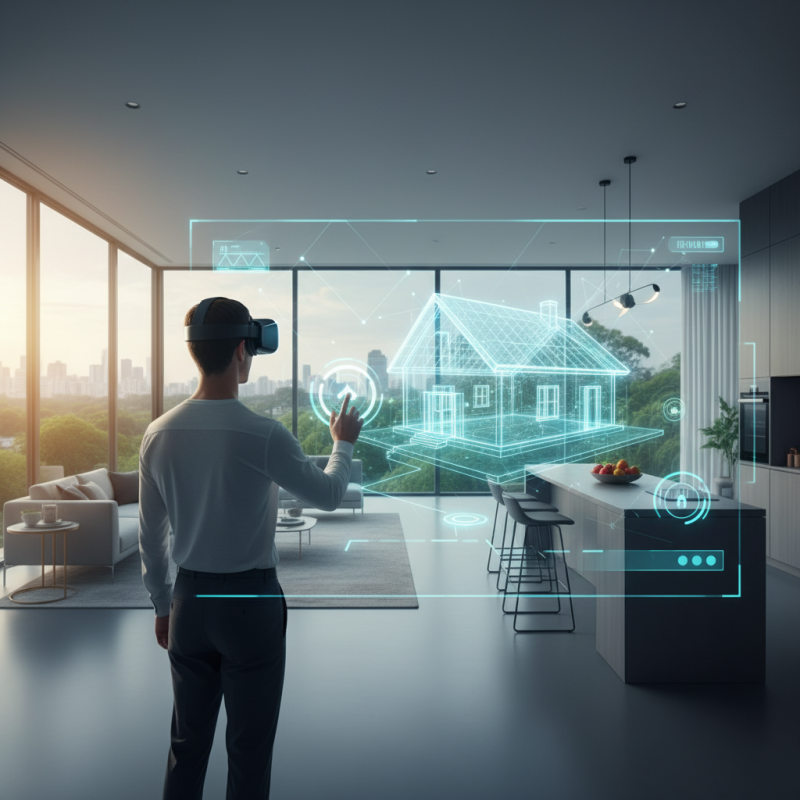
Immersive 3D technology is transforming the landscape of real estate marketing by offering potential buyers an engaging way to explore properties. Through the creation of realistic virtual environments, prospective clients can walk through homes, examine rooms from multiple angles, and even visualize how their belongings would fit in a space. This technology not only enhances the viewing experience but also assists in decision-making by providing a comprehensive understanding of a property before a physical visit.
Tips for creating an effective immersive 3D house tour include investing in high-quality 3D modeling software to ensure realistic visuals. Consider incorporating interactive elements such as clickable hotspots that provide additional information about features like appliances, finishes, and outdoor spaces. This interactivity keeps viewers engaged and encourages them to spend more time exploring the tour.
Another important aspect is to ensure the tour is optimized for various devices, including desktops, tablets, and smartphones. Providing a seamless experience across platforms enhances accessibility and allows potential buyers to explore homes at their convenience. Additionally, promoting these tours through social media and email campaigns can significantly increase reach and engagement, attracting a wider audience to your listings.
Essential Tools and Software for Creating 3D House Tours
Creating an immersive 3D house tour experience requires the right set of tools and software to bring your vision to life. First and foremost, consider using specialized software that allows for high-quality modeling and rendering. Many platforms offer user-friendly interfaces that cater to both beginners and experienced users, enabling the creation of detailed floor plans and realistic textures. Look for features that allow users to customize lighting, camera angles, and interactive elements, as these are essential for capturing the audience's attention.
In addition to software, hardware plays a crucial role in the creation of 3D house tours. A powerful computer with a strong graphics card ensures that rendering times are minimized and that the final product is smooth and visually appealing. Moreover, incorporating virtual reality (VR) devices can elevate the experience further, allowing viewers to navigate through the space as if they were physically present. By leveraging these tools and technologies, you can create a captivating 3D house tour that showcases your property in a way that engages and impresses potential buyers or viewers.
Step-by-Step Process for Designing an Engaging 3D House Tour
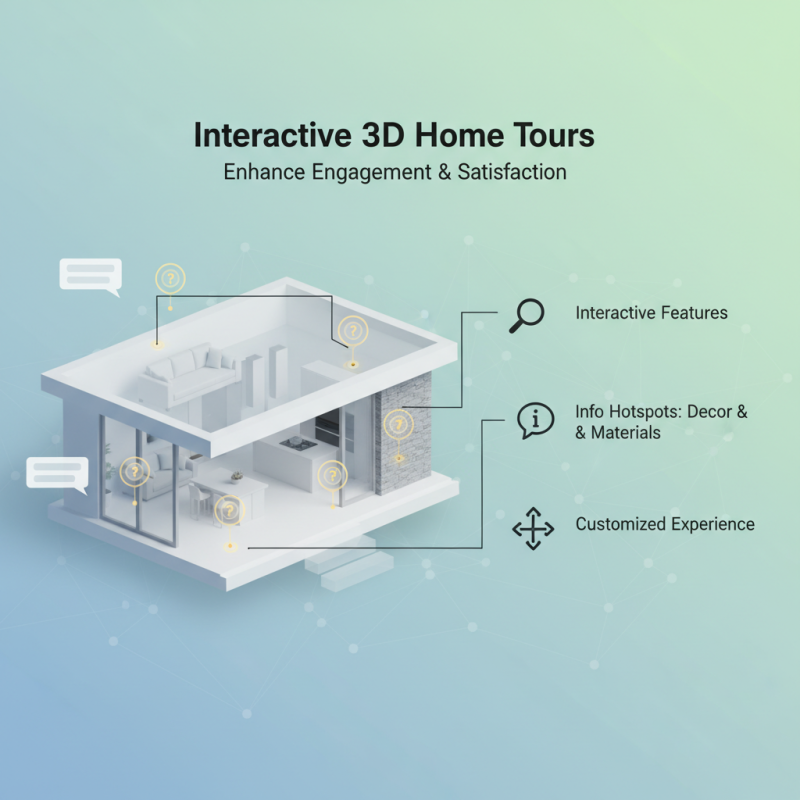
Creating an engaging 3D house tour experience involves a careful blend of technology and design principles. First, start with high-quality visuals and detailed floor plans to ensure that potential viewers can fully appreciate the space. Use 3D modeling software to construct a realistic representation of the property, allowing users to explore every corner virtually. Incorporate interactive elements such as clickable hotspots that provide information about specific features, materials, or renovations, enhancing the viewer's experience by making it immersive and informative.
Next, focus on the user interface and navigation ease. Design intuitive controls that allow users to move freely through the space without confusion. Consider adding guided tours that can lead users through key areas, highlighting important aspects of the house. Background audio or ambient sounds can also elevate the experience, creating a sense of presence and making the viewer feel as if they are actually stepping into the home. By thoughtfully combining these elements, you can create a compelling 3D house tour that captivates your audience and keeps them engaged throughout their virtual visit.
2025 House Tour Experience Engagement Metrics
This chart represents the engagement metrics for an immersive 3D house tour experience in 2025. The data illustrates the average view duration, click-through rate, user interaction, and overall feedback rating, highlighting the effectiveness of virtual tours in engaging audiences.
Integrating Interactive Features to Enhance User Experience
Creating an immersive 3D house tour experience goes beyond just showcasing rooms; integrating interactive features is essential for enhancing user engagement and satisfaction. Instead of merely presenting a static view, consider incorporating hotspots that provide additional information about décor, materials, or architectural details. This allows viewers to delve deeper into the aspects of the home they find most appealing, creating a customized experience that caters to individual interests.
**Tips:** Encourage users to interact with the space by enabling features that allow them to change angles, zoom in on specific details, or even switch between virtual furniture layouts. Additionally, including interactive elements such as clickable floor plans can help users navigate through different areas effortlessly, making their exploration feel more intuitive and engaging.
Furthermore, consider integrating tools that allow viewers to communicate their preferences, such as a “like” button for certain styles or colors. This not only gives you valuable feedback but also makes the audience feel more involved in the creation process, fostering a sense of ownership over their experience. By combining these interactive features, you can transform a simple virtual tour into a captivating journey that resonates with your audience.
Best Practices for Promoting Your 3D House Tour to Audience
To effectively promote your immersive 3D house tour, it’s essential to leverage a variety of digital marketing strategies. Start by creating engaging content that highlights the unique aspects of your tour. Use high-quality visuals and descriptive storytelling to capture the attention of potential viewers. Sharing teasers on social media platforms, paired with compelling captions, can generate intrigue and drive traffic to your main event.
Tips for promotion: Utilize social media platforms like Instagram and Facebook to reach a broader audience. Create targeted ads to ensure your content is seen by those most likely to engage with your tour. Consider hosting live sessions or Q&A events to interact with your audience directly, providing them a sneak peek into what they can expect from the 3D experience.
Additionally, collaborate with influencers or content creators in the home and lifestyle niche to amplify your reach. Their established audiences can provide a valuable source of exposure, introducing your 3D house tour to individuals who may not have discovered it otherwise. Offer them exclusive access or previews in exchange for sharing their experience, which can create buzz and encourage their followers to participate.