10 Essential Tips for Choosing Prefab Homes in Florida

Choosing prefab homes in Florida can be an exciting journey. With the growing popularity of these homes, many potential buyers are eager to explore their options. Prefab homes Florida offer numerous benefits, including efficiency and affordability. However, navigating this market can be tricky.

When considering prefab homes, it’s important to focus on several factors. Look for quality materials and designs that suit your style. Understand the local climate and how it affects the home’s durability. Pay attention to regulations and permits, as these can complicate your plans.

Many overlook crucial details when selecting a prefab home. You may find what looks appealing may not fit your lifestyle. Reflect on your long-term needs. Think about resale value as well. Understanding these aspects will help you make a more informed decision in the dynamic market of prefab homes Florida.
10 Essential Tips for Choosing Prefab Homes in Florida

Understanding Prefab Homes: Key Features and Benefits
10 Essential Tips for Choosing Prefab Homes in Florida

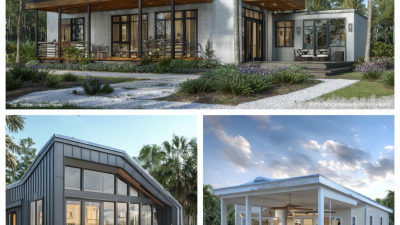
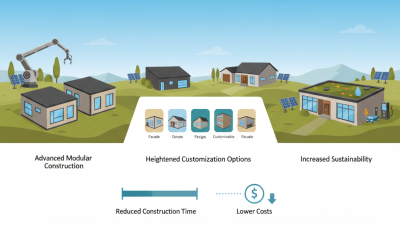
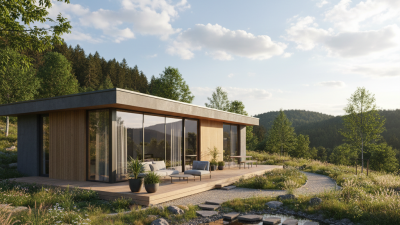
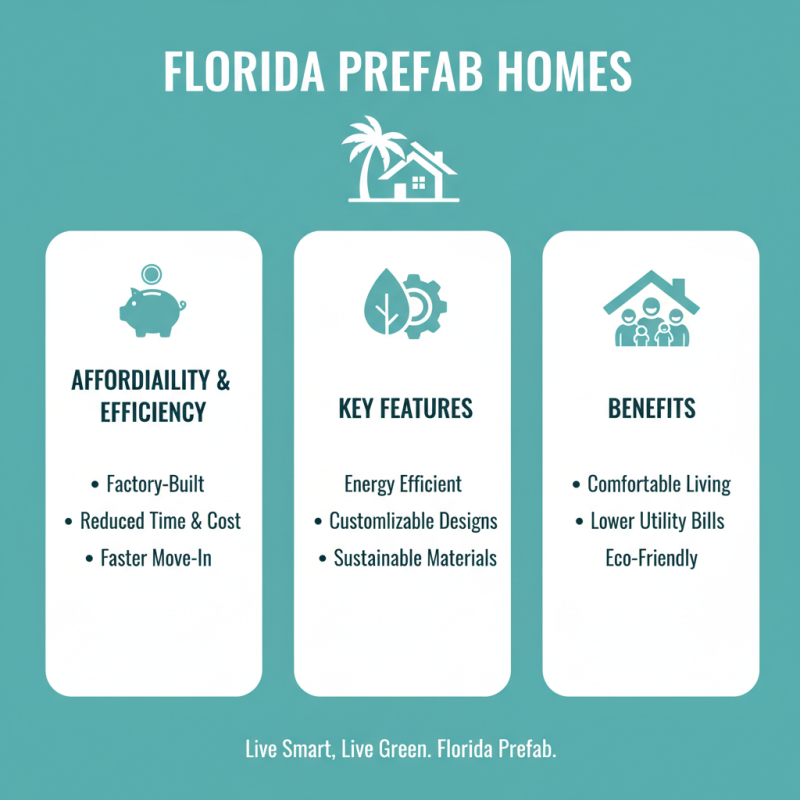
Prefab homes have gained popularity in Florida for their affordability and efficiency. These homes are factory-built, reducing construction time and costs. Key features include energy efficiency, customizable designs, and sustainable materials. They offer homeowners a chance to live comfortably while minimizing their environmental impact.

When choosing a prefab home, consider location carefully. You want to find land that suits your lifestyle. Investigate zoning laws and local regulations. They can greatly affect your building process. Also, check for potential flood zones in Florida. This is crucial for long-term safety.

Budgeting is essential. More affordable options could mean sacrifices in quality or durability. Don’t rush this decision. Explore various designs to find what truly fits your needs. Pay attention to insulation and energy-efficient features. They can save you money on utility bills in the long run. While prefab homes often simplify construction, every choice requires careful thought.
Factors to Consider When Choosing a Location in Florida

10 Essential Tips for Choosing Prefab Homes in Florida

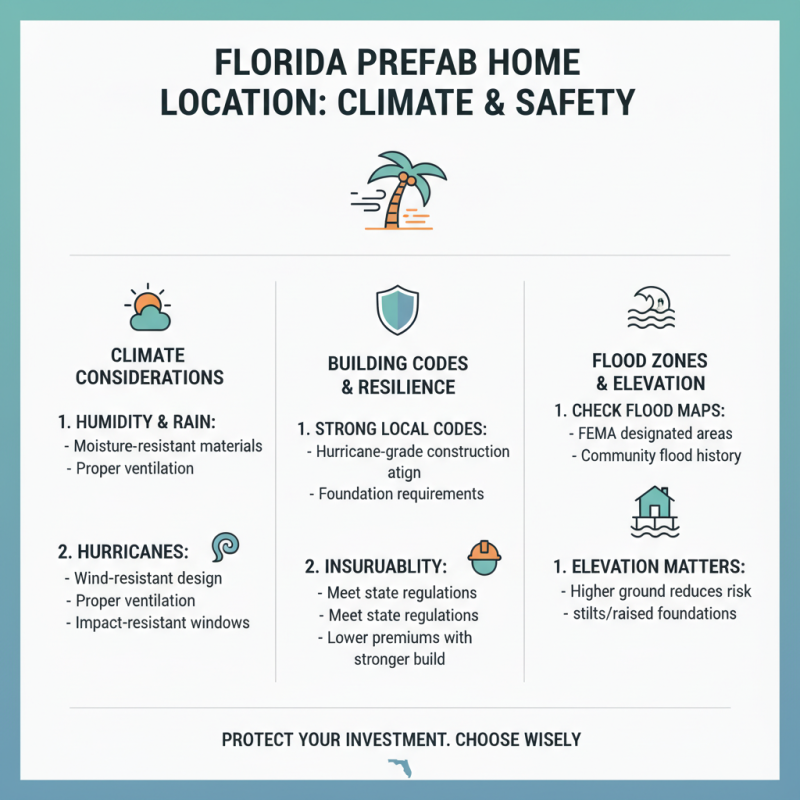
When choosing a location for a prefab home in Florida, consider local climate conditions. Florida is known for its humidity, heavy rains, and hurricanes. Look for areas with strong building codes that ensure your home can withstand severe weather. Check if the community has flood zones and think about elevation. Some places might seem perfect but can face unexpected floods.

Next, consider the proximity to amenities. Living close to shopping, schools, and healthcare can significantly enhance your quality of life. Many choose areas with vibrant communities, but it's worth reflecting on your daily commute. Some neighborhoods may appear inviting but could lead to long drive times. Accessibility to main roads and public transport is essential.

Lastly, think about future development. A quiet area now might attract new projects, changing the neighborhood's character. Research zoning laws and local plans to understand potential developments. Consider how these changes align with your lifestyle. It’s a thoughtful process, and sometimes the perfect spot may reveal unexpected challenges over time.

Evaluating Quality: Materials and Construction Standards

When choosing prefab homes in Florida, it’s crucial to evaluate the quality of materials and construction standards. Look closely at the types of materials used. Wood, steel, and concrete all have their pros and cons. For example, wood is lightweight but can be susceptible to termites. Steel can withstand storms but may be prone to rust. Understand the regional climate. Florida’s humidity can impact material durability.

Construction standards are equally important. Check if the home meets local building codes. These codes are designed to ensure safety, especially in hurricane-prone areas. Pay attention to insulation and energy efficiency. Good insulation will keep your home comfortable and can save on energy bills. Inspect the construction process if possible. Look for craftsmanship issues. Gaps, misalignment, or weak joints can lead to troubles later.

Don’t overlook the foundation. A strong foundation is essential for the longevity of any home. If a prefab home is poorly aligned on its base, it could create problems over time. Ask about warranties and what they cover. Sometimes, warranties sound great but are limited. Take the time to question everything. A thorough evaluation can save you significant issues down the road.

Customization Options: Designing Your Ideal Prefab Home

When designing your ideal prefab home in Florida, customization options play a pivotal role. Many homeowners desire unique spaces that reflect their lifestyles. Reports indicate that 80% of new home buyers show interest in customizable features. These can range from open floor plans to eco-friendly materials. Every decision matters, affecting aesthetics and functionality.

Choosing layouts is crucial. One popular option is the open-concept design, allowing for fluid movement between spaces. However, the challenge lies in balancing openness with privacy. Maybe a separate office space is essential for remote work. Consider also the climate; energy-efficient designs can save up to 30% on bills. Not all prefab models are suited for Florida’s humidity. Some materials can warp or degrade over time.

Customization also extends to interiors. Homebuyers often overlook this aspect. Flooring, cabinetry, and fixtures can dramatically change the overall feel. While choosing high-end appliances is tempting, budget constraints are often unavoidable. Could opting for mid-range products deliver the same aesthetic appeal? It’s worth evaluating. An informed approach fosters a truly personalized home experience.

Budgeting for Your Prefab Home: Costs and Financing Options

Budgeting for a prefab home in Florida requires careful planning. The average cost of these homes ranges from $100 to $200 per square foot. This varies based on design, materials, and location. Many buyers find unexpected expenses arise during the process. Site preparation, permits, and utility connections can add significant costs.

Financing options also play a crucial role. According to the National Association of Home Builders, about 69% of home buyers use loans to finance their purchases. However, prefab homes may not qualify for traditional mortgages. Some lenders specialize in manufactured or modular homes, but securing these loans can take time.

It's essential to have a flexible budget. Price fluctuations in the materials market can affect overall costs. Additionally, buyers should be prepared for change orders that might arise during construction. Managing your budget with a contingency plan is wise. Understanding these factors can help you navigate the financial landscape of prefab home ownership in Florida.

Enter search term below