2026 How to Finance Your Modular Home Effectively?
Financing a modular home can seem daunting. However, with the right strategies, it becomes manageable. Modular home financing offers several options tailored for buyers today.
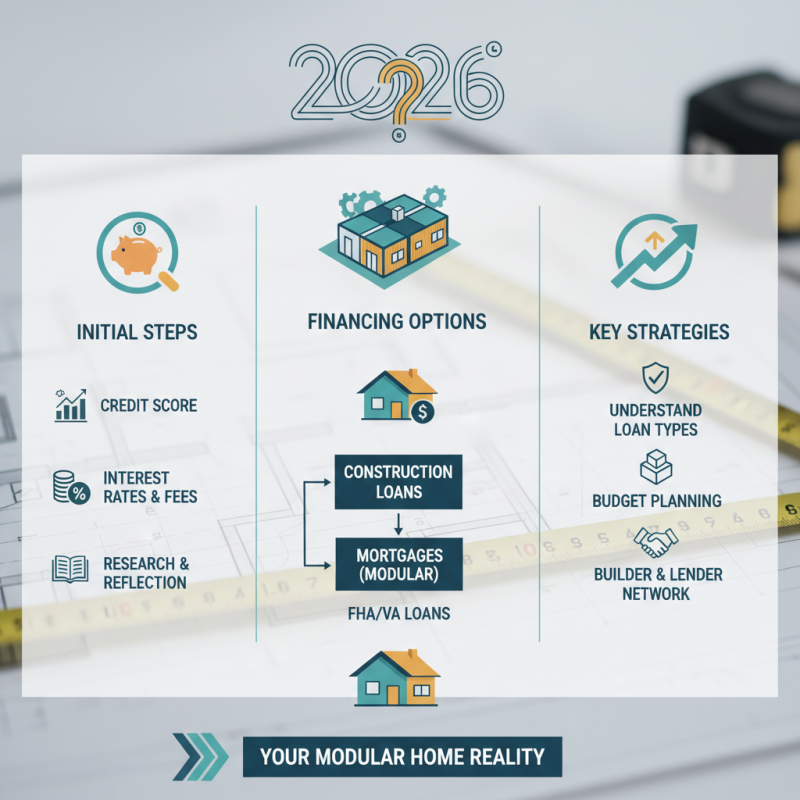
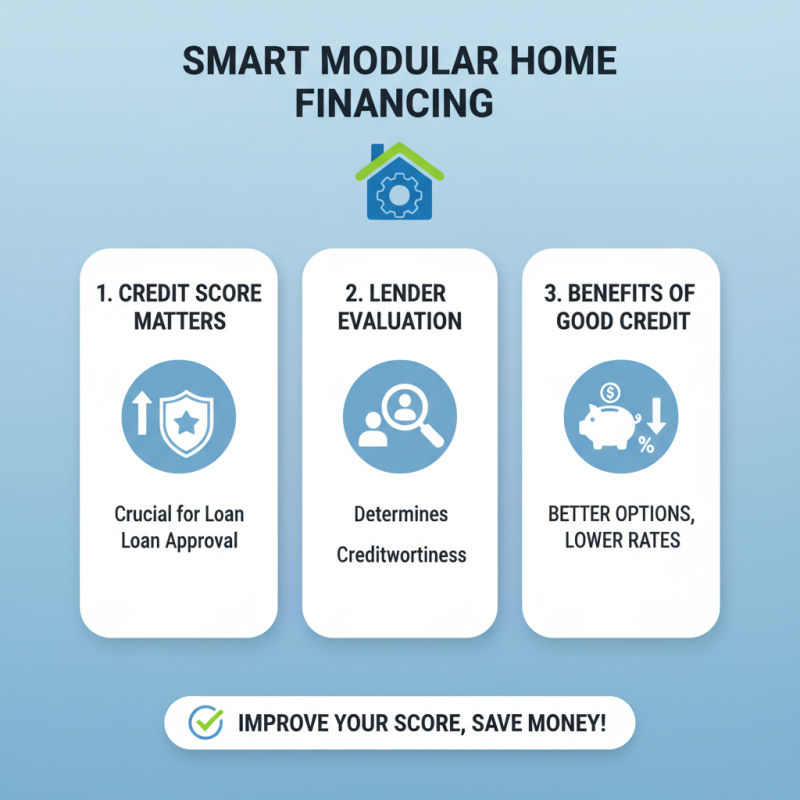
Potential homeowners often get confused by various loan types. Understanding the differences is crucial for making informed decisions. Many buyers overlook critical factors, such as interest rates and hidden fees. They may also underestimate the importance of a solid credit score.
Exploring financing choices is vital. Some people hesitate to take the first step, fearing complexity. Yet, modular homes can be affordable with proper planning. This path requires both reflection and research. Ultimately, effective financing can turn your vision of a modular home into reality.
Understanding Modular Homes and Their Financing Needs
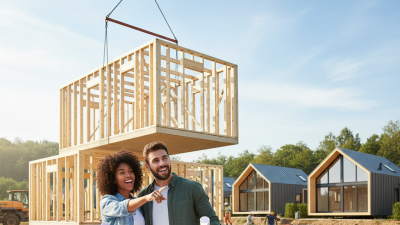
Modular homes have gained popularity due to their efficient construction. These homes are built in sections in a factory, then they are transported to the site for assembly. Understanding their financing needs is crucial for potential buyers. Unlike traditional homes, modular homes may have unique financing options. This could affect how buyers approach their funding solutions.
One option is to secure a conventional mortgage. However, some lenders may hesitate; they might see modular homes as risky investments. As a buyer, it’s essential to be prepared for this challenge. Knowing your credit score and financial history can help. Personal loans are another route, but they often come with higher interest rates.
Buyers should also consider down payments. These can vary significantly, affecting monthly payments. A larger down payment might lead to a lower interest rate. Researching local regulations is vital. Some areas have specific rules around zoning or land that impact financing. This aspect often requires careful thought. Finding the right financing for a modular home is not always straightforward. It involves reflection and planning to make the most informed choices.
Exploring Different Financing Options for Modular Homes
Exploring financing options for modular homes can be daunting. Many buyers are unsure where to start. According to a recent report, around 70% of modular home buyers rely on traditional loans. These can include FHA loans, which are popular for first-time homeowners. Modular homes often qualify for these loans due to their permanent foundation.
Another option gaining traction is personal loans. These can be less formal and quicker to obtain. However, interest rates might be higher. Some experts suggest buyers should consider credit unions as an alternative. They often offer better terms and lower rates than big banks. It was noted that credit unions could save borrowers an average of 1.5% on interest rates.
A significant challenge arises when buyers seek land loans. Financing a modular home on owned land is usually simpler. Yet, if purchasing land and home together, the process can become complex. Lenders may require higher down payments or even additional paperwork. This can be frustrating but is essential to secure proper funding. It is crucial to evaluate all options thoroughly before making a decision.
Evaluating Loan Types: Conventional, FHA, and VA Loans
When financing a modular home, understanding loan types is crucial. Conventional loans typically require a higher credit score and larger down payments. The average down payment is around 20%. This can be a barrier for many buyers. Yet, the appeal lies in competitive interest rates, making them a popular choice.
FHA loans provide an alternative. These loans are government-backed and require a lower down payment of about 3.5%. This option benefits first-time buyers. However, the long-term costs can be higher due to mortgage insurance. It's vital to assess overall financial impact. VA loans are another option for veterans and active-duty service members. They offer zero down payment and no PMI, which is attractive. Yet, eligibility requirements can be complex.
In 2022, the average modular home cost was approximately $120,000. While that number may seem accessible, financing remains a challenge. Variability in rates and the complexity of loans can lead to confusion. Many buyers don't fully understand loan types and end up with suboptimal financing. This highlights the need for research and professional advice. Educating oneself about each option's nuances leads to informed decisions.
2026 How to Finance Your Modular Home Effectively? - Evaluating Loan Types: Conventional, FHA, and VA Loans
| Loan Type |
Typical Interest Rate |
Down Payment Requirement |
Loan Term |
Eligibility Criteria |
| Conventional Loan |
3.5% - 4.5% |
3% - 20% |
15 to 30 years |
Good credit score, debt-to-income ratio |
| FHA Loan |
3.75% - 5.25% |
3.5% |
15 to 30 years |
Lower credit score, mortgage insurance required |
| VA Loan |
3.25% - 4% |
0% |
15 to 30 years |
Military service, no minimum credit score |
Choosing the Right Lender for Your Modular Home Financing
Choosing the right lender for your modular home financing is crucial. It impacts your budget and peace of mind. Start by researching local lenders and comparing their offers. Look for those who specialize in modular homes. They often understand the unique aspects of this housing choice. Some lenders might not see modular homes as traditional. This can limit your options.
Consider interest rates and loan terms. Low rates may seem appealing but don’t overlook hidden fees. Ask for a breakdown of costs. Understand what you’re signing up for. A common mistake is focusing solely on the monthly payment. Always think about the total cost over the life of the loan.
Customer service matters. You’ll want a lender who is responsive and transparent. Some people have faced communication issues with lenders. This can lead to frustration down the line. A personalized approach can make the process smoother. Gather feedback from previous clients. This will help you understand what to expect and make an informed decision.