Exploring the Future of Modular Cottage Homes: Sustainable Living and Design Trends
As we venture further into the 21st century, the concept of sustainable living is gaining unprecedented traction, prompting innovative design solutions that cater to environmentally conscious consumers.
One particularly intriguing development in this realm is the rise of
modular cottage homes, which blend traditional aesthetics with modern efficiency.
These homes are not only flexible in design but also prioritize sustainability, utilizing eco-friendly materials and construction practices that significantly reduce their carbon footprint.
This exploration of modular cottage homes will delve into the emerging trends in their design and construction, highlighting how they respond to the growing demand for affordable yet sustainable housing options.
By examining the latest innovations and lifestyle implications, we will uncover the potential of modular cottage homes to redefine contemporary living while honoring the environment.
The Rise of Modular Cottage Homes in Sustainable Housing Solutions
The rise of modular cottage homes represents a significant shift in sustainable housing solutions, catering to the increasing demand for eco-friendly living options. These homes are prefabricated in controlled environments, leading to reduced waste and lower carbon emissions during construction. As a result, modular cottage homes not only minimize their environmental footprint but also offer a streamlined building process that is both cost-effective and efficient.
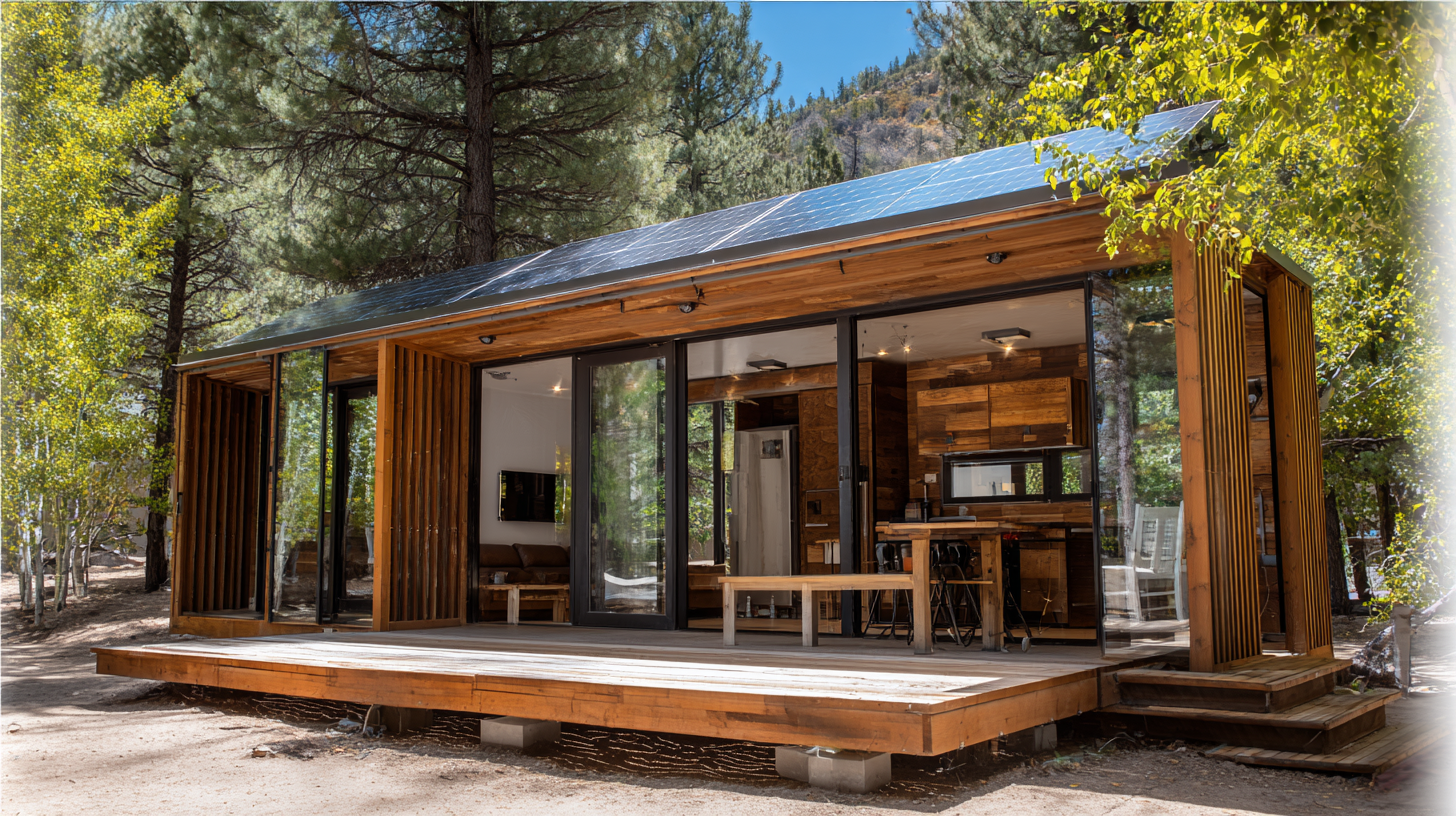
Moreover, the design trends surrounding these modular homes focus on integrating natural materials and innovative energy-efficient technologies. Many designs incorporate solar panels, rainwater harvesting systems, and high-quality insulation to enhance sustainability. The cozy, compact aesthetic of cottage homes encourages a connection with nature, fostering a lifestyle that prioritizes simplicity and mindfulness. This trend is not just about creating homes; it’s about cultivating a community committed to sustainable living practices, thus redefining what it means to create a harmonious balance between modern conveniences and environmental responsibility.
Exploring the Future of Modular Cottage Homes: Sustainable Living and Design Trends
This chart illustrates the increasing trend of modular cottage homes built from 2018 to 2023, highlighting the growing interest in sustainable housing solutions.
Innovative Design Trends for Modern Modular Cottages
The trend toward modular cottage homes is influencing the design landscape, as innovative concepts emerge to meet the growing demand for sustainable living. According to a report by McKinsey & Company, the modular construction market is expected to reach $157 billion by 2023, reflecting a shift in consumer preference towards more efficient, eco-friendly housing solutions. This surge in interest is driving architects and designers to explore flexible, modular designs that not only optimize space but also minimize environmental impact.
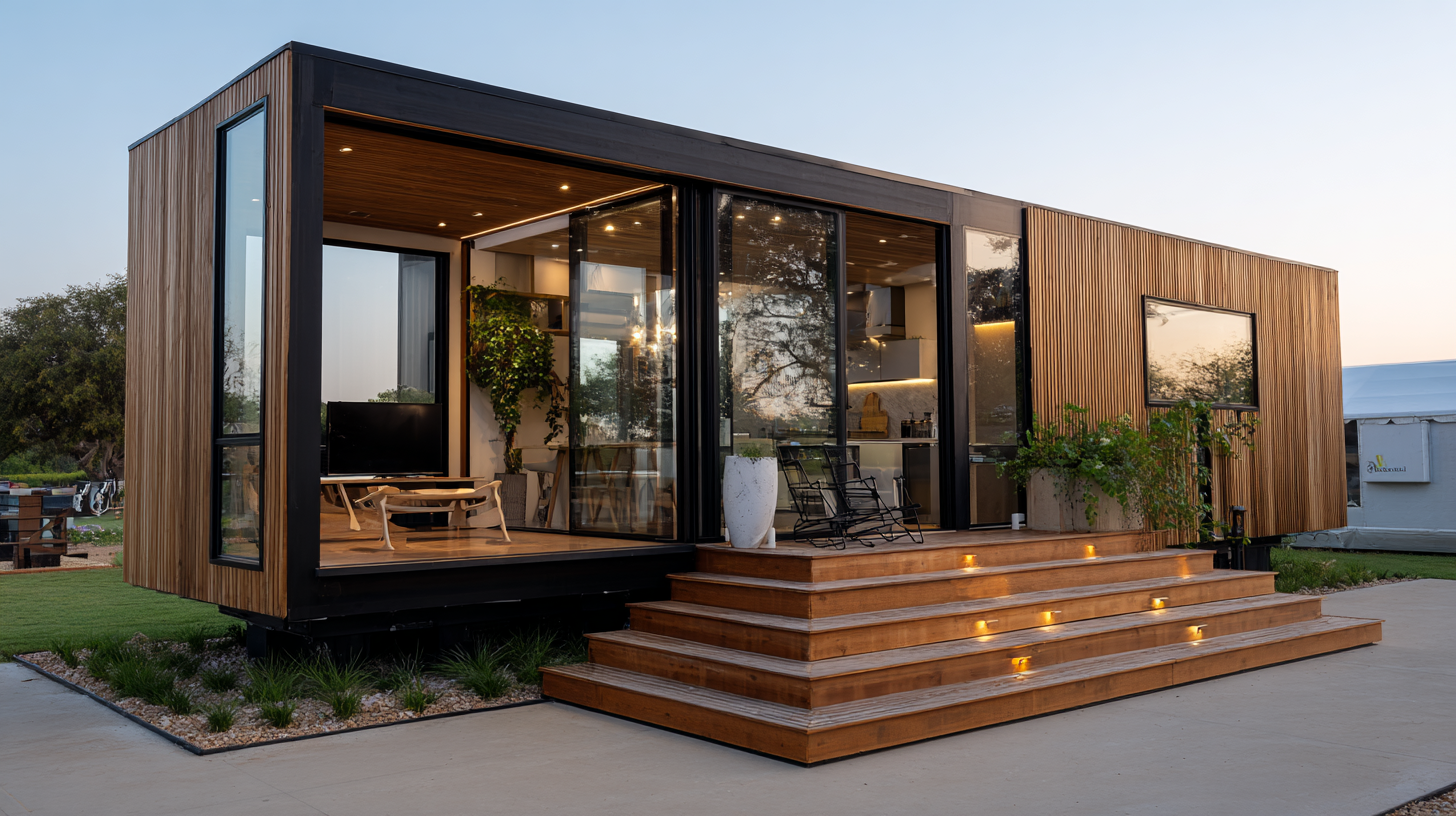
One notable design trend is the integration of renewable energy sources into modular cottages. A study by the U.S. Department of Energy highlighted that homes equipped with solar panels can reduce energy costs by up to 70%. Additionally, the use of reclaimed materials and sustainable practices in construction is becoming standard, echoing a broader commitment to green building. Features such as green roofs, rainwater harvesting systems, and energy-efficient insulation are being incorporated into these designs, aligning with the principles of sustainable living while maintaining aesthetic appeal. This synthesis of sustainability and cutting-edge design positions modular cottages as a viable solution for modern living.
Integration of Smart Technology in Modular Living Spaces
As modular cottage homes continue to gain popularity, the integration of smart technology emerges as a crucial element shaping the design and functionality of these living spaces. According to a report by Zillow, nearly 70% of home buyers consider smart home features as a significant factor in their purchasing decisions. This reflects a broader trend where technology enhances convenience, security, and energy efficiency in homes, aligning perfectly with the sustainable living ethos that modular designs embody.
Moreover, a recent survey by the National Association of Home Builders revealed that over 50% of new homes incorporate smart home technology, with features such as smart thermostats, security systems, and energy management tools. These innovations not only enrich the living experience but also contribute to reduced energy consumption and lower utility bills. In modular housing, where space optimization is paramount, smart solutions can significantly enhance the use of available square footage, offering residents a modern, eco-friendly lifestyle without compromising on comfort or functionality.
Eco-Friendly Materials and Practices in Cottage Home Construction
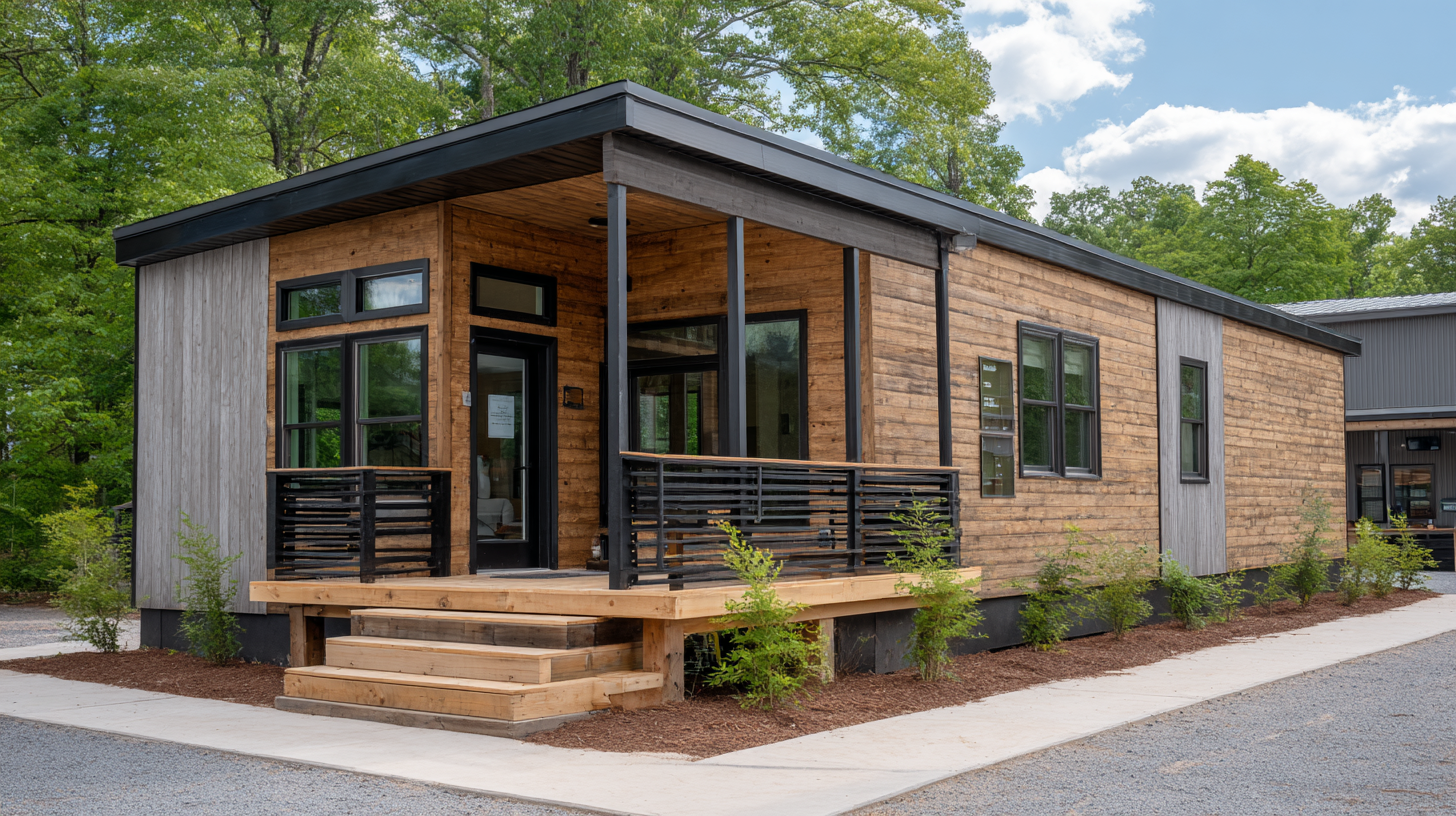
In recent years, the trend of incorporating eco-friendly materials in cottage home construction has gained significant momentum. According to the World Green Building Council, buildings account for approximately 39% of global carbon emissions, prompting the need for more sustainable practices in residential design. Modular cottage homes, with their innovative construction techniques, allow builders to use recycled and sustainably sourced materials, reducing waste and minimizing environmental impact. For instance, companies that utilize cross-laminated timber (CLT) not only reduce the carbon footprint but also enhance energy efficiency, as CLT can provide superior insulation compared to traditional materials.
Furthermore, the use of eco-friendly materials extends beyond structural components. In a study by the National Association of Home Builders, over 70% of homeowners expressed interest in using sustainable materials, such as bamboo flooring and low-VOC paints, in their home designs. These materials not only contribute to a healthier indoor environment but also meet the growing consumer demand for green living solutions. With advancements in technology and a heightened awareness of environmental issues, modular cottage homes are paving the way for a future where sustainable practices are not just an option, but a standard in home construction.
Exploring the Future of Modular Cottage Homes: Sustainable Living and Design Trends
| Feature |
Description |
Sustainability Level |
Cost Range ($) |
| Energy-Efficient Windows |
Double or triple glazed windows to reduce energy loss |
High |
2000 - 5000 |
| Reclaimed Wood |
Use of reclaimed timber for structural elements |
Medium |
1000 - 3000 |
| Solar Panels |
Installation of photovoltaic panels to harness solar energy |
High |
8000 - 15000 |
| Green Roofs |
Vegetative layer planted on roofs for insulation |
High |
5000 - 10000 |
| Low-VOC Paints |
Paints with low volatile organic compounds for better air quality |
Medium |
200 - 800 |
| Sustainable Insulation |
Insulation made from natural or recycled materials |
High |
1000 - 2500 |
The Role of Community and Collaboration in Modular Living Development
In recent years, the concept of modular cottage homes has surged in popularity, not just for their aesthetic appeal but also for their potential to foster community living. The role of collaboration within these developments is crucial; it transforms individual buyers into members of a thriving neighborhood. When communities engage in the design and planning phases, they can ensure that the homes incorporate shared spaces that promote interaction, such as communal gardens, co-working areas, and recreational facilities. This collaborative approach creates a sense of belonging and encourages sustainable practices, as residents can work together to establish communal recycling programs and collective maintenance plans.
Tips: When considering modular living, think about how you can cultivate community. Attend local planning meetings to voice your ideas, and suggest integrating shared resources like tool libraries or community kitchens. Building relationships with neighbors early on can also lead to more successful collaboration in creating spaces that reflect the collective needs and desires of the community.
Sustainability in modular living goes hand in hand with community efforts. By sharing resources, such as solar energy systems or water harvesting setups, residents can reduce their individual footprint while enhancing their lifestyle. Initiatives like community workshops for skill sharing can further strengthen these bonds, enabling residents to learn from one another while working towards common environmental goals.
Tips: Look for opportunities to participate in community events that promote sustainability, whether it's tree planting days or workshops on renewable energy sources. Connecting with others who share your passion for eco-friendly living can lead to exciting projects and innovations within your modular community.