High Frequency Power Inverter Tips for 139th Canton Fair?
The 139th Canton Fair is set to showcase innovations, with a focus on advanced manufacturing and electronic appliances. Among these innovations, high frequency power inverters stand out due to their rising demand in various industries. Reports indicate that the global inverter market is expected to grow at a CAGR of over 20% between 2023 and 2030. This growth is fueled by the increasing adoption of renewable energy solutions and energy-efficient systems.
At this fair, high frequency power inverters will play a crucial role in enhancing energy efficiency and reducing operational costs for manufacturers. They are known for compact designs and improved performance, which are vital in modern electrical applications. However, potential buyers should reflect on the different specifications and quality control of inverters. Misleading claims about efficiency sometimes arise, making it crucial to verify supplier certifications like ISO and CE.
As the fair introduces AI-driven tools for navigating suppliers, the efficiency of exploring high frequency power inverter options will significantly improve. Buyers should take advantage of this technology to identify reliable providers more effectively. Meeting the industry's evolving demands requires careful consideration and informed decisions about power inverter investments.
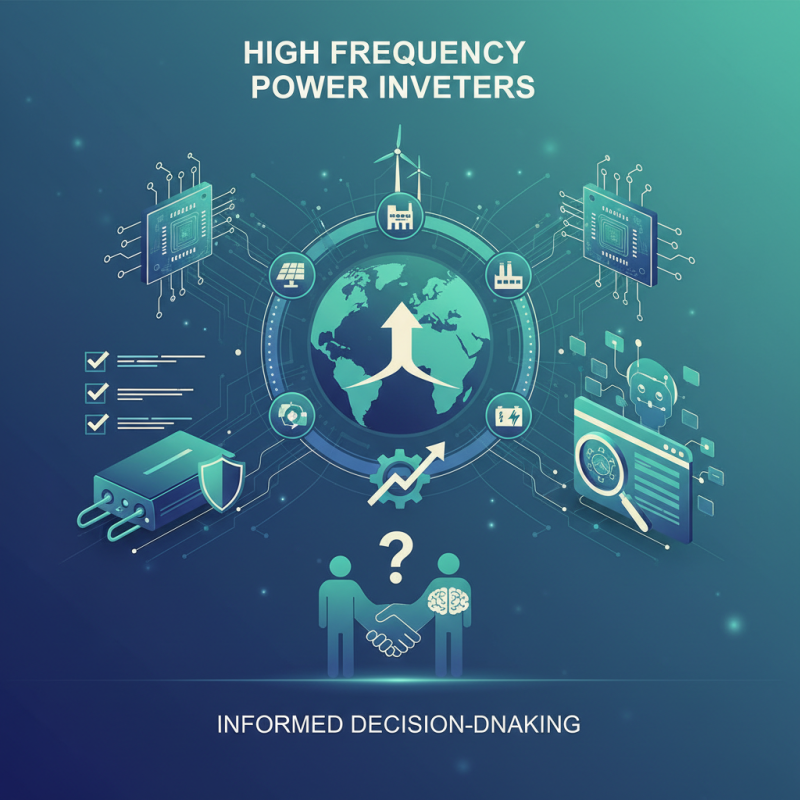
High Frequency Power Inverter Overview: Major Types and Applications
High frequency power inverters play a vital role in various applications. They convert DC power into high-frequency AC power efficiently. Major types include standalone inverters and grid-tied inverters. Standalone inverters are common for backup power and off-grid systems. Grid-tied inverters connect renewable energy sources to the utility grid, enhancing energy efficiency and reliability.
In sectors like renewable energy, these inverters are indispensable. According to a report by MarketsandMarkets, the global inverter market is projected to reach $18.9 billion by 2025. This growth highlights the increasing demand for high frequency inverters in solar power and energy storage systems. The expanding market opens up opportunities at trade events like the Canton Fair.
Tips for choosing a high frequency inverter include ensuring compatibility with your power requirements. Look for efficiency ratings above 90%. Consider the inverter’s cooling system and lifespan, as these impact performance. Always review user feedback, as this can reveal potential flaws in design. Remember, not all specifications reflect real-world performance.
High Frequency Power Inverter Applications Analysis
This chart displays the market share distribution of various applications for high frequency power inverters. Residential use leads with 35%, followed by commercial and industrial applications, demonstrating the diverse functionalities of these inverters across different sectors.
Efficiency Metrics: Understanding Power Factor and THD in Inverters
Understanding efficiency metrics is vital for high-frequency power inverter performance. Two key metrics are Power Factor (PF) and Total Harmonic Distortion (THD). Power Factor measures how effectively the inverter converts electrical power into useful work. A PF closer to 1 indicates more efficient use of power. In contrast, a PF of 0.8 suggests a 20% loss in efficiency.
THD quantifies how much the waveform deviates from a pure sine wave. A lower THD means cleaner power, which is crucial for sensitive electronics. According to industry reports, inverters with less than 5% THD are ideal for ensuring longevity in connected devices. In some cases, even a 7% THD can lead to overheating and reduced lifespan.
When participating in events like the Canton Fair, consider these insights. Focus on inverters with high PF and low THD. This can drastically improve overall system efficiency. Pay attention to cooling systems and installation practices. They can make or break an inverter's performance. Testing units under load is essential. Breakdown risk increases with poor assessment at high frequencies.
Comparative Analysis: High Frequency vs. Traditional Inverters
High frequency inverters have gained traction in recent years, primarily due to their efficiency. They can operate at frequencies above 20 kHz, allowing them to offer a more compact design. A comparative analysis reveals that high frequency inverters are often lighter and smaller than traditional ones. This portability is appealing to users who need mobility.
According to a recent industry report, high frequency inverters can achieve up to 95% efficiency. Traditional inverters often hover around 85% efficiency. The difference in efficiency can lead to significant energy savings. However, high frequency units can be more sensitive to voltage fluctuations. Users must ensure proper installation and environment to avoid potential malfunctions.
Cost is another aspect to consider. High frequency inverters tend to have a higher upfront cost. Yet, the long-term savings in energy and maintenance often compensate for this initial investment. Not everyone may find the transition easy; some might struggle with compatibility issues. These factors require careful evaluation before making a decision.
Key Features to Look for in High Frequency Inverters for Trade Shows
When choosing high frequency inverters for trade shows like the Canton Fair, focus on key features. Efficiency is crucial. Look for inverters that convert energy with minimal loss. This ensures smooth operation of your displays or equipment.
Portability matters too. Lightweight designs allow you to move inverters easily. Consider units with built-in handles or compact structures. This can save you packing space and make setup faster. Don't forget about power output. Inverters should provide sufficient wattage for your needs. Check the specifications against your equipment requirements.
Safety features are non-negotiable. Look for inverters with overload protection and short circuit prevention. These features can prevent accidents and equipment damage. It's worth noting that not all inverters are user-friendly. Some models can be tricky to operate. You may need to invest time in learning their functions.
Market Trends: The Demand for Inverters in the Renewable Energy Sector
The renewable energy sector is rapidly evolving. Inverters are essential for converting DC power to AC power. A recent report by the International Energy Agency indicates that global demand for inverters is expected to grow by 20% annually through 2025. This surge in demand is driven by solar and wind energy installations.
Many manufacturers are navigating challenges in this booming market. High-frequency power inverters are becoming more popular due to their efficiency. However, some companies face supply chain issues. This can lead to delays and increased costs. According to research, only 15% of manufacturers feel confident about sourcing components.
Customers are becoming more knowledgeable about inverter technology. They seek out products that offer greater reliability and efficiency. It’s crucial for suppliers to understand these market dynamics. With the right strategies, businesses can thrive in this competitive landscape. However, many still need to adjust to the changing demands of eco-conscious consumers.