What is Modular Building and Its Importance in Modern Construction?
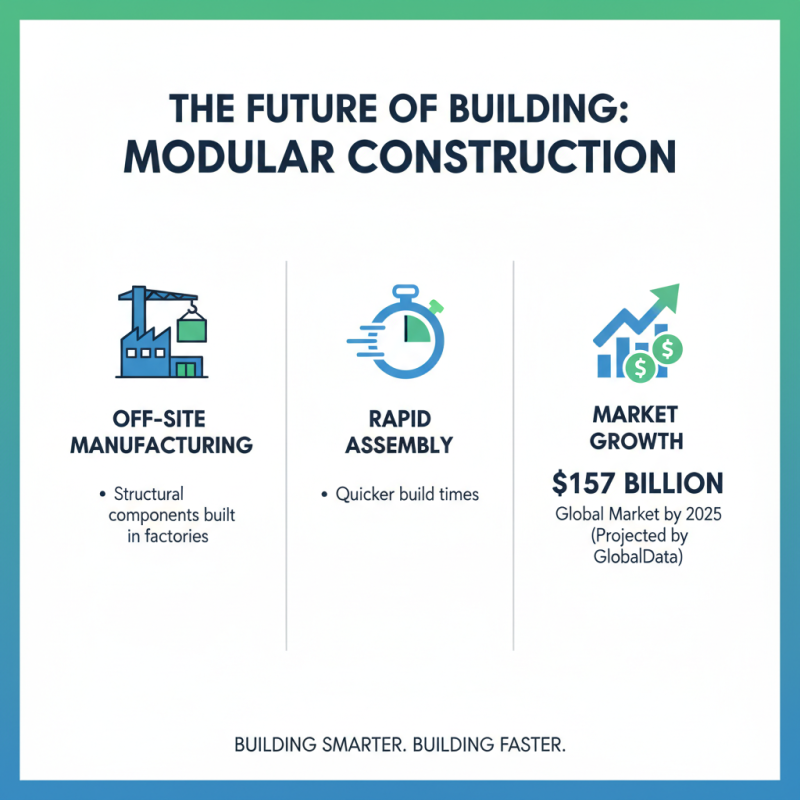
Modular building is reshaping the construction landscape. This innovative approach involves prefabricating sections off-site and assembling them on location. According to a report by Grand View Research, the modular construction market size is expected to reach $157 billion by 2023, highlighting its growing significance.
Efficiency is a key advantage of modular building. Projects can be completed in half the time of traditional construction methods. However, some may question the quality of prefabricated structures. It is essential to ensure that modular buildings meet the same standards as conventional ones. Reports indicate that with proper oversight, modular buildings can be as durable and energy-efficient.
Despite its benefits, modular building faces challenges. Limited public awareness and regulatory hurdles can slow adoption. Approximately 60% of construction professionals express concerns about misconceptions regarding modular quality. To realize its potential, the industry must address these issues and enhance education about modular building. As we progress, reflection on these challenges will guide future innovations.
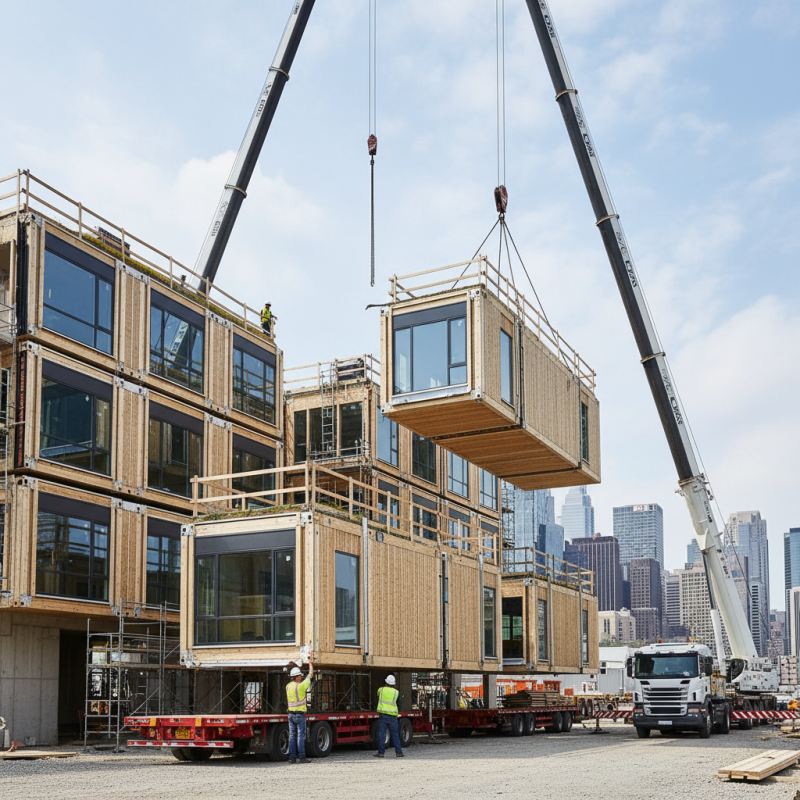
Definition of Modular Building: An Overview
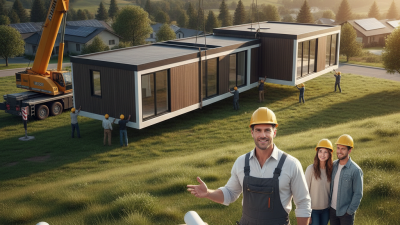
Modular building refers to a construction method where structures are prefabricated in sections, or modules, off-site. These modules are then transported and assembled on-site. This approach allows for greater efficiency and reduces waste in construction. According to a study by McGraw Hill, around 44% of contractors reported that modular construction improved project timelines by up to 50%.
The importance of modular building in modern construction cannot be overstated. It provides a solution to housing shortages and offers flexibility in design. A report from the National Institute of Building Sciences indicates that modular construction can save up to 20% in labor costs. However, challenges remain. Some projects face delays in transportation or difficulties in site alignment. These issues can overshadow the benefits that modular construction offers.
Efficiency also comes with its drawbacks. Not all modular solutions suit every site, and local building regulations may complicate matters. Furthermore, not every contractor is equipped to handle modular construction. Despite these obstacles, the potential of modular building in addressing housing crises and sustainable construction is significant. The industry continues to evolve, seeking to refine processes and overcome hurdles.
Key Components of Modular Construction
Modular construction
is a game changer in the building industry.
It consists of prefabricated sections called modules.
These modules are built off-site and assembled on location.
This method speeds up the construction process significantly. Workers can complete projects in less time than traditional methods.
However, challenges exist. Coordination between various teams is crucial. Miscommunication can lead to delays and errors.
Key components of modular construction include
design flexibility,
sustainable materials, and
energy efficiency.
Designers can create unique structures that meet various needs. Each module can be customized, allowing for innovative layouts.
Sustainable materials reduce the environmental impact. Many components are reusable, promoting green building practices.
However, finding the right materials can sometimes be difficult. Not all materials are compatible with modular designs.
Energy efficiency
is a vital aspect. Modular buildings often include advanced insulation and energy-efficient systems.
These can lower utility costs for occupants. Yet, achieving optimal energy efficiency requires careful planning.
Overlooking minor details can lead to energy waste. Overall, modular construction offers many benefits but demands thoughtful execution.
Benefits of Modular Building in Modern Construction
Modular building has emerged as a significant innovation in modern construction. It allows for the creation of structures in a more efficient and sustainable way. According to recent industry reports, modular construction can reduce building time by up to 50%. This efficiency means projects can be completed faster, addressing urgent housing and infrastructure needs in many communities.
Cost savings are another key advantage. A study from McKinsey suggests that modular projects can be 20% cheaper than traditional methods. This is largely due to reduced labor costs and increased precision in manufacturing. However, challenges exist. Not all modular units fit together seamlessly, which can lead to complications on site. Builders must plan meticulously to avoid delays.
Sustainability is also an important factor. Modular buildings often operate with reduced waste. The National Institute of Standards and Technology (NIST) found that modular approaches can minimize construction waste by up to 30%. More companies are recognizing the need to balance efficiency with environmental responsibility. Yet, some still cling to traditional methods, hesitant to embrace innovation. This reluctance can be a barrier to progress in the construction industry.
Challenges and Limitations of Modular Building
Modular building offers a unique approach to construction, but it faces notable challenges. One significant issue is the perception that modular buildings lack high-quality standards. A report from the Modular Building Institute indicates that while 81% of builders recognize quality is critical, only 58% believe modular structures meet those standards. This discrepancy leads to hesitance in adoption among developers.
Another challenge is the limited design flexibility in modular construction. Most modules have predefined dimensions, restricting creative architectural solutions. A research paper published in the Journal of Facilities Management notes that 65% of architects feel constrained by modular's build formats. This limitation may deter innovative projects that require bespoke designs.
Additionally, transportation logistics can complicate the process. Moving large modular units can create delays and add costs. A recent industry analysis highlighted that transportation issues contribute to a 20% increase in project timelines for modular builds. Addressing these challenges requires ongoing reflection and innovation in the modular construction sector.