What is Modular Construction and How Does It Revolutionize Building Techniques
Modular construction is transforming the landscape of the building industry, offering innovative solutions that prioritize efficiency, sustainability, and cost-effectiveness. According to a report by the Modular Building Institute, the modular construction market is expected to grow at a compound annual growth rate (CAGR) of 6.5% from 2021 to 2026, reflecting a significant shift in how structures are designed, manufactured, and assembled. In an age where rapid urbanization and housing shortages are pressing issues, modular construction presents an effective alternative, promising reduced construction time by up to 50% compared to traditional methods.
Experts in the field are highlighting the benefits of this approach. Dr. Sarah Williams, a prominent figure in modular design research, states, “Modular construction not only accelerates the building process but also minimizes waste and enhances quality control, making it a viable solution for the future of construction.” Her insights underline the growing recognition that modular construction can meet the demands of modern society while contributing to sustainable development goals. As this innovative technique gains momentum, it is poised to revolutionize the industry, offering new avenues for collaboration, efficiency, and progress.
Definition of Modular Construction and Its Key Features
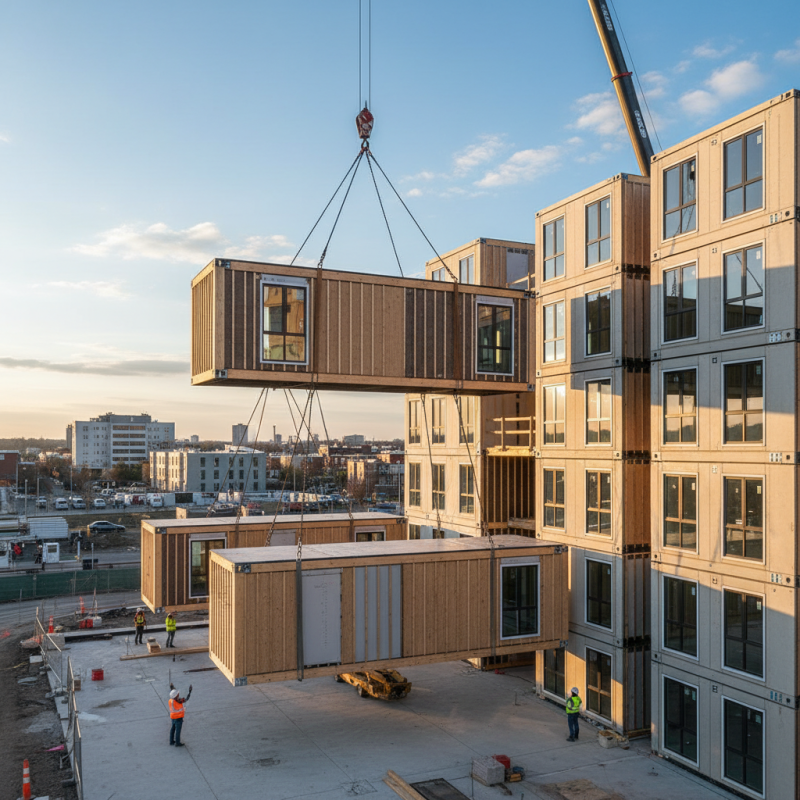
Modular construction is an innovative building method where structures are assembled off-site in modules and then transported to the final site for installation. This technique has gained traction due to its efficiency in construction timelines and cost savings. According to a report by McKinsey & Company, modular construction can reduce construction times by up to 50%, enabling projects to be completed faster than traditional construction methods. This is particularly beneficial in addressing urgent housing shortages and facilitating rapid urban development.
The key features of modular construction include prefabrication, versatility, and sustainability. Prefabricated components are manufactured in controlled factory environments, ensuring higher quality and reduced waste. Flexible designs allow for various building types, from residential to commercial. Moreover, a report from the World Economic Forum highlights that modular construction can lower carbon footprints by up to 67% compared to conventional methods, as it utilizes fewer materials and generates less waste on-site. Overall, these characteristics position modular construction as a groundbreaking approach to modern building techniques, making it an appealing option for developers and city planners alike.
Historical Development of Modular Construction Techniques
Modular construction has seen a remarkable evolution since its inception, tracing back to the early 20th century. Initially, it gained traction during the post-World War II housing boom, as rapid urbanization led to an urgent need for affordable housing solutions. Reports show that in the 1950s and 60s, modular building techniques were largely used to create temporary and permanent homes, often utilizing prefabricated components to expedite construction. According to a McKinsey & Company report, modular construction can reduce project delivery times by up to 50% compared to traditional methods, making it a compelling choice in today's fast-paced construction environment.
The late 20th century marked a shift toward more sophisticated modular techniques, bolstered by advances in technology and materials. The use of computer-aided design (CAD) and lean manufacturing principles has allowed for increased precision in prefabrication, resulting in structures that are not only quicker to build but also more energy-efficient and sustainable. A report from the National Institute of Standards and Technology indicates that modular construction can lower overall waste by 30% due to improved planning and material handling processes.
Tips: Embrace technology in your modular projects. Leveraging tools like Building Information Modeling (BIM) can enhance collaboration and streamline workflow between teams. Additionally, considering the environmental impact of your materials can further elevate the sustainability aspect of your project. By focusing on these innovative practices, stakeholders can harness the full potential of modular construction.
Historical Development of Modular Construction Techniques
This chart represents the timeline of significant milestones in modular construction from its inception to recent advancements. Each bar indicates the year and the corresponding development in modular techniques.
Benefits of Modular Construction Compared to Traditional Methods
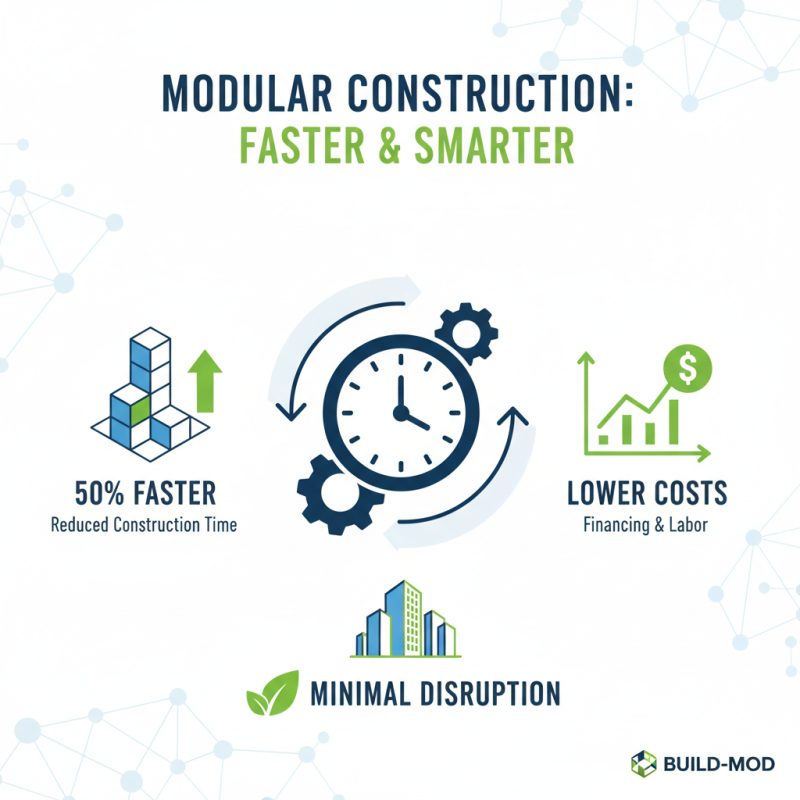
Modular construction is rapidly changing the landscape of the building industry by offering numerous advantages over traditional construction methods. One of the most significant benefits is the reduction in construction time. According to a report by McKinsey & Company, modular projects can be completed up to 50% faster than conventional building projects. This accelerated timeline not only helps in meeting market demands more swiftly but also reduces financing costs and minimizes the disruption to the surrounding environment during construction.
In addition to time efficiency, modular construction presents substantial financial benefits. A study from the National Institute of Standards and Technology found that modular construction can reduce overall project costs by about 20% due to lower labor expenses and reduced waste. The controlled factory environment allows for consistent quality and fewer delays caused by weather or labor shortages, which are common in traditional construction. Furthermore, the modular approach promotes sustainability by reducing waste generated on-site by up to 90%, aligning with the industry's increasing emphasis on eco-friendly practices. With these compelling advantages, modular construction is setting new standards in the building sector.
Challenges and Solutions in Implementing Modular Construction
Implementing modular construction presents several challenges that must be addressed for successful project execution. One significant issue is the initial perception and acceptance within the traditional construction industry. Many stakeholders are unfamiliar with modular methods and may be resistant to changing established practices. To mitigate this, education and awareness programs can be developed, highlighting the benefits of modular construction, such as efficiency, cost-effectiveness, and sustainability. Engaging with industry professionals through workshops or collaborative projects can help break down barriers and build confidence in this innovative approach.
Another challenge lies in the coordination and logistics of transporting modular units from the factory to the construction site. Efficient handling and scheduling are crucial to prevent delays and additional costs. Solutions can include strategic planning of transportation routes, utilizing technology for real-time logistics tracking, and investing in specialized vehicles designed to handle modular units. Additionally, establishing strong communication channels among all parties involved can facilitate smoother transitions between manufacturing and on-site assembly, ensuring that the advantages of modular construction are fully realized.
What is Modular Construction and How Does It Revolutionize Building Techniques - Challenges and Solutions in Implementing Modular Construction
| Feature |
Description |
Benefits |
Challenges |
Solutions |
| Factory-built Modules |
Components are constructed off-site in a controlled factory environment. |
Increased quality control and faster construction time. |
Transportation logistics and site preparation. |
Careful planning and local partnerships for logistics optimization. |
| Design Flexibility |
Modules can be custom-designed to meet specific needs. |
Ability to create unique structures efficiently. |
Limited design scope can lead to standardization. |
Use of advanced design software to enhance customization. |
| Sustainability |
Reduced waste and energy consumption during construction. |
Lower environmental impact compared to traditional building methods. |
Sourcing sustainable materials can be challenging. |
Establishing partnerships with green suppliers. |
| Labor Efficiency |
Requires skilled labor for assembly rather than traditional trades. |
Shorter labor time on-site. |
Dependency on existing skilled labor force can be a hurdle. |
Training programs to upskill workers in modular techniques. |
| Time Efficiency |
Concurrently builds site preparation and module fabrication. |
Significantly reduces overall project timeline. |
Adverse weather can disrupt construction timelines. |
Use of climate-controlled environments during module construction. |
Future Trends and Innovations in Modular Building Practices
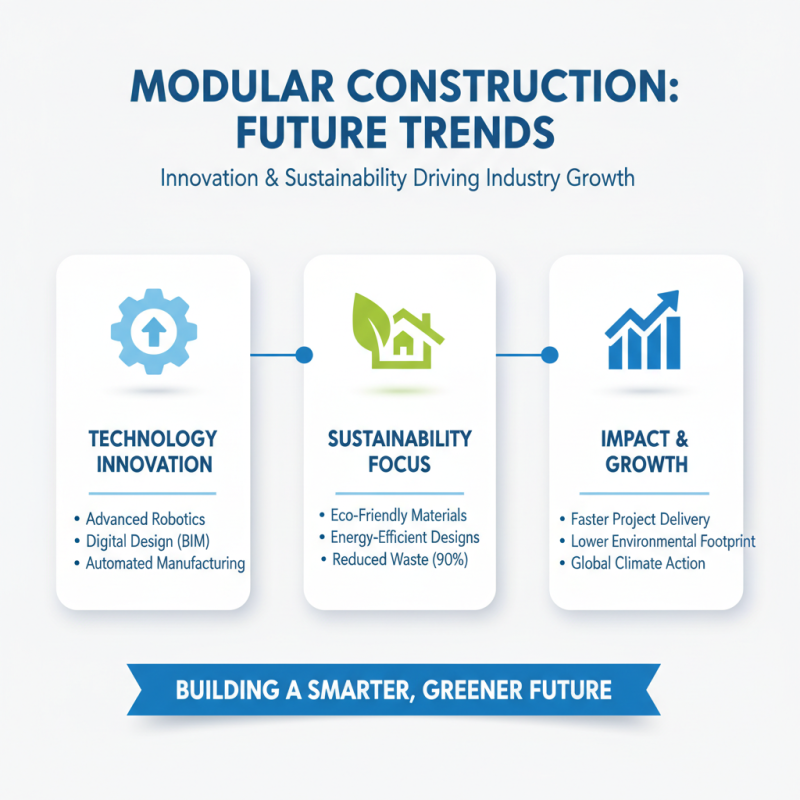
The modular construction industry is experiencing rapid growth, driven by advancements in technology and innovative building practices. Future trends indicate a shift towards greater sustainability, with manufacturers increasingly focusing on eco-friendly materials and energy-efficient designs. This transformation not only enhances building performance but also significantly reduces construction waste, aligning with global efforts to combat climate change.
One of the most exciting innovations in modular building practices is the integration of smart technology. Buildings can now be equipped with connected systems that optimize energy usage and enhance overall functionality. These systems provide real-time data about energy consumption and environmental conditions, empowering builders and occupants alike to make informed decisions.
Tips: When considering modular construction, prioritize collaboration among all stakeholders from the onset. Early engagement can uncover potential challenges and streamline the building process. Additionally, exploring advanced software for project management can enhance efficiency and ensure better communication throughout the construction phase. By adopting these practices, you can maximize the benefits of modular building and contribute to a more sustainable future.