Modular Home Cost Best Value Options for Global Buyers?
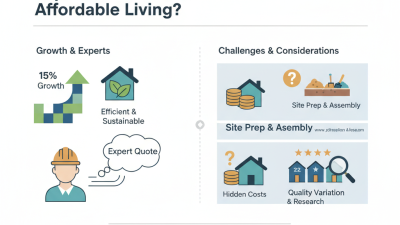
The modular home cost landscape is evolving rapidly, offering new opportunities for buyers worldwide. According to Dr. Emily Hart, an expert in sustainable housing, “The modular approach can significantly reduce costs while maintaining quality.” This perspective is crucial as global homeowners seek value in their investments.
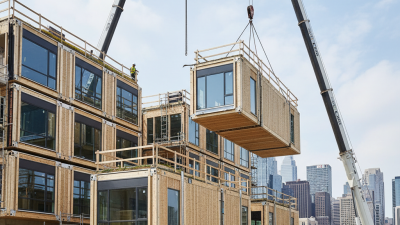
Modular homes, built in sections, allow for efficiency in construction. This method offers more predictable costs and shorter build times. Buyers must navigate various options: from basic models to luxury designs, impacting the overall modular home cost. Each choice reflects personal needs and budget constraints.
However, buyers need to be cautious. Not all modular homes are created equal. Some may skimp on materials, leading to unforeseen expenses later. Researching companies and understanding the costs can help avoid future regrets. Making an informed decision in this evolving market requires diligence and critical evaluation of each option available.
Understanding Modular Homes: A Comprehensive Overview
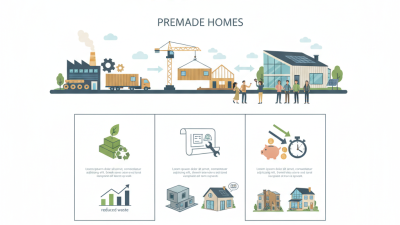
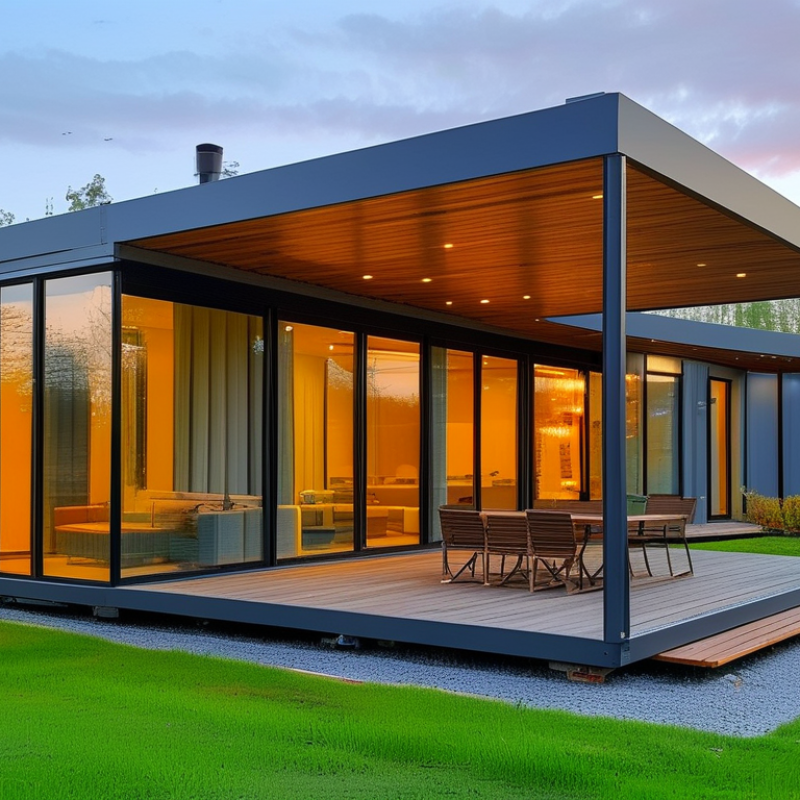
Modular homes offer a flexible solution for modern living. These structures are constructed in sections in a factory, then assembled on-site. This method can save time and reduce waste. The process is efficient, yet it may raise concerns about quality. Buyers should inspect homes before purchasing.
When considering modular homes, think about the layout and design options. Many manufacturers provide customizable plans. Your choice can significantly affect cost and comfort. Choose designs that maximize space and natural light. This creates an inviting environment that enhances daily living.
Pay attention to local building codes. They may differ greatly among regions. Compliance ensures safety and structural integrity. Understanding the regulations can save you from costly adjustments later. Explore various financing options available for modular homes. This can lead to the best value without stretching your budget.
Factors Influencing Modular Home Costs Globally
The cost of modular homes varies significantly across different markets, influenced by various factors. According to industry reports, global modular home costs can range from $83 to $250 per square foot. In North America, regional variations exist, with costs often rising in urban areas due to land prices and demand. In Europe, stricter building codes can also drive costs up, sometimes exceeding expectations.
One key factor is material quality. Higher-quality materials increase initial costs but may lower long-term maintenance expenses. A thorough analysis by the Modular Building Institute revealed that choosing sustainable materials could enhance the resale value of a modular home. However, buyers must weigh these benefits against their budgets. In emerging markets, labor costs are lower, which can make modular homes more affordable.
Transportation costs also play a role, especially for international buyers. Shipping modular units across borders can be expensive. Local labor to assemble the modules adds another layer of cost. Some buyers overlook these hidden expenses, leading to financial strain later. It’s crucial for potential owners to conduct in-depth research before making decisions. Understanding the nuances impacting modular home costs can help buyers find the best value options in their respective markets.
Modular Home Cost Best Value Options for Global Buyers? - Factors Influencing Modular Home Costs Globally
| Country |
Average Cost per Square Foot (USD) |
Construction Time (Months) |
Common Features |
Market Demand Level |
| United States |
$100 - $200 |
4-6 |
Eco-friendly materials, energy-efficient systems |
High |
| Canada |
$120 - $250 |
5-7 |
Climate-resistant designs, high insulation |
Moderate |
| Germany |
€800 - €1,500 |
3-5 |
Sustainable materials, modern design |
High |
| Australia |
AUD 1,000 - AUD 2,000 |
4-8 |
Open plan living, durable materials |
High |
| Japan |
¥150,000 - ¥300,000 |
6-10 |
Compact design, advanced technology |
Moderate |
Comparative Analysis of Modular Home Pricing Options
The growing popularity of modular homes has attracted global buyers seeking affordable housing solutions. A comparative analysis of pricing options reveals a spectrum of choices, from basic models to fully customized luxury designs. Various factors influence cost, such as size, materials, and design features. Prices can vary significantly between regions and manufacturers, making it essential for buyers to conduct thorough research.
Understanding the local market is crucial. Buyers should compare similar models to assess the true value. It is advisable to factor in delivery and installation costs when budgeting. Some modular home companies offer financing options, making homes more accessible. However, potential buyers must read the fine print. Hidden fees can emerge, affecting the overall cost.
Pay attention to the quality of materials used. Lower-priced homes may use subpar components, leading to higher maintenance costs in the long run. Inspecting models is beneficial. Engaging with experienced home inspectors can provide deeper insights into quality and structure. Reflecting on personal priorities is vital. Decide if low cost or lasting quality matters more. Making a well-rounded choice could save you time and money in your home-buying journey.
Best Value Modular Home Designs for Different Budgets
When considering modular home designs, it's important to match your choices with your budget. Various options exist for those looking for affordable yet stylish solutions. Minimalist designs often work well in smaller spaces. They can be both cost-effective and elegant. Embracing open floor plans maximizes space and reduces construction costs.
Choosing durable materials can enhance long-term value. Look for options that require minimal maintenance to save money over time. Energy-efficient designs can lead to lower utility bills. In regions with extreme weather, insulated modules offer added protection. This can seem like an initial investment but pays off in the long run.
Consider the local climate when selecting your modular home design. For example, if you live in a humid area, prioritize ventilation. It's easy to overlook these elements, but they are crucial for comfort. Always weigh aesthetic appeal against practicality. Balancing style with functionality can sometimes be tricky. Evaluating your specific needs is key to making the best choice.
Future Trends in Modular Home Construction and Affordability
Future trends in modular home construction show promise for affordability and sustainability. As more consumers seek efficient housing, the modular market expands. Innovations in technology drive down costs and improve quality. Sustainable materials are now widely used, making homes both eco-friendly and affordable.
As a buyer, consider local regulations and the available financing options. Research building codes specific to your area. Understanding these can save time and money. Engage with local developers to find projects that align with your budget and preferences.
Another essential factor is to evaluate the long-term value of modular homes. They often come with warranties that can reduce maintenance costs. While some might see modular options as less prestigious, their growing popularity shows a shift in perception. Opting for modular can provide a modern aesthetic while adhering to a careful budget.