What is a Modular Home Kit and How Does it Work?
Modular home kits are transforming the housing market. These kits provide a unique, efficient way to build homes. As industry expert John Smith states, "Modular homes offer a practical solution for modern living." They combine affordability with flexibility.
The process starts with pre-fabricated components. These kits are designed for easy assembly on-site. Buyers can customize their homes while saving time and labor costs. However, some potential homeowners face challenges with zoning regulations and financing options.
Moreover, the quality of materials can vary significantly across manufacturers. Prospective buyers should conduct thorough research. Modular home kits simplify construction but require careful consideration. Balancing convenience and quality is essential for a successful build.
What is a Modular Home Kit?
A modular home kit is a unique construction option. It consists of pre-manufactured sections that are built in a factory. Once completed, these sections are transported to the intended site. Assembling a modular home can be quicker than traditional building methods. However, it requires careful planning to ensure everything fits together perfectly.
Inside a modular home kit, you will find various components. These include walls, roofing, and sometimes even electrical systems. Each element is designed to meet specific standards. The beauty of this system is the speed at which it can be raised. Yet, not all kits come with detailed instructions. This can lead to confusion during the assembly process. Homeowners should consider hiring skilled workers to assist with the construction.
Another aspect of modular home kits is customization. While many kits offer standard designs, personal touches can often be added. Homeowners may struggle with choices about layout and finishes. It’s crucial to balance functionality with aesthetics. In the end, a modular home kit can be a fantastic choice, but it requires diligence and thoughtful planning.
Components of a Modular Home Kit
A modular home kit is an innovative solution for
building homes efficiently. These kits typically include various components that simplify the construction process.
The main elements consist of pre-fabricated sections, known as
modules, which are built in a factory setting. This approach allows for precise measurements and reduces waste.
Each module arrives on-site ready for assembly, saving both time and resources.
Along with the modules, essential components such as framing, roofing, and insulation are included.
These parts are designed to fit together seamlessly. Electrical wiring and plumbing systems are often
pre-installed, allowing for quick connections. However, it's crucial to review these systems thoroughly,
as unforeseen issues can arise. Additionally, you may need to consider local building codes that could
complicate installation.
Installation typically requires a foundation and skilled labor. While the DIY approach is appealing,
it can lead to challenges. Ensuring proper alignment and structural integrity is vital.
Improper installation can pose risks later on. Reflection on each step is important in the assembly
process, as small mistakes can have significant consequences.
The Assembly Process of Modular Home Kits
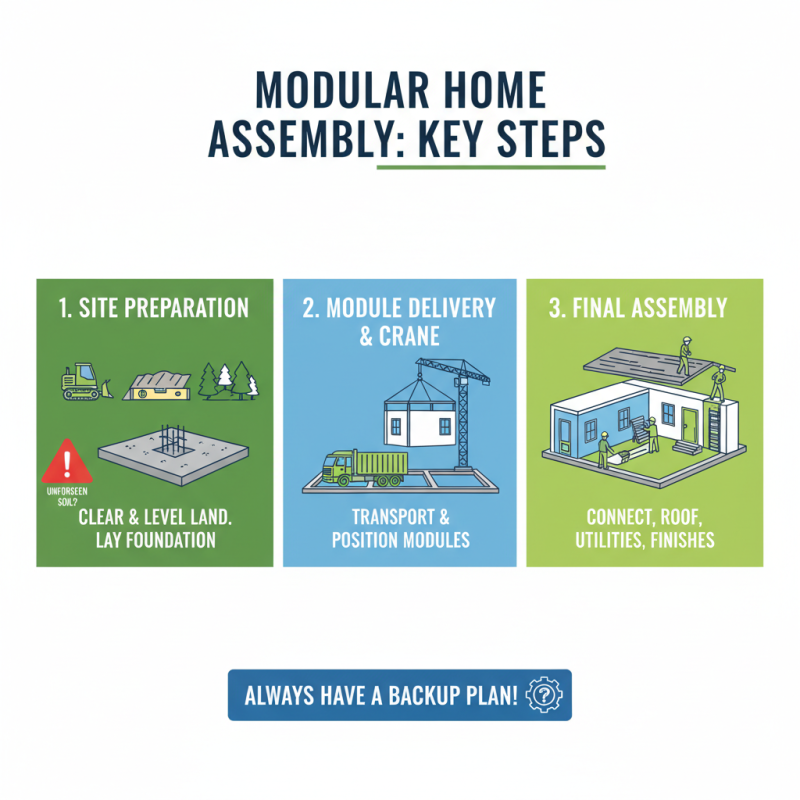
When assembling a modular home kit, understanding the process is essential. The assembly usually starts with site preparation. Clear the land, level the ground, and lay a foundation. This part can be tricky. Unforeseen issues may arise, like unexpected soil conditions. Always have a backup plan.
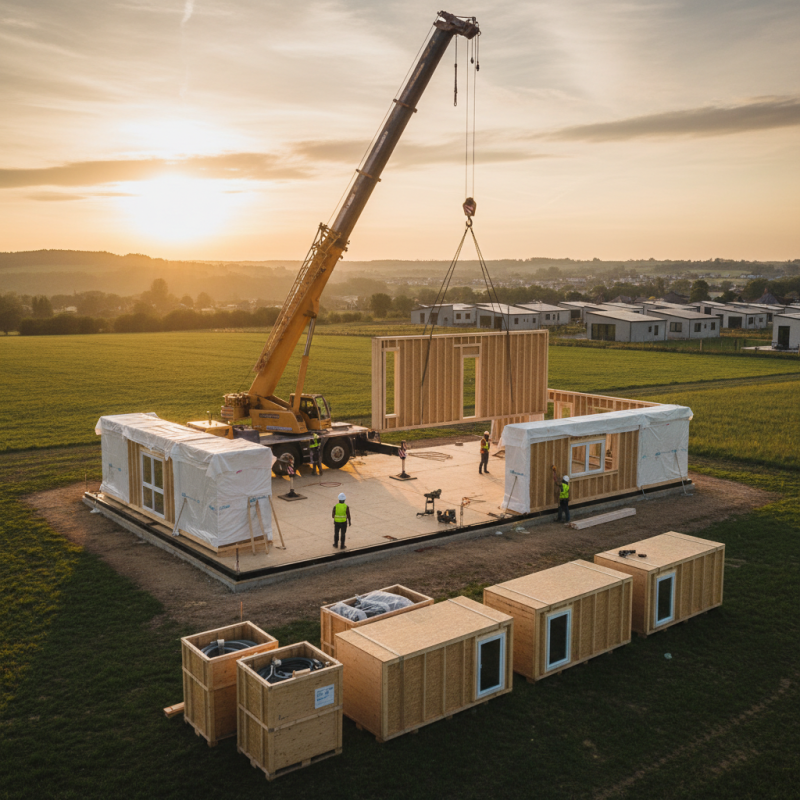
After the foundation is ready, the sections of the modular home are transported and placed on the prepared site. Crane equipment often lifts these heavy sections. It’s fascinating how these huge pieces come together. Some assembly may involve screws and brackets. While this sounds straightforward, certain parts may fit poorly, causing delays. Measure twice, install once—this mantra holds true here.
Tips: Organize your tools ahead of time. It speeds up the assembly. Always check the weather before starting work. Rain can complicate many tasks. Even a minor mistake can lead to significant rework later, so take your time and ensure accuracy. Be patient; troubleshooting might take longer than expected.
Advantages of Modular Home Kits
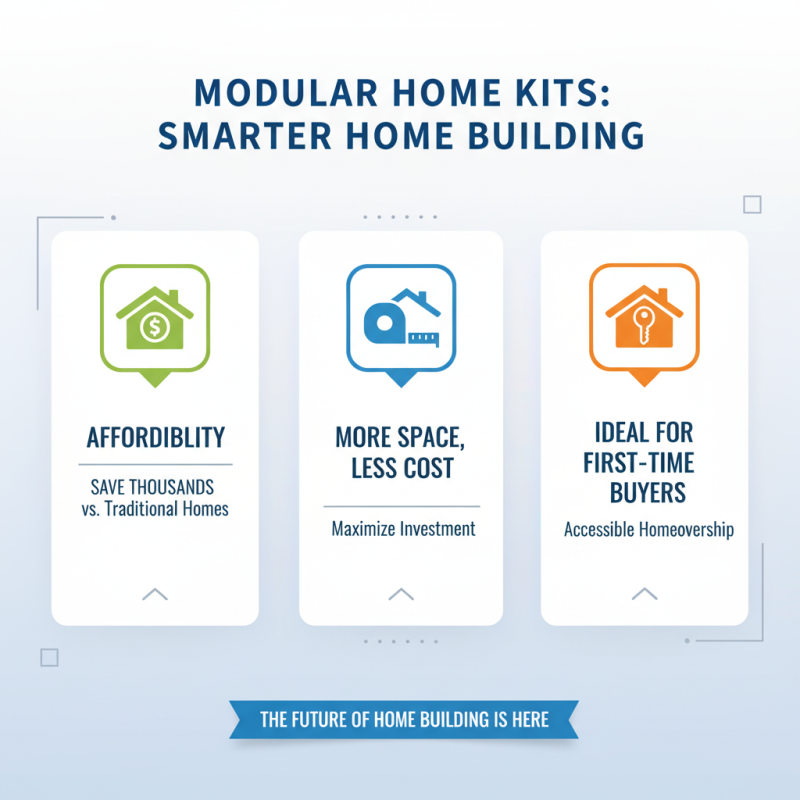
Modular home kits are increasingly popular. They offer a unique approach to home building. One major advantage is affordability. These kits can save thousands compared to traditional homes. Homeowners often find they can achieve more space for less investment. This is particularly attractive for first-time buyers.
Another benefit is time efficiency. Unlike conventional construction, modular homes are built in a factory setting. This means fewer delays due to weather. Once on-site, assembly typically takes only a few weeks. However, challenges may arise. Some buyers report issues with local zoning regulations. Others may struggle with the design limitations of the kits.
Customization is also a key topic. Many kits allow for some personalization. Yet, the options are still finite compared to custom builds. This might leave some feeling boxed in. It’s essential to weigh these aspects before deciding. Overall, modular kits provide a fresh take on homeownership. Balancing cost and creative needs is crucial in this journey.
Considerations When Choosing a Modular Home Kit
When choosing a modular home kit, consider your specific needs. These kits come in various styles and sizes. Think about how many rooms you need. An open layout may work for a family, while a compact design could suit singles or couples better.
Budget is also crucial. Modular homes often appear budget-friendly, but hidden costs may arise. Foundation work and site preparation can add extra expenses. It's important to look at the full picture. Inspect the materials used in the kit. Some kits use cheaper materials to lower costs, which may lead to long-term issues.
Check local regulations carefully. Zoning laws can affect where you build. Building codes may require certain standards. These can complicate your project. Take the time to review all details. Don’t rush into a decision you might regret later. Each choice you make contributes to your future living space.