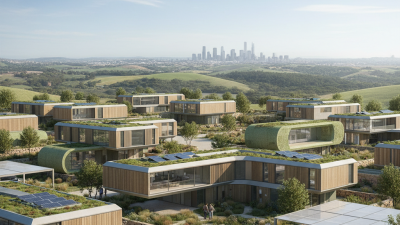
Explore Modular Homes at China Import and Export Fair 2026?
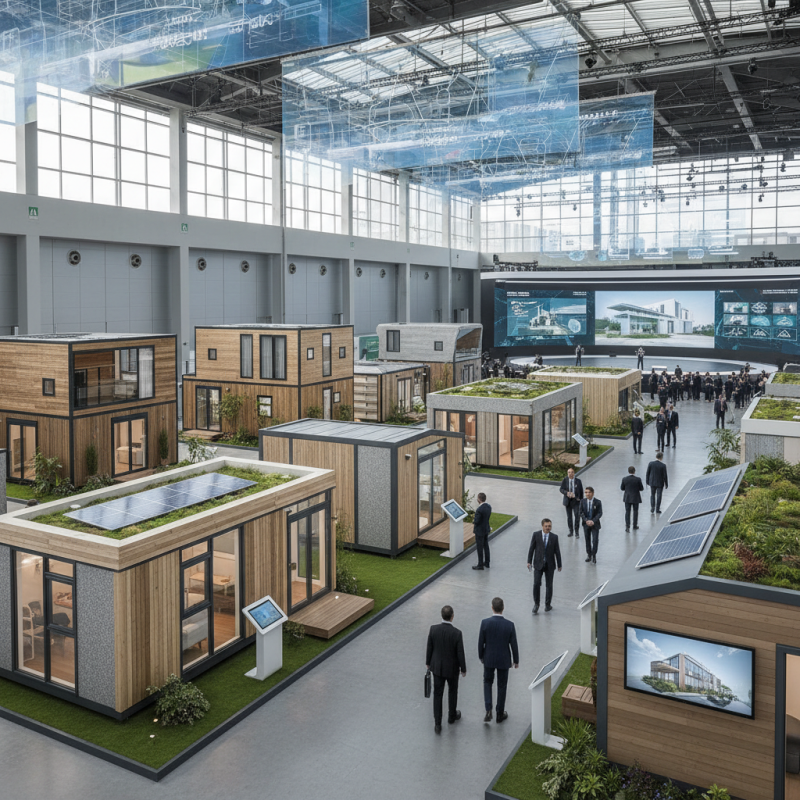
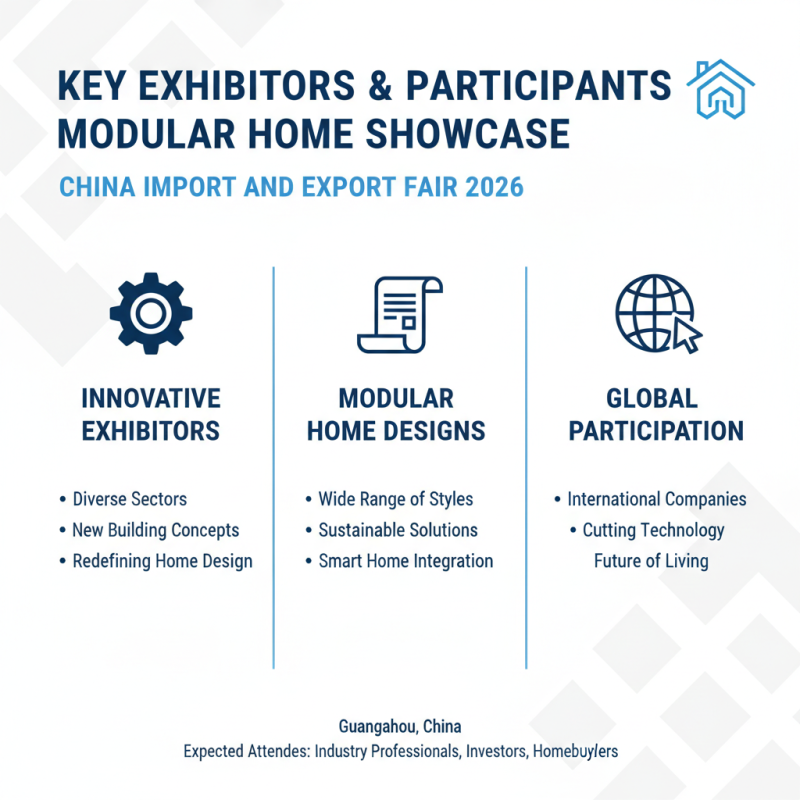
The China Import and Export Fair in 2026 will be a significant event for showcasing modular homes. This trade fair, taking place in Guangzhou, will feature advanced materials and innovative construction techniques. With an expected attendance of international buyers, the focus will be on modular homes as a sustainable housing solution.
Modular homes offer various advantages, including reduced construction time and lower costs. They provide flexibility in design and can be customized to meet specific needs. However, the industry still faces challenges, such as public perception and regulatory hurdles.
The fair will introduce AI features to enhance the experience for exhibitors and visitors. Attendees can easily navigate the vast exhibition space, exploring the latest in modular home technology. However, it remains crucial to reflect on how these innovations can meet diverse market demands effectively.
Overview of Modular Homes and Their Benefits
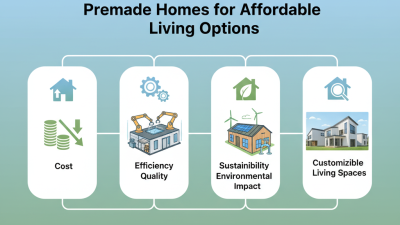
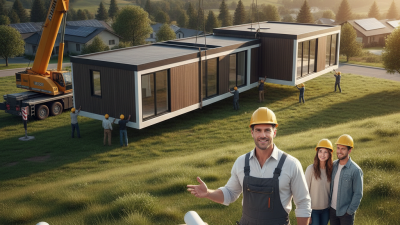
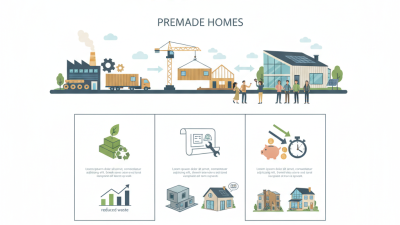
Modular homes are gaining popularity for their unique qualities. They are constructed in sections, or modules, in a factory setting. Afterward, these sections are transported and assembled on-site. This process can significantly reduce construction time and costs, making them an appealing option for many buyers.
One of the key benefits is the ability to customize. Homeowners can choose layouts, materials, and finishes that suit their needs. However, some may find it challenging to visualize the final product. Modular homes often require careful planning to ensure that every detail meets the homeowner's expectations. Additionally, energy efficiency is a major advantage; modular homes are often built with sustainable materials and methods.
While modular homes can be a solution to housing shortages, there are still concerns. Some people worry about quality and longevity. Homes built in factories may sometimes face issues related to environmental factors or local regulations. It’s essential for potential buyers to conduct thorough research and consider these factors before making a purchase.
Significance of the China Import and Export Fair in 2026
The China Import and Export Fair, commonly known as the Canton Fair, is a vital platform for international trade. In 2026, it holds even greater significance. This event showcases the latest trends in modular homes, reflecting the growing demand for innovative housing solutions. Many seekers of modern living will find a variety of designs that highlight
sustainability and efficiency.
Attending the fair provides valuable opportunities for networking. Exhibitors and buyers gather to discuss potential collaborations. Yet, not every interaction leads to fruitful partnerships. There might be misunderstandings or missed opportunities. Such challenges remind participants to refine their approach. Each experience offers lessons to improve future efforts, build lasting connections, and innovate.
The 2026 event also raises awareness about current housing issues. While modular homes present promising solutions, there are hurdles to overcome. Quality and safety remain major concerns for both manufacturers and consumers. Conversations around these topics will drive industry advancements. Engaging in these discussions at the fair is essential for progress. This year’s fair not only highlights products but sparks necessary dialogues for the future of housing.
Innovations in Modular Home Design and Technology
Modular homes are gaining attention for their innovative design and technology. At the upcoming China Import and Export Fair 2026, visitors can witness these advancements firsthand. Modular construction simplifies the building process, often reducing time and costs. According to a recent industry report, modular homes can be built 30% faster than traditional homes, which resonates with the fast-paced market demands.
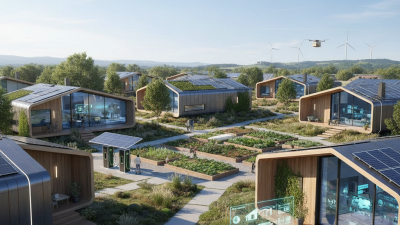
Recent trends show that modular homes utilize sustainable materials and smart technologies. For instance, solar panels and efficient insulation are commonly integrated. However, there is room for improvement. Some manufacturers still struggle with quality control. Reports indicate that nearly 15% of modular homes encounter issues post-construction. This aspect raises questions about builder reliability and consumer trust.
The design flexibility of modular homes is impressive. Customization options increase appeal among diverse buyers. However, achieving harmonized aesthetics can be challenging. Architects often face difficulties in ensuring that modular components blend visually. Addressing these concerns is key for the industry’s future. Embracing feedback and collaboration may help push the boundaries of what's possible in modular home design.
Explore Modular Homes at China Import and Export Fair 2026
| Feature |
Description |
Technology Used |
Sustainability |
Price Range |
| Design Flexibility |
Offers customizable layouts and designs. |
3D Modeling and CAD Software |
Recyclable Materials Used |
$100,000 - $300,000 |
| Energy Efficiency |
Utilizes energy-efficient designs and appliances. |
Smart Home Technology |
Solar Panels and Insulation |
$150,000 - $400,000 |
| Construction Speed |
Quick assembly, reducing construction time significantly. |
Prefabrication Techniques |
Low Waste Construction Methods |
$80,000 - $250,000 |
| Modular Design |
Interconnected modules allow for scalable living spaces. |
Inter-module Connectivity Systems |
Eco-friendly Building Practices |
$120,000 - $350,000 |
Market Trends and Future Outlook for Modular Homes in China
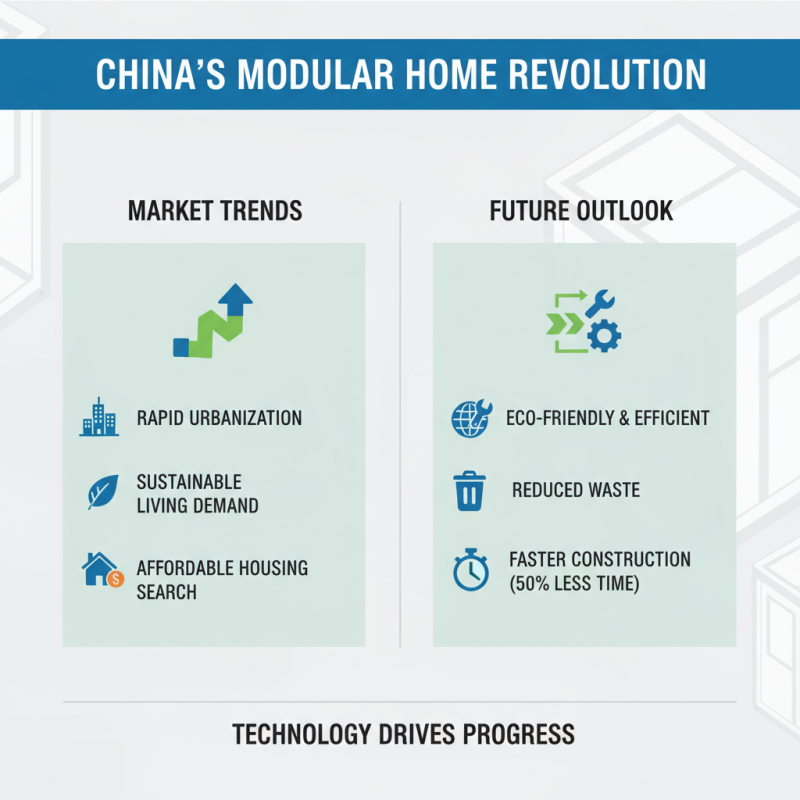
The modular homes market in China is rapidly evolving. This trend is driven by increasing urbanization and a focus on sustainable living. Consumers are looking for homes that are both eco-friendly and affordable. Modular homes offer efficient building processes and reduced waste. With the right technology, construction times can be halved, making this a preferred choice.
Tips: Consider energy-efficient designs. This can lower utility costs. Also, keep an eye on materials. Sustainable materials are gaining popularity. They appeal to environmentally conscious buyers.
Despite the growth, challenges remain. Some consumers still associate modular homes with lower quality. Overcoming these perceptions requires education. Showcasing successful projects can help shift opinions. Additionally, local regulations can pose hurdles. Each region has its rules, which can complicate the process. Addressing these issues is essential.
Tips: Engage with local communities. Understanding their needs can guide better designs. Also, consider flexible layouts. These can attract a wider range of clients. Emphasizing customization could meet diverse preferences in an expanding market.