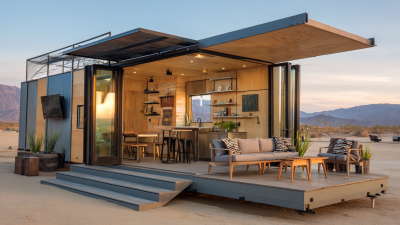
Why Choose Portable Homes for Sustainable Living Solutions?
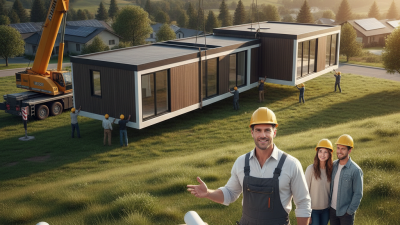
In recent years, the concept of sustainable living has gained significant traction. Among the various solutions available, portable homes stand out. These innovative dwellings not only accommodate modern living but also emphasize the importance of sustainability. Expert in sustainable architecture, Sarah Johnson, states, "Portable homes represent a future where comfort meets ecological responsibility."
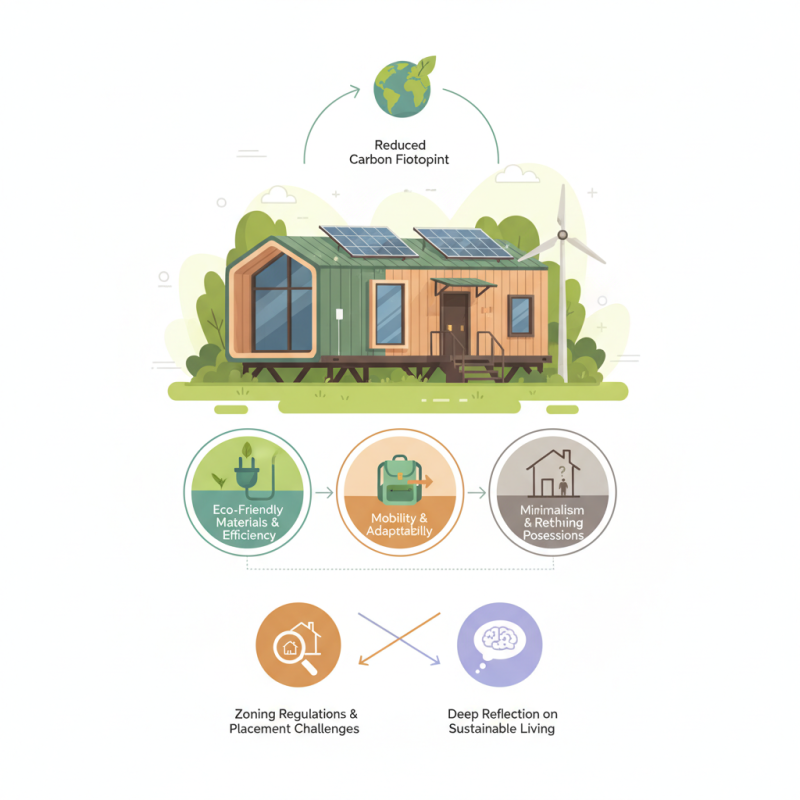
The rise of portable homes is fueled by a growing desire for minimalism and environmental consciousness. Each unit often utilizes eco-friendly materials and energy-efficient designs. This aligns with the global push for reduced carbon footprints. However, choosing a portable home isn't solely about efficiency. It’s also about embracing a lifestyle that values mobility and adaptability.
While portable homes offer numerous benefits, they also present challenges. Limited space may require occupants to rethink their possessions and living arrangements. Additionally, zoning regulations can complicate placement options. These aspects encourage a deep reflection on what it truly means to live sustainably. The journey towards eco-friendly living through portable homes is a step forward, albeit an imperfect one, where individuals must navigate both potential and restriction.
Advantages of Portable Homes for Environmental Sustainability
Portable homes offer a compelling solution for those seeking environmentally sustainable living. The design of these homes minimizes carbon footprints. According to recent industry studies, traditional homes contribute significantly to greenhouse gas emissions. They often require more resources for construction and maintenance. In contrast, portable homes are often built using recycled materials, which reduces waste.
Additionally, portable homes are highly efficient in energy use. A report from the International Energy Agency indicates that small dwellings consume 42% less energy than conventional homes. This efficiency results from their smaller size and innovative designs, which harness natural ventilation and light. Many portable homes also utilize renewable energy sources, such as solar panels, enhancing their sustainability.
While portable homes present numerous benefits, there are challenges to consider. Limited space may require creative solutions for storage and comfort. Community acceptance can also vary; local zoning laws sometimes restrict where these homes can be placed. This can hinder their overall effectiveness as a sustainable housing option. The evolving landscape of portable living necessitates ongoing dialogue among stakeholders to address these challenges effectively.
Cost-Effectiveness of Portable Homes in Sustainable Living
Portable homes offer a unique solution for sustainable living. They are designed to be cost-effective, making them accessible to more people. These homes often utilize eco-friendly materials. Their small size reduces construction costs significantly. Additionally, they require less energy for heating and cooling.
Living in portable homes can lead to lower utility bills, which is a considerable advantage. You can save money while reducing your carbon footprint. However, some might find the limited space challenging. Adapting to a smaller living area requires creativity and organization. It forces you to prioritize what you truly need.
Portable homes are not without their drawbacks. Initial costs can be high for high-quality designs. Maintenance also plays a role in the overall expense. It’s essential to weigh these factors carefully. Still, the benefits often outweigh the challenges, especially for those committed to a sustainable lifestyle.
Why Choose Portable Homes for Sustainable Living Solutions? - Cost-Effectiveness of Portable Homes in Sustainable Living
| Feature |
Portable Homes |
Traditional Homes |
| Initial Cost |
$30,000 - $100,000 |
$200,000 - $500,000 |
| Construction Time |
2 - 6 months |
6 - 12 months |
| Maintenance Costs (Annual) |
$1,000 - $2,000 |
$2,500 - $5,000 |
| Energy Efficiency Rating |
A+ (highly efficient) |
B (moderate) |
| Environmental Impact |
Low (minimal waste) |
High (significant waste) |
| Mobility |
Yes (easily relocatable) |
No (fixed location) |
Mobility and Flexibility of Portable Homes for Sustainable Solutions
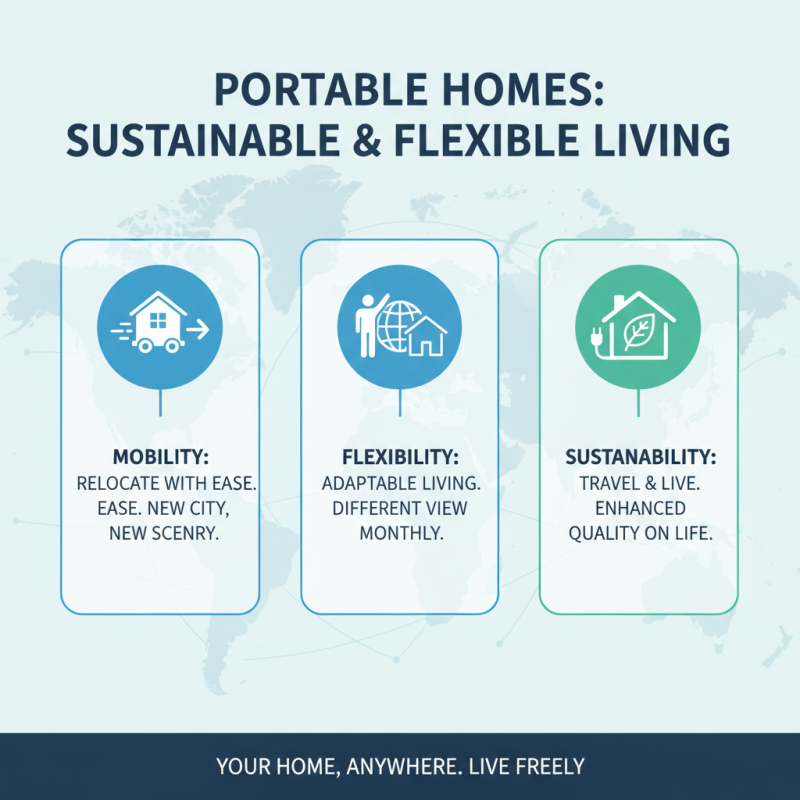
Portable homes offer remarkable mobility and flexibility, making them ideal for sustainable living. People often find that relocating is a breeze. Whether you're moving to a new city or simply changing your scenery, these homes adapt with ease. Imagine waking up to a different view every few months. The ability to travel while having a home can enhance your quality of life.
Flexibility also extends to space efficiency. Most portable homes are designed with multifunctional areas. This means you can use your living space as an office, bedroom, or dining area. It offers freedom in how you utilize your environment. However, limited space can be a challenge. Downsizing might lead to difficult decisions about what to keep and what to let go. These choices can prompt reflection on your lifestyle and habits.
Many portable homes use sustainable materials. This is a step forward for eco-conscious living. Yet, not all designs consider energy efficiency. Some may lack adequate insulation or appropriate solar solutions. It's essential to research options that align with true sustainability. Evaluating different models can lead to better long-term impacts. This journey of exploration cultivates a deeper understanding of your needs and values in sustainable living.
Energy Efficiency Features of Portable Homes for Eco-Friendly Living
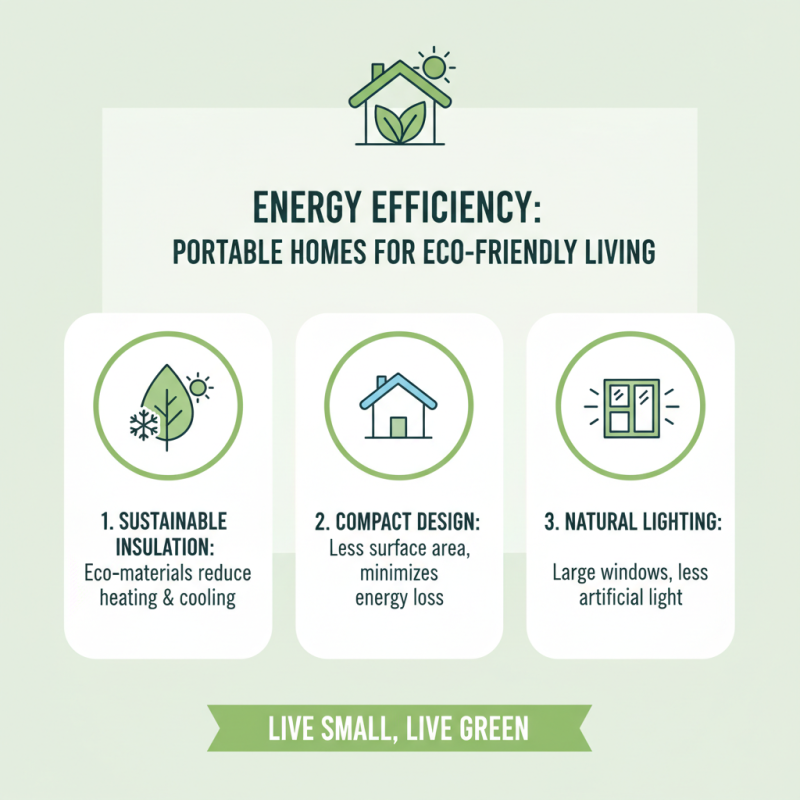
Portable homes offer unique energy efficiency features that support eco-friendly living. These homes often incorporate insulation made from sustainable materials, significantly reducing heating and cooling energy needs. The compact nature of portable homes creates less surface area, minimizing energy loss. Many designs also integrate large windows, allowing natural light to illuminate interiors while reducing reliance on artificial lighting.
Solar panels are a common addition. These installations power essential appliances without drawing on grid energy. Rainwater collection systems can further enhance sustainability. However, not all portable homes maximize these features. Some designs may overlook proper placement for solar access or prioritization of thermal mass. Potential buyers must research and ensure their chosen model aligns with sustainable principles.
Energy-efficient appliances are another piece of the puzzle. Portable homes can include innovative technologies that use less water and power. However, there is variability in the quality and efficiency of these appliances. In some cases, individuals may need to invest in upgrades after purchase. Embracing a portable lifestyle offers promising paths for sustainable living, but careful consideration remains essential.
Community Impact and Social Benefits of Adopting Portable Homes
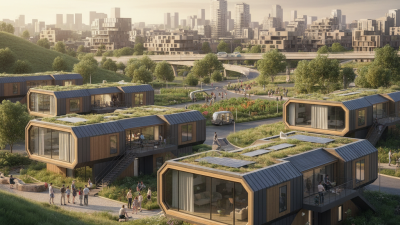
Portable homes are emerging as a viable solution for sustainable living, offering numerous community impacts and social benefits. These homes often require fewer resources than traditional houses. For instance, a report from the International Sustainable Housing Association highlights that portable homes use 30% less energy in construction. This efficiency translates into lower utility costs for residents.
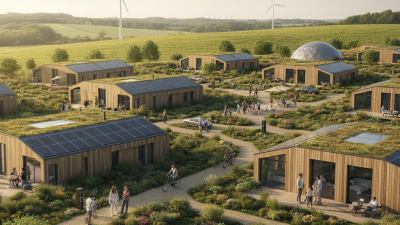
Beyond economic savings, portable homes can foster community ties. Many developments are designed to promote interaction through shared spaces. This encourages a sense of belonging and fosters social support networks. According to a study by the Community Land Trust Network, 60% of residents in portable home communities reported increased social connections compared to conventional housing.
However, the integration of portable homes doesn't come without challenges. Zoning laws and regulations can complicate placement. Community acceptance varies, and some neighborhoods may resist these changes. It’s essential for developers to engage local stakeholders in dialogue. This can help address concerns and enhance the benefits for everyone involved. The potential for portable homes to support sustainable living remains significant, but ongoing community engagement is crucial for long-term success.