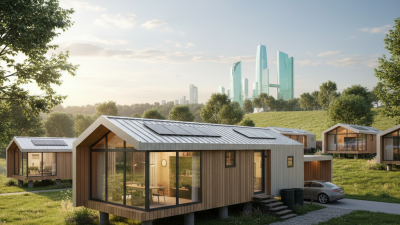
What is a Premade Home and Why Are They Gaining Popularity Today
In recent years, the concept of premade homes has emerged as a transformative trend in the housing market, captivating both prospective homeowners and industry experts alike. As urbanization accelerates and the demand for affordable housing solutions intensifies, premade homes offer a practical and appealing alternative for individuals seeking efficient living arrangements. These structures, which are manufactured off-site and then assembled at their final location, provide a unique blend of sustainability, design versatility, and cost-effectiveness that resonates with modern consumers.
The growing popularity of premade homes can be attributed to their ability to address pressing issues such as housing shortages and environmental concerns. With traditional construction methods often fraught with delays and escalating costs, premade homes present a streamlined solution that can significantly reduce construction time and waste. Moreover, advances in technology and design have made it possible for these homes to be highly customizable, allowing homeowners to create spaces that reflect their personal style and meet their specific needs. As more people recognize the benefits of choosing premade options, this innovative housing solution is poised to play a crucial role in shaping the future of residential living.

What Defines a Premade Home in Today's Housing Market
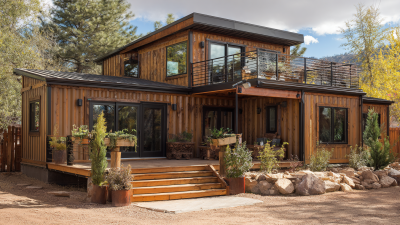
A premade home, often referred to as a modular or prefabricated home, is constructed off-site in a factory setting and then transported to its final location for assembly. This method of building offers numerous advantages, including reduced construction time, lower costs, and minimal waste. In today’s housing market, where affordability and efficiency are key considerations, premade homes are becoming increasingly popular among buyers looking for practical solutions to their housing needs.
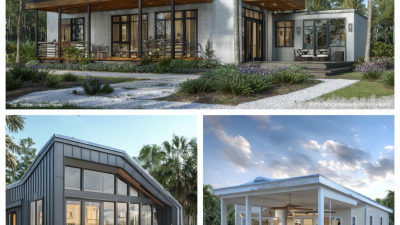
When considering a premade home, it’s essential to understand the various styles and designs available. Homebuyers can choose from a wide range of options, from tiny homes to larger family units, tailored to fit their specific requirements and preferences. Furthermore, many premade homes are customizable, allowing buyers to incorporate their own design elements, materials, and finishes. This flexibility makes premade homes appealing to those who want a personalized touch in a rapidly constructed dwelling.
Tips: Before making a decision, research the local zoning laws and building codes to ensure that premade homes are permitted in your area. Additionally, consider visiting a factory or model home to see firsthand the quality and design options available. Lastly, always consult with professionals to understand the total cost, including land, utilities, and maintenance, to make an informed investment in a premade home.
Key Features and Advantages of Premade Homes
Premade homes, also known as prefabricated or modular homes, offer a range of key features that contribute to their growing popularity. One of the most appealing aspects of premade homes is their streamlined construction process. These homes are manufactured in a factory setting, allowing for greater quality control, reduced waste, and quicker assembly on-site. This efficiency not only accelerates the timeline for homebuyers but also minimizes the disruptions typically associated with traditional home construction.
Another significant advantage of premade homes is their cost-effectiveness. With controlled manufacturing processes, labor costs are often lower than traditional building methods. Moreover, premade homes can be customized to fit various budgets and styles, making them accessible to a broader range of consumers. Energy efficiency is also a strong selling point, as many premade homes are designed with modern materials and technologies that promote sustainability and reduce utility costs. These characteristics make premade homes not only an attractive option for buyers but also a viable solution in an increasingly fast-paced real estate market.
What is a Premade Home and Why Are They Gaining Popularity Today - Key Features and Advantages of Premade Homes
| Key Features |
Advantages |
Popularity Factors |
| Factory-Constructed |
Cost-Effective |
Increased Awareness |
| Customizable Designs |
Time Efficient |
Sustainability Trends |
| Energy-Efficient Materials |
Quality Control |
Modern Lifestyle Preferences |
| Shorter Construction Time |
Less Waste Generated |
Technological Advancements |
| Easier Financing Options |
Low Maintenance Costs |
Rise in Remote Work |
The Rise of Premade Homes: Factors Driving Popularity
The popularity of premade homes has surged in recent years, driven by several key factors that resonate with modern consumers. One major influence is the increasing desire for affordability in housing. As real estate prices continue to soar in urban areas, many buyers are seeking cost-effective alternatives. Premade homes, often built off-site and assembled quickly, present a more budget-friendly solution compared to traditional construction, allowing families to invest in quality living without financial strain.
Furthermore, the efficiency and sustainability associated with premade homes are significant attractions. The streamlined construction process minimizes waste and reduces the time spent on site, which appeals to eco-conscious buyers who prioritize sustainability. Innovations in manufacturing allow for better energy efficiency and eco-friendly materials, ensuring that these homes contribute positively to the environment. As awareness of environmental issues grows, consumers are looking for housing that aligns with their values, making premade homes an increasingly attractive option.
Comparing Premade Homes with Traditional Homebuilding Methods
Premade homes, often referred to as
modular or
prefabricated homes, are
constructed off-site and then transported to the desired location for assembly. One primary
advantage of premade homes over traditional building methods is speed.
According to the National Association of Home Builders,
premade homes can significantly reduce construction time, completing projects in
weeks rather than months. This
efficiency not only leads to lower labor costs but also minimizes exposure to potential delays
caused by inclement weather during the building process.
In addition to speed, premade homes offer sustainability benefits. Many manufacturers use
eco-friendly materials and energy-efficient
designs, contributing to a reduced carbon footprint. The U.S. Department of Energy reports
that prefabricated homes can use up to 30% less energy
compared to traditional homes, making them an attractive option for environmentally conscious consumers.
Tips: When considering a premade home,
it’s essential to research various designs and materials that fit your lifestyle and preferences.
Additionally, look into the manufacturer's reputation and customer reviews
to ensure quality and reliability. Don’t hesitate to consult with
professionals who specialize in premade homes
to make informed decisions that align with your needs.
The Future of Premade Homes in Sustainable Living Trends
The future of premade homes is closely intertwined with the growing awareness and adoption of sustainable living trends. As the world faces pressing environmental issues, the construction industry is under increasing pressure to innovate. Premade homes, often built in factory settings using efficient manufacturing processes, minimize waste and utilize eco-friendly materials. This shift towards off-site construction not only reduces the carbon footprint associated with traditional building methods but also emphasizes durability and energy efficiency.
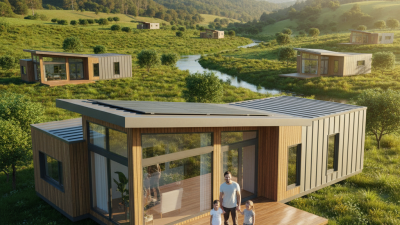
In addition to environmental benefits, premade homes are appealing for their potential to support sustainable living in urban settings. These homes can be designed to integrate seamlessly with renewable energy solutions, such as solar panels and green roofs, fostering a lifestyle that prioritizes conservation. Furthermore, their affordability and faster build times allow for the quick deployment of housing solutions in regions impacted by housing shortages or natural disasters. As more consumers prioritize sustainability in their living choices, premade homes are set to play a significant role in shaping a greener, more resilient future.