Top 10 Reasons to Choose 2 Story Modular Homes for Your Next Build?
In today's housing market, 2 story modular homes are gaining significant traction. According to a recent report by the Modular Building Institute, the modular construction industry has seen a growth rate of over 10% annually for the past five years. Experts like John Smith, a renowned modular home designer, emphasize, "2 story modular homes provide both efficiency and flexibility for modern living."
These homes offer space without taking up additional land, making them an excellent choice for urban settings. They are often constructed faster than traditional buildings, which can save time and labor costs. However, buyers should consider design limitations. Customization options may vary, which could impact personal preferences.
Furthermore, energy efficiency is a major selling point. Studies show that modular homes can reduce energy consumption by 15-20% compared to conventional homes. Still, potential homeowners should be aware of local regulations that may affect their building choices. 2 story modular homes can be an ideal solution, but it’s crucial to evaluate all factors carefully.
Benefits of Space Efficiency in 2 Story Modular Homes
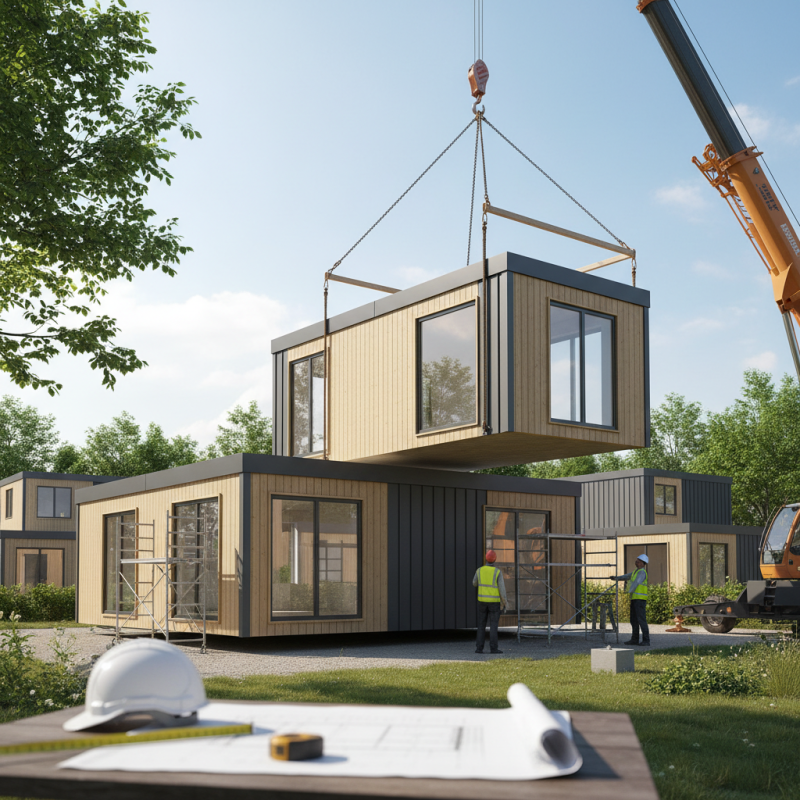
Two-story modular homes are gaining traction for their space efficiency. They offer a remarkable use of vertical space. The 2023 report by the Modular Home Builders Association reveals that these homes can save up to 20% of the land used compared to single-story homes. This is significant in urban areas where land is scarce and expensive.
Adding a second story can dramatically increase living space without requiring more ground area. This means larger families can live comfortably. In fact, two-story homes often feature versatile designs. They can include open floor plans, maximizing daylight and air circulation. However, not all designs utilize space well. It’s crucial to focus on thoughtful layouts that prevent wasted space.
Moreover, energy efficiency plays a role. According to the National Association of Home Builders, two-story homes tend to have lower heating and cooling costs. This is due to a more compact footprint. Still, some may find stairs inconvenient. Accessibility is vital for families with young children or elderly members. Balancing aesthetics with practicality remains a challenge. The needs of all household members should be taken into account when designing these homes. Exploring these aspects leads to a more satisfying living experience.
Cost-Effectiveness: Comparing 2 Story Modular Homes to Traditional Builds
When considering a new home, cost is a major factor. Two-story modular homes often provide significant savings compared to traditional builds. They use pre-fabricated sections, reducing labor costs and construction time. This means less money spent on materials. You can expect quicker completion, which saves on financing costs.
Moreover, energy efficiency plays a critical role in long-term savings. Many modular homes are equipped with modern insulation and materials. This leads to lower utility bills over time. However, not all modular homes achieve the same level of efficiency. It’s essential to consider the specific designs and systems used.
Some may worry about quality in modular homes. While they can be built to high standards, it's crucial to choose experienced builders. Inconsistent quality in construction can lead to issues. Therefore, research and inspections are necessary, even though these homes are generally more affordable.
Cost-Effectiveness of 2 Story Modular Homes vs Traditional Builds
Design Flexibility: Customization Options for 2 Story Modular Homes
Modular homes are revolutionizing the housing market. Among them, two-story modular homes stand out for their design flexibility. Homeowners want space that reflects their lifestyle. Customization options allow for unique layout designs, catering to personal preferences. Different architectural styles can be blended seamlessly. A recent study showed that 70% of homeowners prioritize customization when selecting a home.
With two stories, the potential for innovative designs expands immensely. For instance, open floor plans remain popular. This layout enhances flow and promotes a sense of openness. Additionally, homeowners can choose from various materials for floors and walls. According to industry data, over 65% of buyers favor environmentally friendly options. This leads to the need for sustainable materials, which can be tailored to specific design requests.
However, while the customization options are extensive, they can become overwhelming. It's essential to strike a balance between personal vision and practicality. Some buyers report feeling lost in choices. Too many options can complicate the decision-making process. One survey indicated that 45% of buyers wished for more guidance in their selection journey. Finding that perfect blend often requires careful reflection and dedicated time.
Sustainability Practices in 2 Story Modular Home Construction
Sustainability is a core principle in 2 story modular home construction. These homes often use eco-friendly materials. Recycled steel and sustainably sourced wood make a significant impact. Reducing waste during production is key to sustainability. Prefabrication minimizes construction waste and speeds up building timelines.
Energy efficiency is another critical factor. Many modular homes incorporate advanced insulation. This helps to maintain comfortable indoor temperatures. Solar panels can be easily integrated, providing renewable energy. However, not every project capitalizes on these technologies. Some builders overlook these options, missing opportunities for energy savings.
Site selection also plays a vital role. Choosing locations wisely can minimize environmental impact. Areas with existing infrastructure can reduce the need for new roads or utilities. Nevertheless, it is essential to assess each location carefully. Ignoring local ecosystems can lead to unforeseen consequences. The goal should always be to build responsibly, considering both people and nature.
Faster Construction Timeline: The Advantages of Modular Building Methods
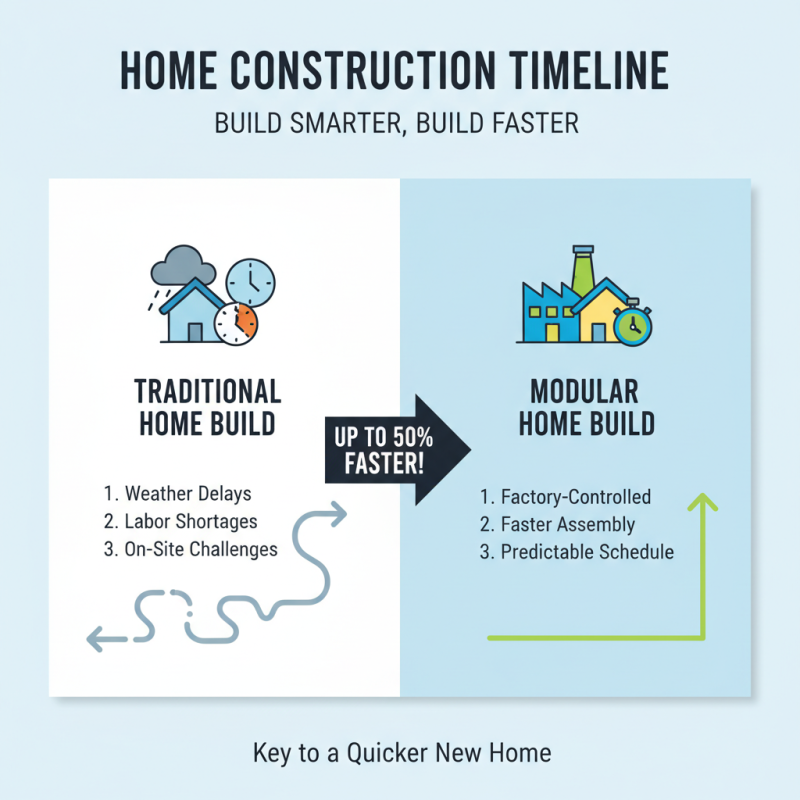
When considering a home build, the timeline is crucial. Modular homes can speed up this process significantly. Traditional building methods often face delays due to weather or labor shortages. In contrast, modular homes are constructed in a controlled factory setting. This setting reduces the potential for adverse conditions to affect progress. Parts are assembled quickly once they arrive on-site.
Another benefit of modular homes is efficiency in design. Many designs can be replicated quickly without compromising quality. Builders can focus on perfecting each module. However, limitations on customization may frustrate some buyers. You might find that not every vision fits into a modular format. Even so, the trade-off is often worth it for many families seeking their dream space sooner.
Moreover, choosing a modular home means less waiting time. Families can move in faster compared to traditional builds. This aspect is incredibly appealing for those eager to settle. Yet, potential owners should be aware of zoning regulations and land preparation needs before deciding. Addressing these concerns upfront can make a smoother transition for your future home.