Exploring the Rise of Prefab Homes as the Future of Affordable Housing Solutions
As the search for affordable housing solutions intensifies, prefab homes are emerging as a transformative answer to the crisis. These innovative structures, built off-site and assembled on location, offer a promising alternative to traditional home construction. The efficiency of the prefab process not only reduces construction time but also significantly lowers costs, making home ownership accessible to a broader demographic. With advancements in technology and sustainable practices, prefab homes have evolved beyond simple structures into stylish, well-designed residences that cater to the needs of modern living.
The rise of prefab homes represents a shifting paradigm in the housing market, where affordability, sustainability, and speed of construction are paramount. They are increasingly favored for their modular design, allowing for customization and scalability, which is particularly important in densely populated urban areas. As communities and governments look for innovative housing solutions, prefab homes provide a viable option that aligns with changing consumer preferences and environmental concerns. This exploration of prefab homes will delve into their benefits, challenges, and the reasons why they could play a pivotal role in reshaping the future of affordable housing solutions.
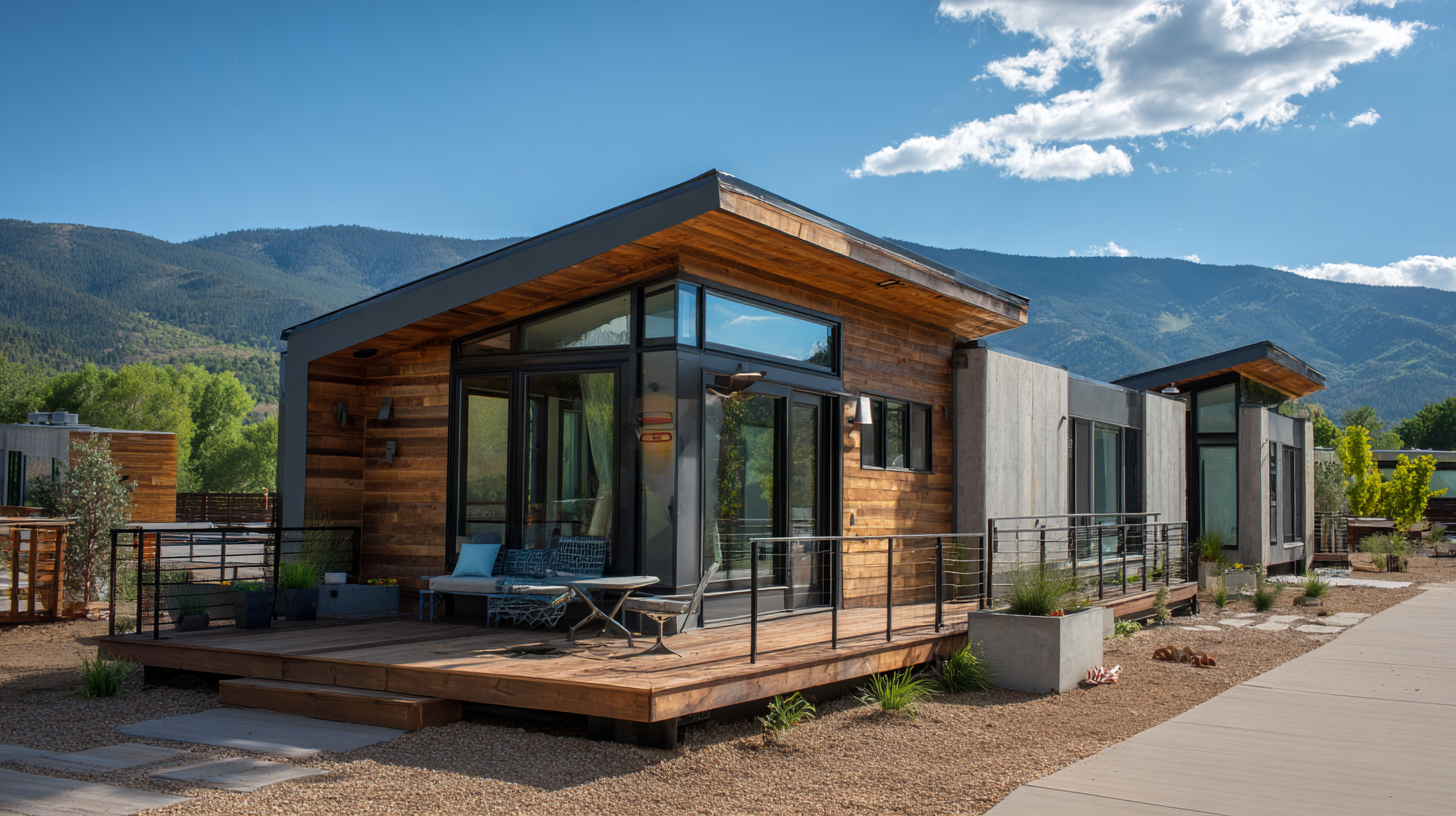
Growth Trends in the Prefab Housing Market: Key Statistics and Projections
The prefab housing market is experiencing significant growth, driven by the urgent need for affordable housing solutions. According to a report by Research and Markets, the global prefab housing market is projected to reach $153 billion by 2025, expanding at a compound annual growth rate (CAGR) of around 6.5% from 2020 to 2025. This trend is bolstered by factors such as advancements in building technology, increased production efficiency, and a heightened focus on sustainable living. Additionally, a study by the National Association of Home Builders indicates that prefab homes can save up to 20% in construction costs compared to traditional homes.
For those considering entering the prefab housing market or seeking to invest in affordable housing solutions, it’s essential to stay informed about the latest market trends. Tips for potential buyers include researching local regulations regarding prefab constructions, understanding the different types of prefab homes available (like modular vs. panelized), and exploring financing options that cater specifically to modular home purchases.
Moreover, as the demand for affordable housing rises, connecting with established prefab manufacturers or builders can provide valuable insights into upcoming projects and innovative designs. Engaging with market reports can also help identify regions where prefab homes are most in demand, allowing for informed decisions when investing or purchasing.
Cost Comparisons: Prefab Homes vs. Traditional Construction Methods and Their Affordability
As the demand for affordable housing continues to grow, prefab homes are emerging as a compelling alternative to traditional construction methods. According to a report by the McKinsey Global Institute, the construction industry is facing a productivity crisis, with a labor shortage and rising materials costs pushing up the overall expenses of building homes. In contrast, prefab homes can significantly reduce construction time and labor costs. For example, a study by the National Association of Home Builders (NAHB) indicates that prefab construction can be completed up to 50% faster than traditional methods, leading to cost savings of 10-20% overall.
Tips: When considering prefab homes, evaluate the design options carefully. Many manufacturers offer customizable designs that cater to various budgets without compromising quality.
Additionally, the cost of traditional housing can be considerably inflated by site-related expenses, delays, and unexpected logistical complications. The Harvard Joint Center for Housing Studies highlights that the average conventional home can surpass $300,000, while prefab homes often range between $100,000 and $200,000, making them a more accessible choice for many first-time buyers.
Tips: Always compare not just initial costs but also the long-term energy efficiency of the buildings. Prefab homes often utilize advanced materials that can lead to lower utility bills over time.
Exploring the Rise of Prefab Homes as the Future of Affordable Housing Solutions
| Housing Type |
Average Construction Cost |
Average Time to Build |
Energy Efficiency Rating |
Estimated Lifespan |
| Prefab Home |
$150,000 |
3-4 months |
A+ |
50+ years |
| Traditional Construction |
$250,000 |
6-12 months |
B |
50+ years |
| Modular Home |
$180,000 |
4-6 months |
A |
40-60 years |
| Tiny Home |
$75,000 |
2-3 months |
A |
30 years |
Sustainability in Prefab Homes: Eco-Friendly Materials and Energy Efficiency Benefits
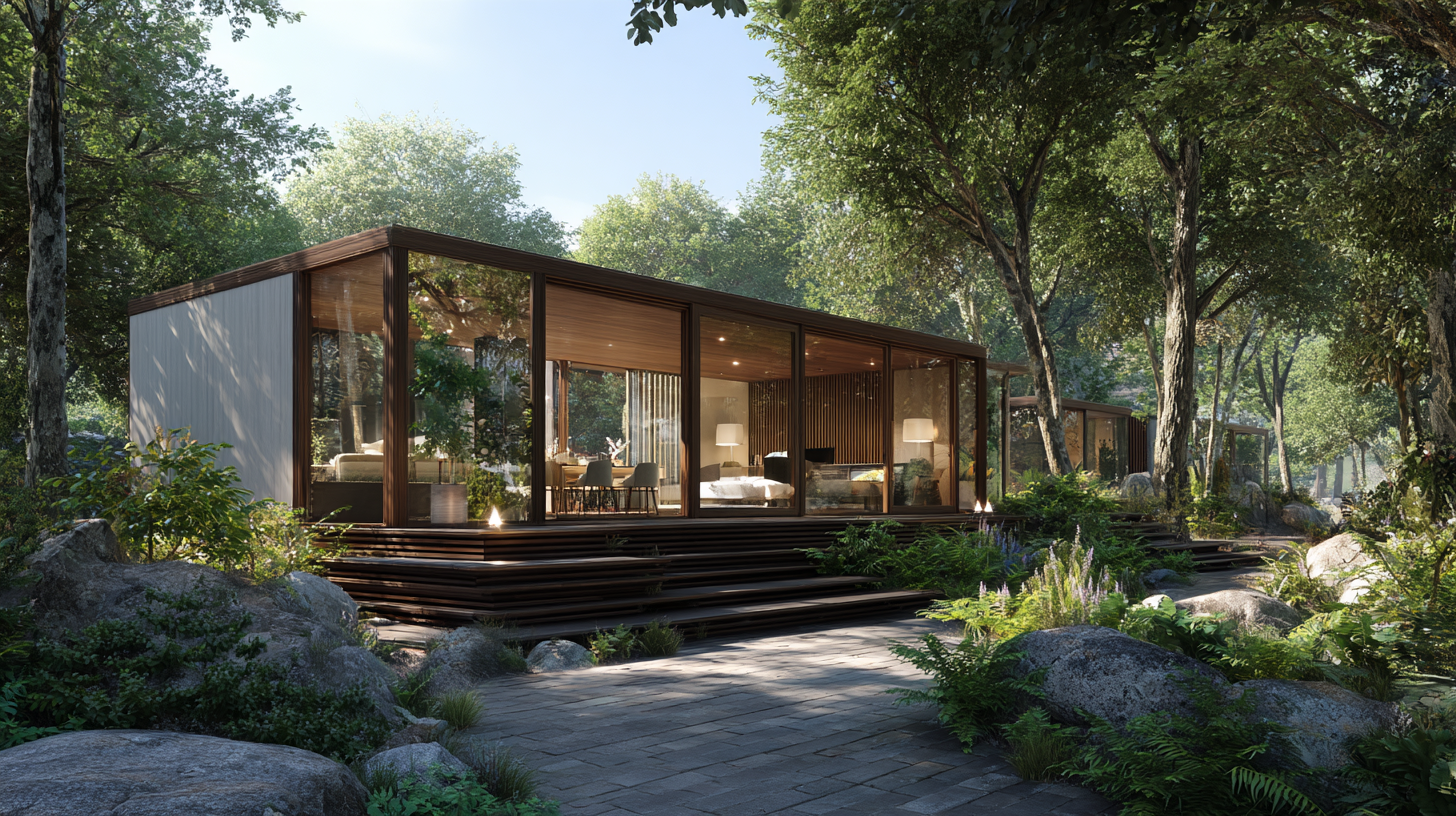 As prefab homes gain popularity as a sustainable housing solution, their eco-friendly materials and energy efficiency benefits are becoming increasingly noteworthy. Recent studies indicate that prefabricated construction can significantly reduce emissions, contributing to a low-carbon transformation in the construction sector. Utilizing sustainable building materials like Adobe, which combines earth, water, and sun, or innovative approaches such as using desert sand in places like Egypt, showcases the potential of eco-conscious choices in building. These materials not only minimize resource consumption but also enhance the long-term sustainability of housing developments.
Tips for choosing prefab homes focus on energy efficiency. Homeowners should look for designs that incorporate high-performance insulation and renewable energy systems to optimize energy use. Research suggests that prefab homes can utilize modern construction methods to achieve energy conservation, with some structures achieving reductions of up to 30% in energy consumption compared to traditional counterparts. Moreover, exploring off-grid options could align with the movement towards sustainable living, fostering communities that prioritize eco-friendly practices and self-sufficiency.
By embracing prefabricated construction, we are not just opting for affordable housing solutions but also paving the way for a more sustainable future. With a growing emphasis on adaptive reuse and the application of sustainable materials, the response from both consumers and the industry positions prefab homes as a viable answer to housing challenges in our modern world.
Consumer Preferences: Demographics Driving the Demand for Prefab Housing Solutions
The increasing demand for affordable housing has led to a notable shift in consumer preferences, particularly among Millennials and Gen Z. According to a recent report by the National Association of Home Builders, about 70% of young homebuyers are interested in purchasing prefabricated homes due to their cost-effectiveness and sustainability features. These demographics prioritize not only affordability but also eco-friendly construction practices, which align seamlessly with the principles of prefab housing.
Moreover, the desire for flexibility and customization has propelled the prefab housing market. A survey conducted by Statista revealed that over 60% of potential homebuyers aged 25 to 34 are attracted to the modular home model because it allows for greater personalization compared to traditional builds. This adaptability in design means that consumers can create homes that reflect their personal tastes, making prefab houses more appealing than ever.
As cities continue to face housing shortages, the demographic trend towards unconventional housing solutions underscores the potential of prefab homes to address these challenges effectively.
Challenges and Solutions: Overcoming Perceptions and Regulatory Hurdles in Prefab Housing Adoption
The adoption of prefab homes has encountered various challenges, primarily rooted in public perception and regulatory barriers. Many individuals still associate prefab constructions with poor quality and temporary structures. This stigma often arises from historical instances where prefab homes were hastily constructed without the necessary quality controls. To counteract these perceptions, the industry must showcase modern advancements in materials and technology that enhance durability, aesthetics, and energy efficiency. Marketing efforts that highlight successful case studies and satisfied homeowners can also play a pivotal role in shifting public opinion.
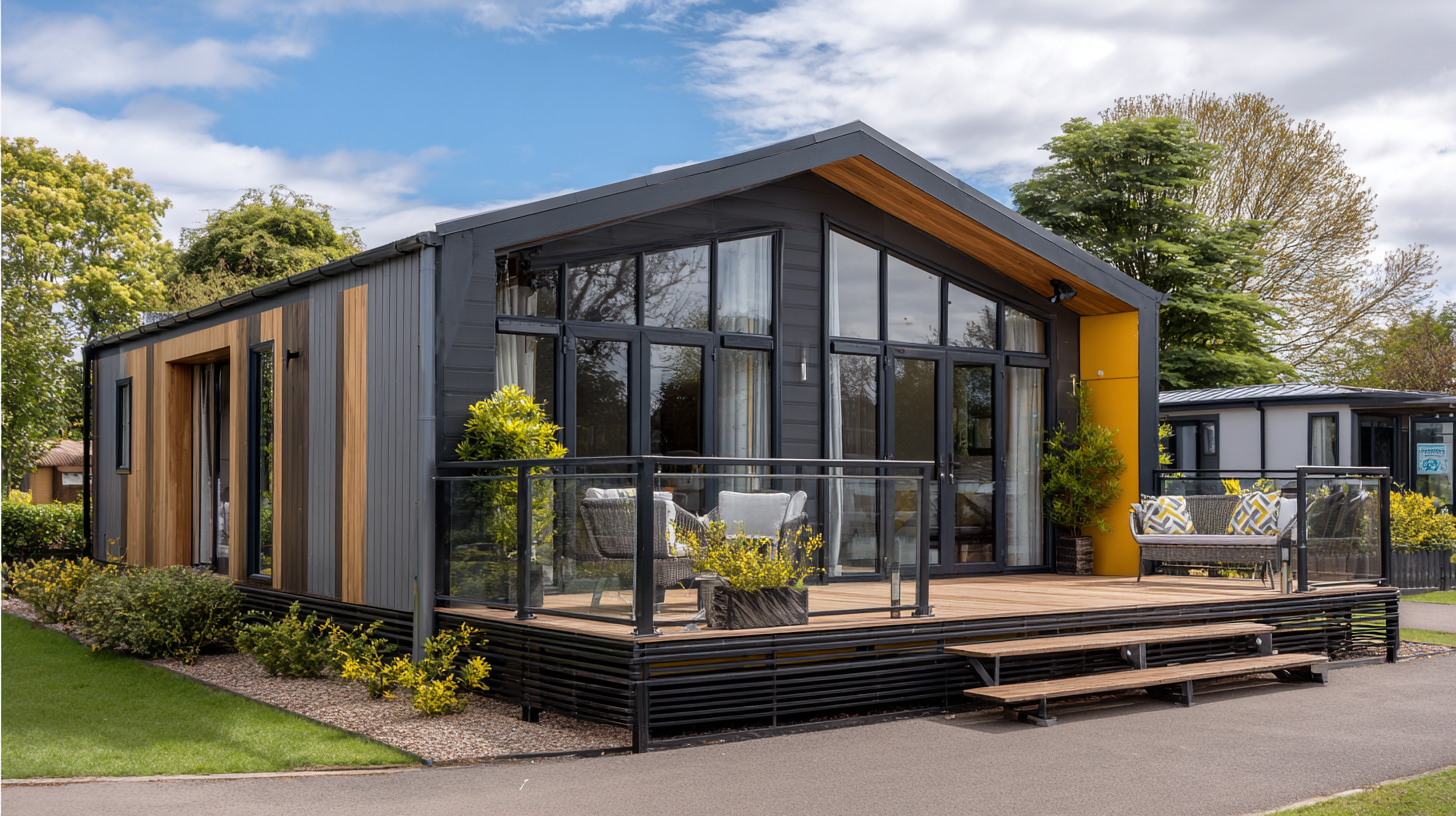
Regulatory hurdles further complicate the widespread acceptance of prefab homes. Zoning laws and building codes often lag behind innovations in construction techniques, leading to complications in obtaining necessary permits. Advocacy for clearer regulations and greater flexibility in zoning practices is essential to facilitate the growth of this housing solution. Collaborations between manufacturers and local governments could pave the way for streamlined processes, ensuring that prefab housing meets community needs while adhering to safety standards. Addressing these challenges proactively can unlock the potential of prefab homes as a viable option for affordable housing.