What is Small Prefab Homes and Why They Are Gaining Popularity?
Small prefab homes are transforming the housing landscape. Experts like architect Anna Jones highlight their appeal. She states, "Small prefab homes offer affordability with style." These compact structures efficiently utilize space, catering to modern lifestyles.
In recent years, small prefab homes have surged in popularity. They address various needs, from eco-friendliness to budget constraints. Such homes often prioritize sustainability through modular designs, reducing waste during construction. However, their rise isn't without challenges. Limited customization options can leave some homeowners feeling boxed in.
Nevertheless, many see small prefab homes as a solution to urban housing shortages. As cities grow, these homes provide an innovative way to maximize small plots of land. They can spark discussions on community living and shared resources. Small prefab homes are more than just buildings; they represent a shift in how we think about homeownership.
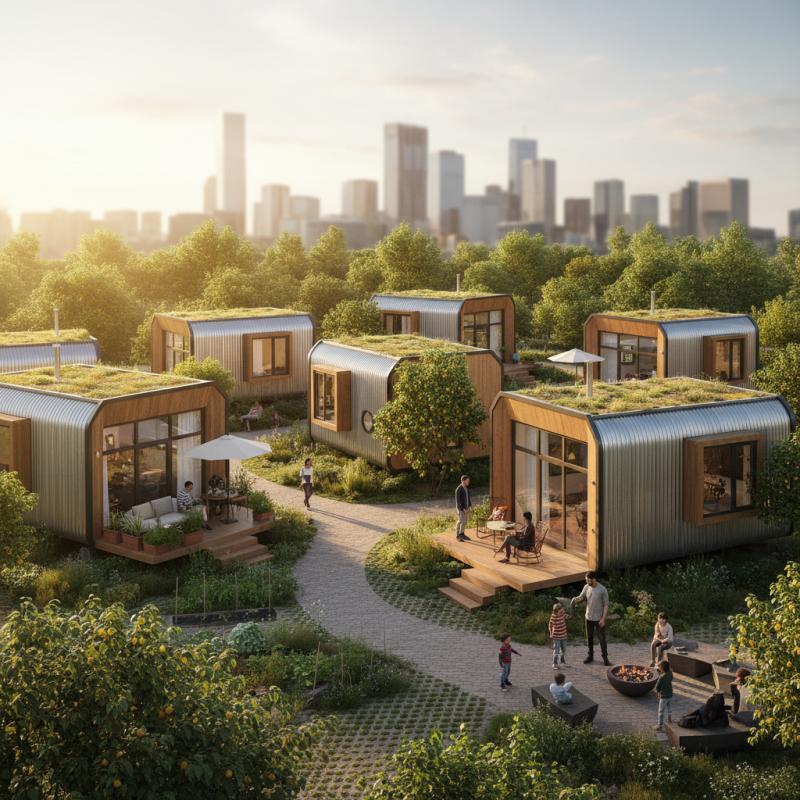
What are Small Prefab Homes?
Small prefab homes are an emerging housing trend.
These are dwellings built in sections off-site and assembled on location. They offer affordability and flexibility.
According to recent industry reports, the demand for prefab homes has surged by 20%
over the past two years. Homebuyers are increasingly attracted to their eco-friendly designs
and efficient construction methods.
Investors and developers often highlight the speed of construction. Traditional homes can take months, if not years.
On the other hand, small prefab homes can be completed in weeks.
However, buyers should consider potential zoning issues. Not all areas allow prefab installations,
which can complicate the process. Researching local regulations is crucial.
Tips:
When considering a small prefab home, look for sustainable materials.
Also, consider energy-efficient designs that can save money long-term. Be aware that some models may not fit everyone's
aesthetic preferences. Therefore, inspect models in person if possible.
Evaluate how these homes fit your lifestyle. This careful approach will help ensure a satisfying investment.
Key Features of Small Prefab Homes
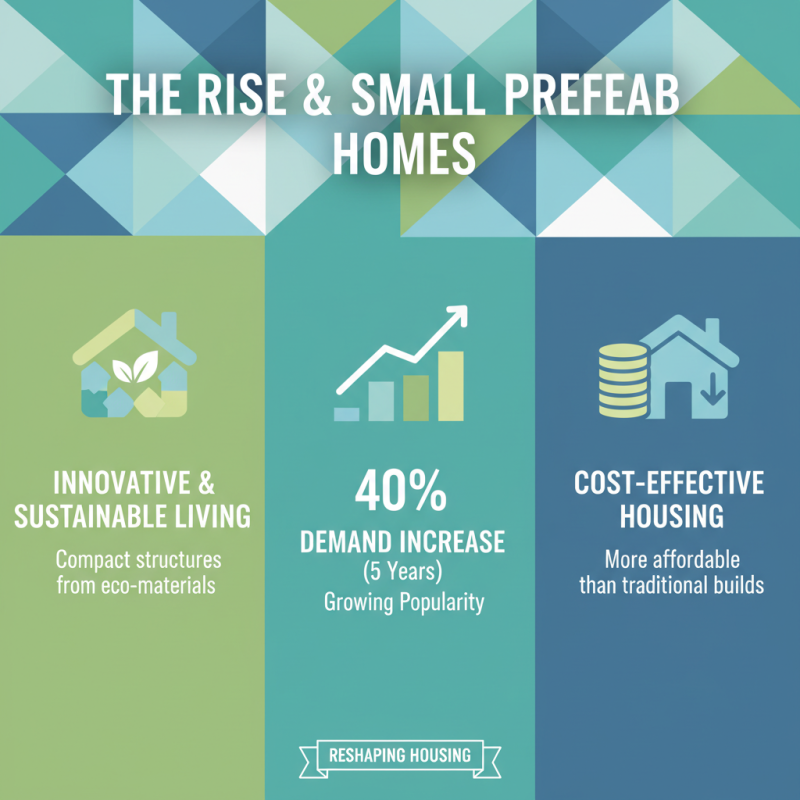
Small prefab homes are reshaping our concept of housing. These compact structures offer innovative living solutions, often made from sustainable materials. Their popularity is evident, with a reported 40% increase in demand over the past five years. Many appreciate the cost-effectiveness of building these homes compared to traditional houses.
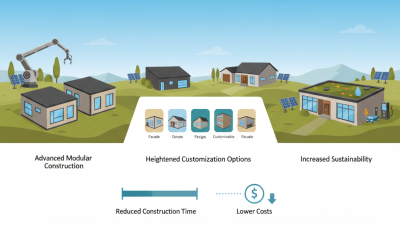
Key features of small prefab homes include their modular design, which allows for quick assembly. They can often be built in a factory and then transported to a site. This process reduces construction time significantly. Additionally, they can be customized to fit individual needs, providing a unique living experience. Energy efficiency is another highlight, with some models achieving up to 90% reduced energy consumption. This aligns well with growing environmental consciousness among homeowners.
Tip: When considering a small prefab home, think about your long-term lifestyle needs. These homes can be limiting for larger families or those looking to expand. It’s crucial to balance size and functionality. Another tip is to investigate local zoning laws. Some areas have restrictions that could affect where or how you can place a prefab home. Make sure to do your research before making a decision.
Benefits of Choosing Small Prefab Homes
Small prefab homes are becoming increasingly popular for their convenience and . These compact residences are often easier to finance and quicker to build. They provide a unique opportunity to downsize without sacrificing comfort. Many individuals and families are choosing these homes for their minimalist lifestyle.
The benefits of choosing small prefab homes are numerous. They usually have lower energy costs due to their size. Their efficient layouts mean less wasted space and easier cleaning. Furthermore, many prefab homes use sustainable materials, making them eco-friendly options. They can blend seamlessly into a variety of environments, from rural areas to urban settings.
Tips: When considering a small prefab home, think about your lifestyle needs. Prioritize essential features that matter most to you. Keep in mind that design choices can greatly affect both aesthetics and functionality. Don't rush the decision-making process. Reflect on how well the home fits into your long-term plans. Consider storage solutions carefully, as space will be limited.
Factors Contributing to the Rise in Popularity
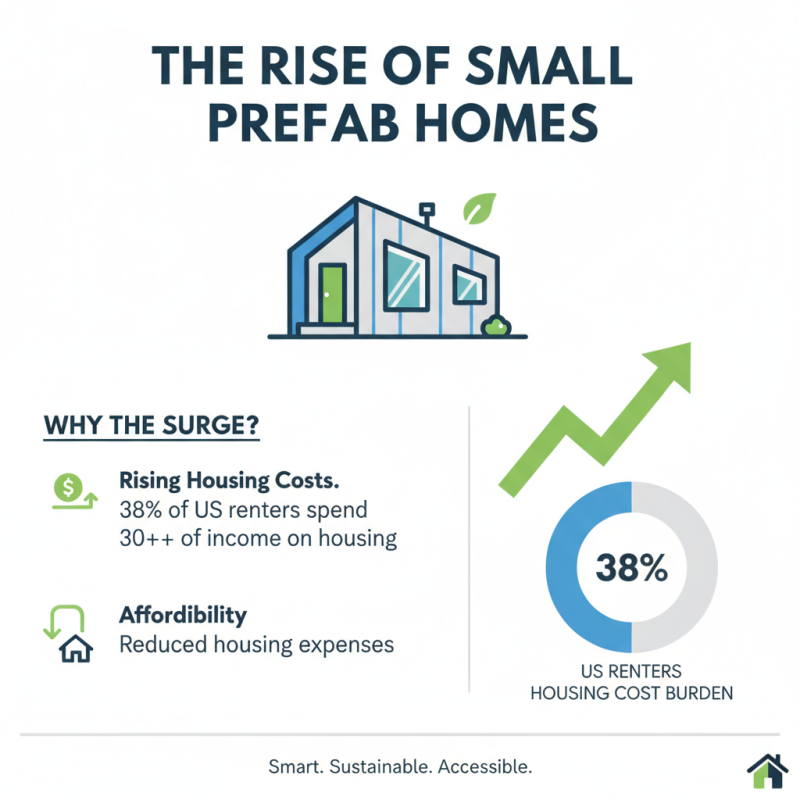
The surge in small prefab homes stems from various factors. Rising housing costs are a major concern. In the U.S., approximately 38% of renters allocate more than 30% of their income to housing. Small prefab homes offer affordability. They can reduce housing expenses significantly, appealing to many families.
Sustainability plays a crucial role too. Eco-friendly building practices attract homeowners. A report by IBISWorld states that the green construction market is projected to reach $255 billion by 2025. Small prefab homes often incorporate sustainable materials and energy-efficient designs. However, some buyers are still unsure about sourcing eco-friendly materials and construction techniques.
Space efficiency also contributes to their popularity. With urban living on the rise, smaller homes fit city living better. Analysis indicates that small homes can have an average of 30% less waste during construction. Yet, many struggle with the limited space. Prioritizing essentials is often challenging, and this can be a drawback for larger families. Overall, small prefab homes are reshaping the housing market, driven by economy, sustainability, and practicality.
Future Trends in Small Prefab Home Development
The trend of small prefab homes is reshaping the housing market. As urban areas become crowded, these homes offer a compact living solution. They are typically built in a factory setting, allowing for quicker assembly on site. This efficiency appeals to many buyers, especially millennials and remote workers. Prefab homes provide flexibility and sustainability, addressing the need for eco-friendly living.
Future trends indicate a rise in customizable designs. People want homes that reflect their individuality. Modular components allow buyers to choose layouts, colors, and finishes. This shift enables creativity while maintaining affordability.
However, challenges remain. Not all communities embrace prefab developments. Zoning laws often complicate placements, leading to frustration for potential owners.
As interest grows, the market will adapt. Builders may need to innovate further and address regulatory roadblocks. The success of small prefab homes will depend on collaboration between local governments, designers, and customers. While the future looks promising, careful consideration is needed to ensure these homes meet evolving needs.