Top Tips for Buying Pre Manufactured Homes Today?
Buying pre manufactured homes can be a rewarding journey, but it requires careful consideration. These homes offer affordability and efficiency. However, not all options are created equal. It's essential to recognize what you truly need in a home.
Start by researching various manufacturers. Some are well-known for quality and customer service. Others may fall short in both areas. Review customer feedback and ratings. They provide insights into real experiences.
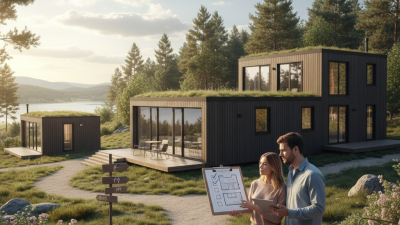
Think about the home's location and community. Accessibility to schools, shops, and parks matters. You want a place that feels like home. Be open to learning about financing options. These choices can greatly impact your budget. Buying pre manufactured homes isn't just about the initial cost. It's about making an informed choice for your future.
Understanding Pre-Manufactured Homes: Definition and Types
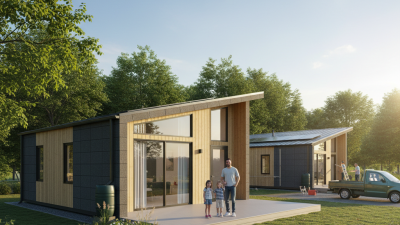
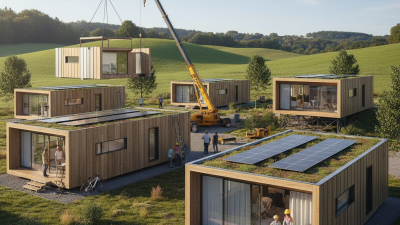
Pre-manufactured homes, also known as modular or manufactured homes, are constructed in factories and then transported to the site. These homes are assembled in sections, which allows for quicker construction times. According to the U.S. Census Bureau, about 70,000 manufactured homes were shipped in 2021, reflecting a growing interest. These homes offer diverse types, including single-section, double-section, and triple-section formats, accommodating various needs and preferences.
One common misconception is that pre-manufactured homes lack quality compared to traditional homes. Reports from the Manufactured Housing Institute indicate that these homes are built to rigorous standards set by the U.S. Department of Housing and Urban Development. They can be customized with modern features, providing a stylish living option. However, potential buyers should be cautious about zoning laws and regulations that may restrict where they can be placed.
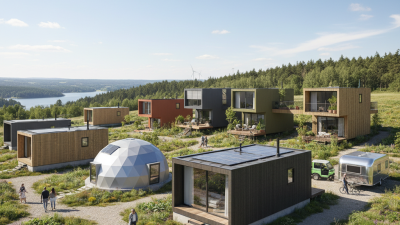
Not all pre-manufactured homes are the same. They vary in materials, style, and energy efficiency. An analysis from the National Renewable Energy Laboratory highlights that these homes can be designed to minimize energy consumption. However, it's essential for buyers to do thorough research. Assessing the long-term value and resale potential can be tricky, and market trends can shift unexpectedly. Understanding the differences and implications of each type can deeply impact one’s purchasing decision.
Market Trends: Growth Statistics in Pre-Manufactured Home Sales
The pre-manufactured home market is experiencing notable growth. According to a recent report by the Manufactured Housing Institute, sales have surged by over 15% from the previous year. This upward trend is driven by increased demand for affordable housing options. Many millennials and first-time homebuyers are turning to pre-manufactured homes as a practical solution to rising real estate prices.
When considering a pre-manufactured home, it’s crucial to research the manufacturer’s reputation. Quality varies across different producers, and reviews can provide insight into customer satisfaction. Ensure the homes meet safety standards set by local regulations. Gathering this information helps minimize potential regrets.
Market trends show that energy-efficient designs are increasingly favored. Homes equipped with energy-saving features not only reduce utility costs but also appeal to eco-conscious buyers. Look for options that provide modern amenities while remaining energy efficient. Always consider your long-term needs and lifestyle before making a decision. There might be features that seem attractive now but may not serve you in the future.
Key Factors to Consider When Choosing a Manufacturer
When selecting a manufacturer for pre-manufactured homes, it’s important to consider their track record. Research indicates that nearly 80% of buyers prioritize the reputation of the manufacturer. Look for companies with a history of quality and customer satisfaction. Consider reviews and ratings from previous homeowners. Industry reports show that manufacturers with positive feedback tend to excel in timely delivery and hassle-free service.
Another key factor is the warranty offered on the homes. A robust warranty indicates the manufacturer’s confidence in their products. Studies suggest that homes with extensive warranties tend to retain their value better. Potential buyers should inquire about the specifics of coverage. Does it cover structural components? Is there a service period for repairs? These factors matter greatly.
Lastly, assess the range of designs and customization options. Many manufacturers limit choices, which can be frustrating. A diverse range allows buyers to tailor their homes to personal preferences. Research shows that homes designed to meet individual needs lead to higher satisfaction rates. It’s essential to balance personal taste with the manufacturer’s capabilities to ensure a fulfilling purchase experience.
Financing Options: Navigating Loans for Pre-Manufactured Homes
Financing a pre-manufactured home can be daunting. Many buyers overlook key aspects, such as understanding the difference between personal and real property loans. Personal loans may have higher interest rates. They often come with shorter terms. Real property loans generally offer better rates and longer terms, making them more appealing.
Investors need to be aware of their credit scores. A good score can lead to lower rates. Buyers should also explore FHA loans, specifically designed for manufactured homes. These loans can be more accessible for various buyers. However, they require specific criteria. Verifying if your chosen home meets these standards is crucial.
Buyers often forget to consider additional costs. Land preparation, utility hookups, and insurance can add up. Each of these factors plays a role in overall loan amounts. It’s wise to create a detailed budget before diving into the process. This approach helps avoid surprises later. Seek assistance from financial advisors when needed. Doing so ensures your decisions align with your financial goals.
Sustainability Practices in Pre-Manufactured Home Construction
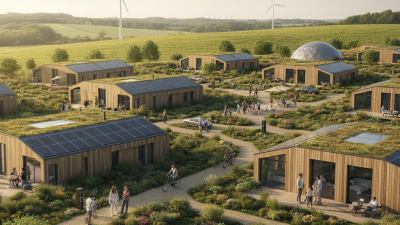
Sustainability is gaining importance in pre-manufactured home construction. Modern techniques emphasize eco-friendly materials and energy efficiency. Builders often use recycled materials, reducing waste in the production process. This choice benefits the environment and offers homeowners a unique aesthetic appeal.
Many manufacturers focus on energy-efficient designs. Homes equipped with solar panels and high-performance insulation can significantly lower utility bills. Achieving net-zero energy status is a goal for many. Buyers should look for homes that include these features. However, not all options are available everywhere, leading to potential compromises.
Maintaining sustainability also requires ongoing effort. Homeowners must commit to responsible living, such as water conservation and waste reduction. It’s a balance between environmental responsibility and personal needs. Buyers should reflect on their lifestyle choices while considering these homes. It’s an evolving journey toward greener living, often not without its challenges.