Top 10 Portable Homes: Discover the Ultimate Space-Saving Solutions for Modern Living
As urbanization continues to surge, the demand for innovative living solutions has never been more critical. According to a report by the National Association of Home Builders, nearly 50% of millennials express an interest in owning a tiny home or portable dwelling, reflecting a broader trend toward minimalism and sustainable living. Portable homes are at the forefront of this movement, offering flexibility and efficiency in an increasingly crowded real estate landscape.
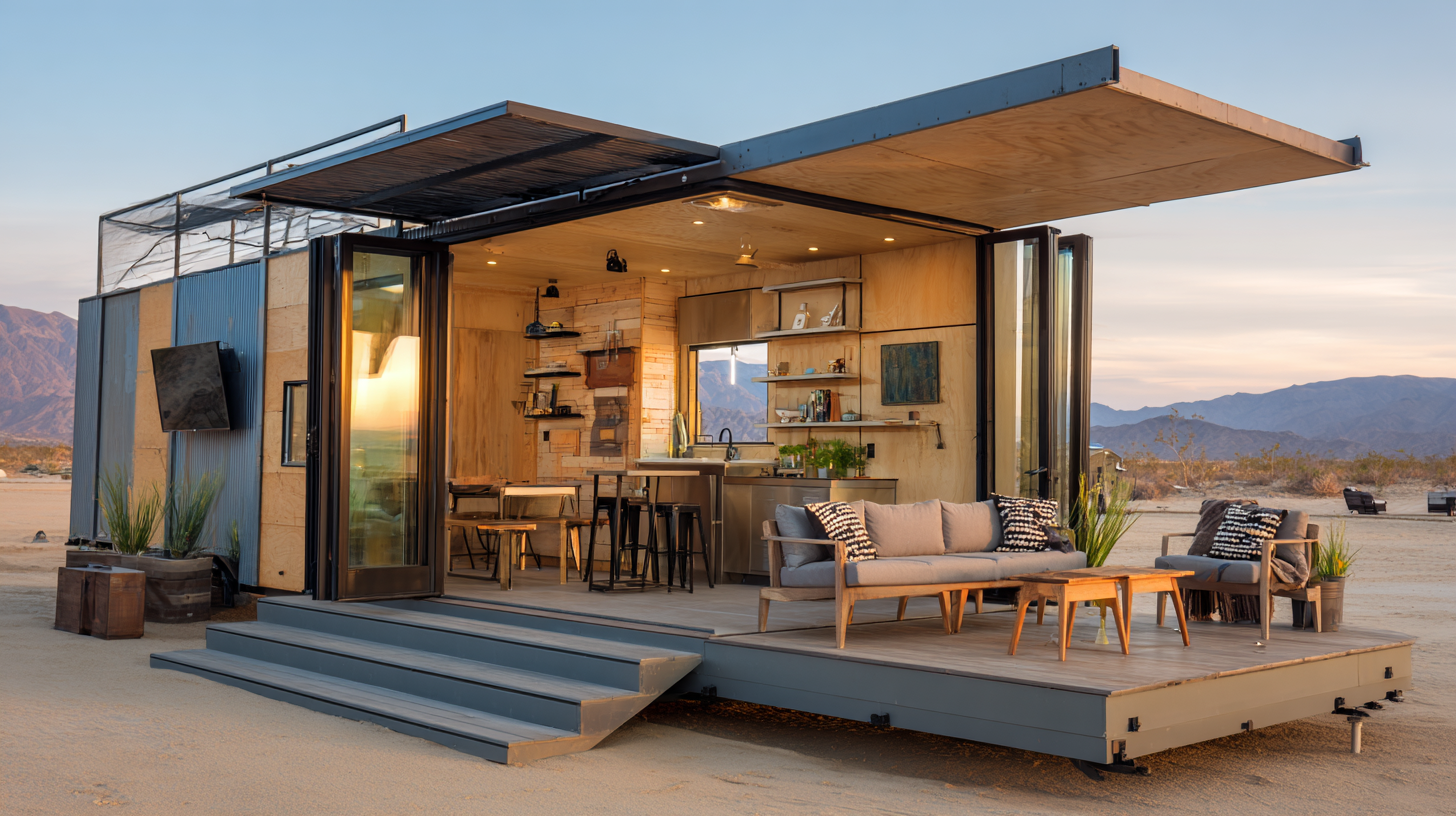
The rise of remote work and changing lifestyles has further fueled the appeal of portable homes, enabling individuals and families to live more freely without the constraints of traditional housing. A recent study by the American Institute of Architects highlights that 61% of respondents prefer smaller living spaces that require less maintenance, showcasing a significant shift in priorities when it comes to homeownership. As we explore the top 10 portable homes in our upcoming list, we will uncover the ultimate space-saving solutions that cater to modern living needs, enabling dream homes that are both functional and adaptable for a diverse range of lifestyles.
Innovative Design Trends in Portable Homes for 2025
As we look towards 2025, the landscape of portable homes is being dramatically reshaped by innovative design trends that prioritize sustainability and functionality. One of the most significant movements is the rise of multifunctional furniture, which is essential for optimizing small spaces found in portable homes. According to industry reports, nearly 60% of consumers are seeking furniture that serves multiple purposes, highlighting a shift towards practicality in modern living. Designers are responding to this demand with creative solutions that elegantly combine storage, seating, and sleeping areas, ensuring that every inch of space is utilized effectively.
Another key trend is the increased focus on biophilic design, which aims to create a deeper connection between people and nature. This concept is becoming increasingly popular as homeowners seek to integrate natural elements into their living spaces. Experts predict that incorporating greenery, natural materials, and ample natural light will be pivotal in the design of portable homes in 2025. Additionally, the integration of smart home technology is revolutionizing how we interact with space, with a significant surge—up to 40%—of new portable homes expected to feature AI-supported solutions that enhance convenience and efficiency. These trends collectively foster a more sustainable, efficient, and aesthetically pleasing environment, setting the stage for the next generation of portable living.
Eco-Friendly Materials and Sustainable Living Solutions
In today’s fast-paced world, the demand for portable homes is on the rise, emphasizing the need for eco-friendly materials and sustainable living solutions. These innovative dwellings often utilize recycled or renewable resources, promoting a minimal environmental footprint. For instance, many modern portable homes are constructed with bamboo, reclaimed wood, or sustainably sourced materials, which not only reduce waste but also add a unique aesthetic appeal. By prioritizing ecological responsibility, these homes champion the fight against climate change while providing comfortable living spaces.
Moreover, sustainable living in portable homes extends beyond just the building materials. Many designs incorporate solar panels, rainwater harvesting systems, and energy-efficient appliances, enhancing their functionality and reducing reliance on traditional energy sources. This holistic approach to living encourages occupants to adopt a more environmentally conscious lifestyle, aligning with the values of modern homeowners looking to minimize their impact on the planet. As portable homes continue to evolve, they serve as a testament to how innovative design and sustainable practices can coexist harmoniously, paving the way for a greener future.
Top 10 Portable Homes: Discover the Ultimate Space-Saving Solutions for Modern Living - Eco-Friendly Materials and Sustainable Living Solutions
| Model |
Size (sq ft) |
Material |
Eco-Friendliness |
Price Range ($) |
| Tiny Home A |
200 |
Wood |
High |
30,000 - 50,000 |
| Portable Home B |
300 |
Steel |
Medium |
40,000 - 70,000 |
| Eco Home C |
250 |
Bamboo |
High |
25,000 - 45,000 |
| Compact Living D |
150 |
Recycled Materials |
Medium |
20,000 - 35,000 |
| Nomad Shelter E |
400 |
Aluminum |
High |
60,000 - 90,000 |
| Minimalist Home F |
350 |
Natural Fiber |
High |
45,000 - 65,000 |
| Eco-Friendly G |
275 |
Sustainable Wood |
High |
35,000 - 55,000 |
| Wheeled Condo H |
320 |
Composite |
Medium |
50,000 - 75,000 |
| Hike & Home I |
240 |
Canvas |
High |
15,000 - 30,000 |
| Sustainable Retreat J |
400 |
Earth Blocks |
High |
70,000 - 100,000 |
Maximizing Space: Smart Storage Solutions in Modern Portable Homes
Modern portable homes are a testament to innovative design, seamlessly blending functionality with style. To maximize space in these compact living environments, designers are employing smart storage solutions that cater to the needs of contemporary lifestyles. For instance, multi-functional furniture items, such as foldable tables and retractable beds, provide flexibility while minimizing the footprint. Under-bed storage compartments and built-in wall shelves further enhance the usability of small spaces, turning every nook and cranny into a potential storage area.
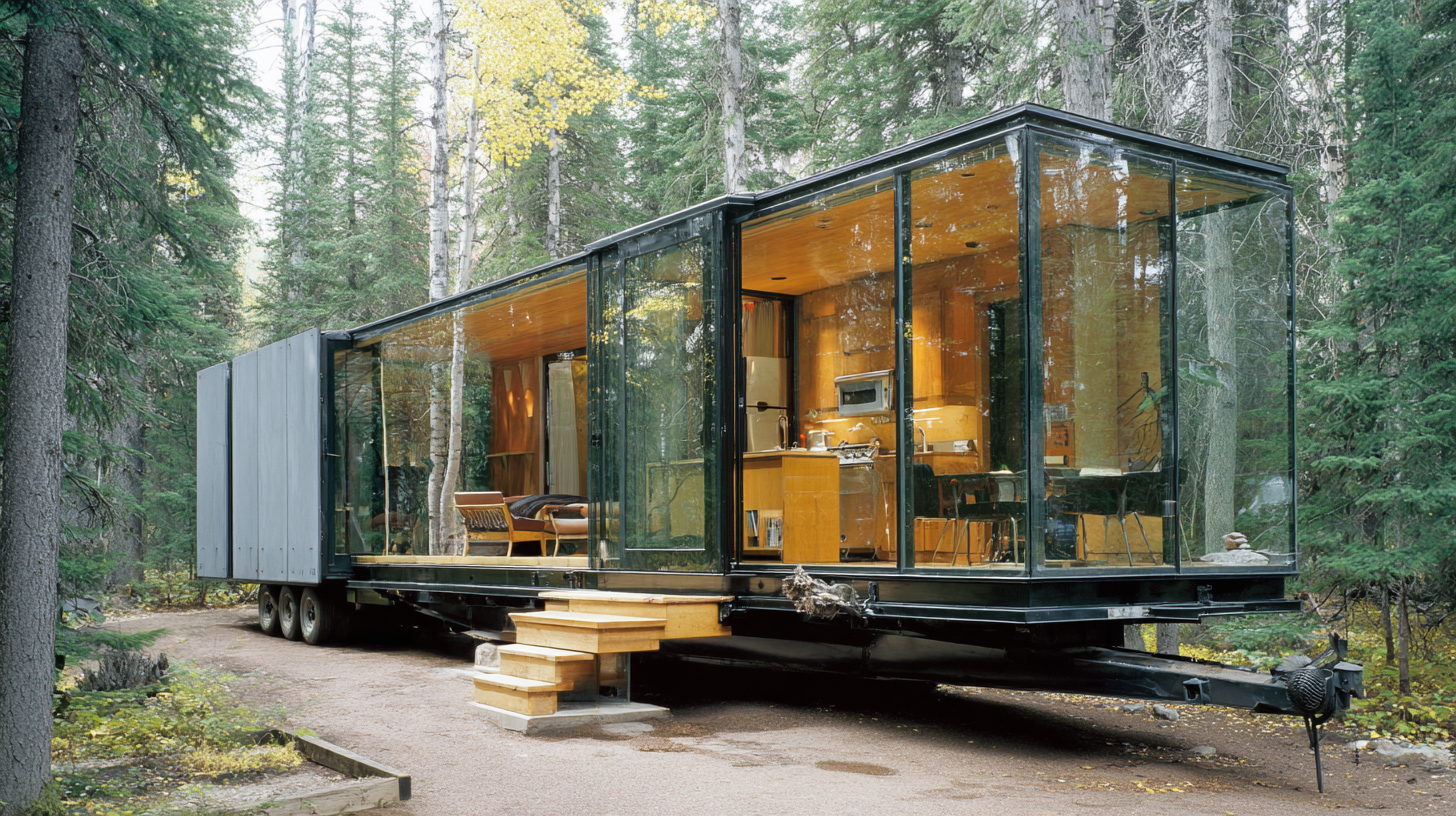
Additionally, modular designs allow for the customization of storage solutions, enabling residents to adapt their homes according to personal preferences and needs. Creative use of vertical space is another significant aspect, with taller shelving units and overhead cabinets making the most of limited floor space. By incorporating these space-saving strategies, modern portable homes not only deliver comfort but also encourage a minimalist lifestyle, facilitating an efficient and organized living experience.
Technological Integration in Portable Living Spaces
In the realm of portable homes, technological integration is transforming how we think about modern living. As reported by the American Institute of Architects, nearly 70% of respondents in a recent survey expressed interest in sustainable and flexible living solutions.
With advancements in smart technology, portable homes are being equipped with innovative features that enhance comfort, efficiency, and sustainability. For instance, energy-efficient appliances and smart home systems allow residents to monitor and control their energy usage, contributing to a lower carbon footprint.
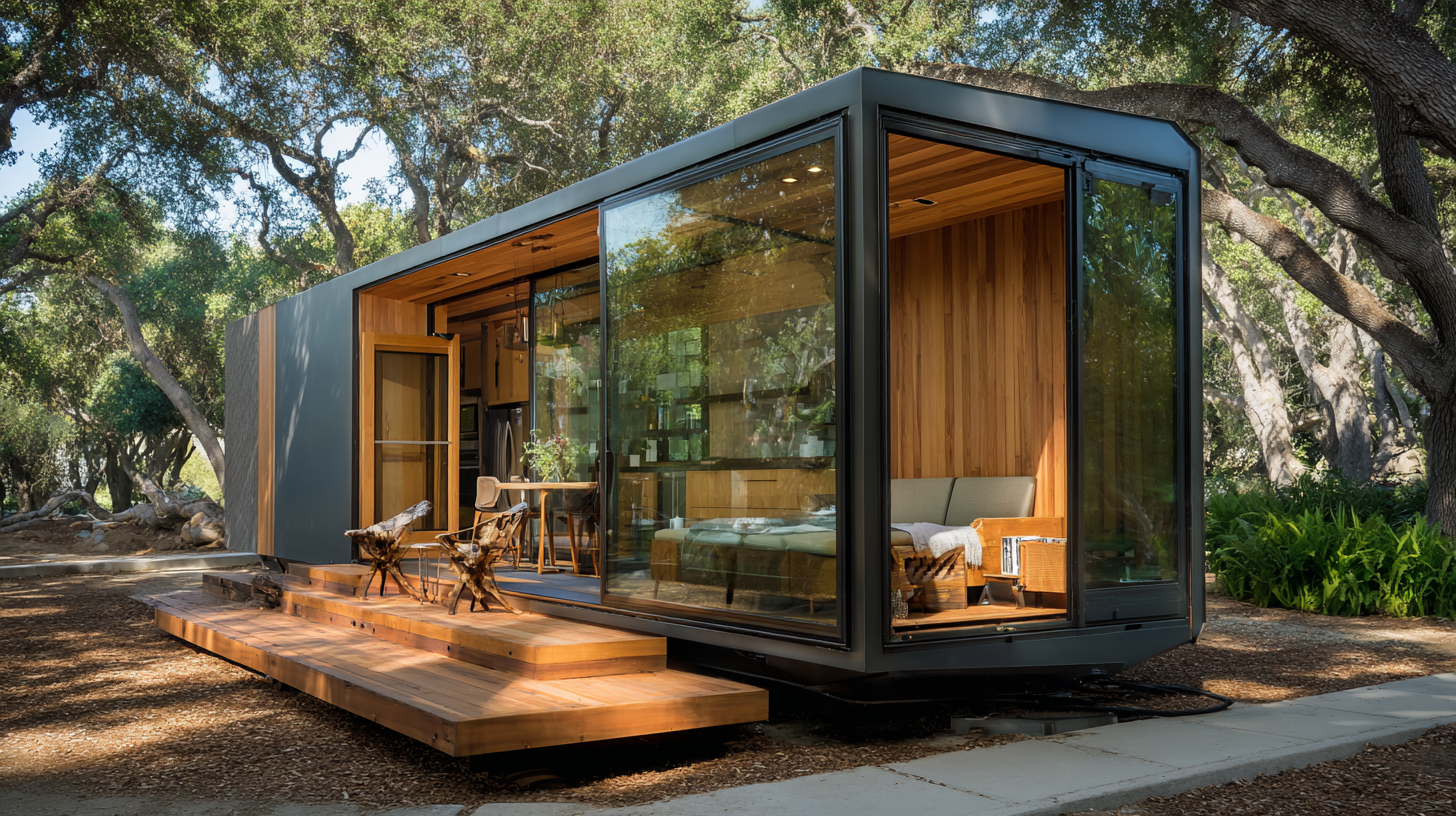
When considering a portable living solution, it's essential to explore various technologies that maximize space and functionality. For example, multifunctional furniture, such as foldable beds and expandable tables, can significantly enhance the usability of small spaces. According to a study by the National Association of Home Builders, homes that incorporate space-saving designs are not only appealing but can also lead to a 15% increase in overall home value.
Tip: When designing or selecting a portable home, prioritize energy-efficient systems, such as solar panels and smart thermostats, to reduce energy consumption. Also, consider the layout and flow of your living space; ensure that every inch is utilized effectively to create a comfortable and functional environment.
Comparative Analysis of Cost and Features in Top Portable Homes
As the demand for affordable housing solutions continues to rise, portable homes are emerging as viable options for modern living. A comparative analysis of cost and features reveals significant insights into the portable home market. According to a recent study by the National Association of Home Builders, the average cost of a portable home ranges from $40,000 to $80,000, significantly lower than traditional homes which can average over $300,000. This cost-effectiveness makes portable homes an attractive choice for first-time buyers and those seeking to downsize.
In terms of features, many portable homes now incorporate sustainable building practices and energy-efficient technologies. Reports from the U.S. Department of Energy indicate that energy-efficient designs can reduce utility bills by up to 30%, which is crucial for budget-conscious consumers. Additionally, features like mobile connectivity and modular designs allow homeowners to customize their spaces, addressing the growing need for multifunctional environments. With the increasing emphasis on sustainability, portable homes are indeed becoming more than just a trend; they represent a practical solution for living in harmony with both budgetary constraints and the environment.
Top 10 Portable Homes: Cost and Features Comparison