What Are the Top Fabricated Homes for Global Buyers?
Choosing among fabricated homes requires more than comparing attractive designs or advertised prices. Global buyers must examine climate performance, transport distance, local building standards, installation support, and long-term maintenance. A compact modular home may suit a coastal property, while a panelized system may perform better on a remote mountain site. The right choice depends on the land, not only the brochure.
Architect Michelle Kaufmann, a recognized voice in sustainable prefabricated housing, once stated, “Prefabrication is not a style. It is a process.” That distinction remains important today. Fabricated homes can include modular units, panelized structures, volumetric systems, and precision-built components. Each approach offers different advantages. Factory production can improve consistency and reduce material waste. However, factory quality does not remove every risk. Poor transport planning, unclear warranties, or unsuitable foundations can create expensive problems.
This guide compares leading fabricated homes for international buyers. It considers design flexibility, energy efficiency, delivery complexity, durability, and resale potential. It also looks at practical details, such as insulation layers, window specifications, crane access, and utility connections. These details often determine whether a beautiful home becomes a comfortable residence.
No ranking is perfect. Buyer priorities differ.
A reliable decision requires documented testing, qualified professionals, and transparent supplier communication. Experience also matters. Visiting completed projects can reveal construction details that online images hide. Some buyers may prefer a smaller, simpler home with dependable local support. Others may accept greater complexity for stronger customization. The best option is rarely the most expensive one. It is the system that fits the site, budget, climate, and everyday life.
What Are Fabricated Homes and How Are They Built?
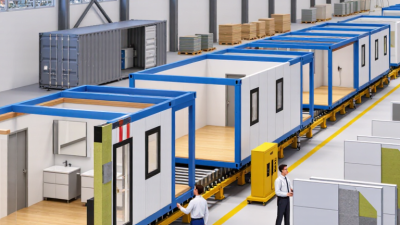
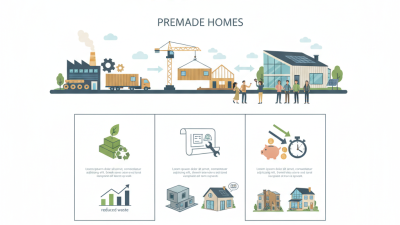
Fabricated homes are dwellings made partly or largely in a controlled factory environment. Workers assemble wall panels, floor sections, roof frames, or complete room modules indoors. This approach protects materials from rain and reduces delays caused by poor weather. It can also improve cutting accuracy and limit construction waste. However, “factory-built” does not automatically mean high quality.
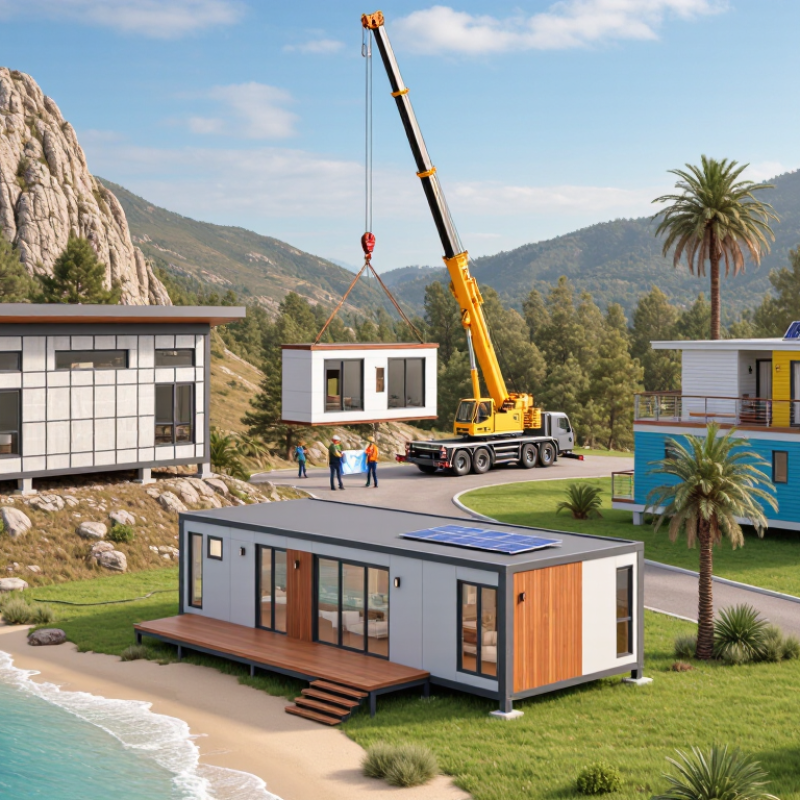
The building process usually begins with a site survey and a detailed digital design. Engineers check soil conditions, local wind loads, fire rules, insulation requirements, and transport access. Factory teams then cut materials, install wiring and plumbing, and seal wall assemblies under consistent conditions. Inspectors examine each stage before sections leave the facility. On site, a crane places the modules onto a prepared foundation. Crews connect utilities, seal joints, and complete exterior finishes.
The smallest details matter. A poorly sealed roof joint can allow moisture behind the insulation. A narrow road may prevent delivery, even when the house design is excellent. Buyers should request structural drawings, material specifications, warranty terms, and evidence of code compliance. Independent inspections remain valuable, because factory checks cannot detect every site-related problem. The process is efficient, but not flawless. I would also question designs that promise extreme speed without explaining foundation work, transport limits, and local approvals. A practical fabricated home balances controlled production with careful decisions on the actual building site.
Which Types of Fabricated Homes Suit Global Buyers?
Global buyers need fabricated homes that match local climates, building codes, and daily routines. Modular homes suit families seeking larger spaces with faster factory production. Their rooms arrive as completed sections, including wiring, insulation, and interior finishes. However, transport limits can restrict width and increase delivery costs in remote regions.
Panelized homes work well for buyers who want flexible designs and easier shipping. Wall and roof panels pack efficiently, then local crews assemble them on prepared foundations. This option suits sloped sites, island properties, and areas with limited road access. Buyers should confirm the panel’s insulation rating before purchase. A beautiful plan can perform poorly in humid or freezing weather.
Light-gauge steel homes offer strong resistance to termites, moisture, and certain fire risks. They can suit coastal or tropical regions when protective coatings and ventilation are properly specified. Concrete-based fabricated homes may provide thermal stability in hot climates, though heavy components demand reliable transport and lifting equipment. Tiny fabricated homes appeal to single occupants and rental investors, but storage and privacy can become frustrating over time.
Local approval matters more than factory speed. Buyers should request structural calculations, material certificates, energy data, and installation instructions. An independent surveyor can inspect the foundation and finished work. I would avoid choosing solely from photographs. They hide road conditions, drainage problems, and uncomfortable room temperatures. A slightly slower system may be the wiser choice.
What Are the Top Fabricated Homes for Global Buyers?
Typical on-site assembly time by fabricated-home type. Shorter assembly periods can help international buyers reduce exposure to local weather delays, labor availability, and extended construction disruption. Actual timelines vary according to design complexity, permits, site preparation, utilities, and shipping.
Indicative industry ranges shown as representative midpoint estimates in weeks; local approvals, foundations, transport, and utility connections are not included.
What Materials, Designs, and Features Define Top Fabricated Homes?
Top Fabricated Homes for Global Buyers: Materials, Designs, and Features
Top fabricated homes begin with materials that travel well and perform reliably. Galvanized steel frames offer strength, precise assembly, and resistance to moisture. Engineered timber can reduce weight and create warmer interiors. Fiber-cement panels provide a durable exterior with limited maintenance. These choices matter in coastal, humid, cold, and seismic regions.
According to the UNEP 2023 Global Status Report for Buildings and Construction, buildings consume about 34% of global energy and produce around 37% of energy and process-related emissions. Efficient insulation, airtight joints, low-emission windows, and heat-pump systems are therefore practical features, not decorative extras. The McKinsey report Modular construction: From projects to products estimates that modular building could create more than 100 billion dollars in annual value across major real-estate markets. Factory precision also reduces weather delays and material waste. It does not remove every problem. Transport limits still shape the final design.
Tips:
Ask for verified thermal values, wind ratings, fire documentation, and maintenance records. Confirm local foundation, utility, and delivery requirements before choosing a floor plan. Flexible rooms help buyers adapt the home over time. Yet excessive flexibility can make spaces feel generic. A compact kitchen, shaded outdoor area, and generous storage often serve global buyers better than impressive but unused features.
How Do Fabricated Homes Compare in Cost, Quality, and Sustainability?
For global buyers, fabricated homes usually fall into three types: modular, panelized, and hybrid systems.
Modular homes arrive as factory-built sections, while panelized homes use prepared walls, floors, and roof components. Hybrid designs combine factory precision with local construction. The best choice depends on climate, transport distance, land access, and local building rules.
Cost can be lower because factories reduce material waste and control labor hours. However, shipping, cranes, foundation work, taxes, and site preparation may change the final budget. A low factory price can mislead. Quality is often consistent, especially when moisture control and inspections are carefully managed. Yet poor installation can create leaks, uneven floors, or weak connections. I have found that factory quality matters less when local supervision is absent. Buyers should request structural drawings, material specifications, warranty terms, and independent inspection records.
Tips:
Compare complete project costs, not catalog prices. Ask how the home performs in your climate. Check insulation, ventilation, fire resistance, and replacement-part availability. For sustainability, look for efficient insulation, durable finishes, low-waste production, and recyclable materials. Smaller homes usually require fewer resources, but transportation can reduce that advantage. Solar readiness is useful, though it does not automatically make a home sustainable. Some advertised environmental claims need closer examination.
What Should Global Buyers Consider Before Purchasing a Fabricated Home?
Global buyers should examine more than the floor plan when choosing a fabricated home. A polished showroom model can hide practical limits. Check the home’s certification, structural calculations, and energy performance for your destination country. Local building rules may differ sharply from the factory’s standards. A design approved elsewhere may still require new engineering documents.
Land conditions deserve equal attention. Ask whether the foundation suits rocky ground, loose soil, flooding, or strong seasonal winds. Request a written site survey before paying a deposit. Transport also affects the real price. Narrow roads, port handling, cranes, and local assembly can add thousands of dollars. These costs are easy to overlook.
Climate testing should be specific. A cold region may need stronger insulation and protected plumbing, while a humid coast requires corrosion-resistant fixings. Examine window seals, roof drainage, ventilation, and moisture barriers in person or through detailed inspection records. Confirm who handles permits, utility connections, repairs, and warranty claims after delivery. Time zones and language differences can slow every decision. Currency changes may also affect the final budget.
Buyers should inspect the payment schedule carefully. Avoid relying only on digital images. A small material sample cannot reveal noise, heat, or movement inside a finished room. Independent professionals can review contracts and construction quality before shipment. Some assumptions may prove wrong. A cheaper home is not always cheaper to own. Check insurance availability, resale demand, and future replacement parts before committing.