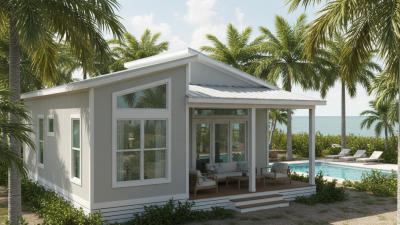
Top 10 Prefab House Kits You Need to Consider for Your Next Project?
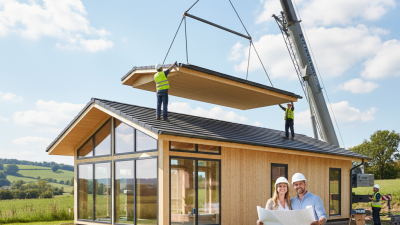
When it comes to building your dream home, prefab house kits offer a revolutionary solution. These kits provide a range of stylish options that are both affordable and sustainable. Prefab house kits can be tailored to suit your unique vision while simplifying the construction process. By reducing waste and labor, they present an attractive alternative to traditional building methods.
In recent years, the demand for prefab house kits has surged. Homebuyers are eager to explore innovative designs that fit their lifestyles. These kits can be assembled quickly, often within a matter of weeks. However, it’s crucial to consider various factors, including quality and customization options. Not all kits are created equal, and making an informed choice can be challenging.
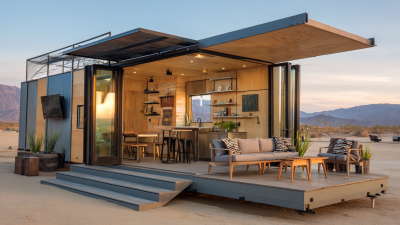
Exploring the market reveals a diverse array of prefab house kits available today. Some prioritize eco-friendliness, while others focus on modern aesthetics or budget-friendliness. It’s essential to research thoroughly. Each option has its pros and cons. Embracing this journey can lead to exciting discoveries about what is possible in home design.
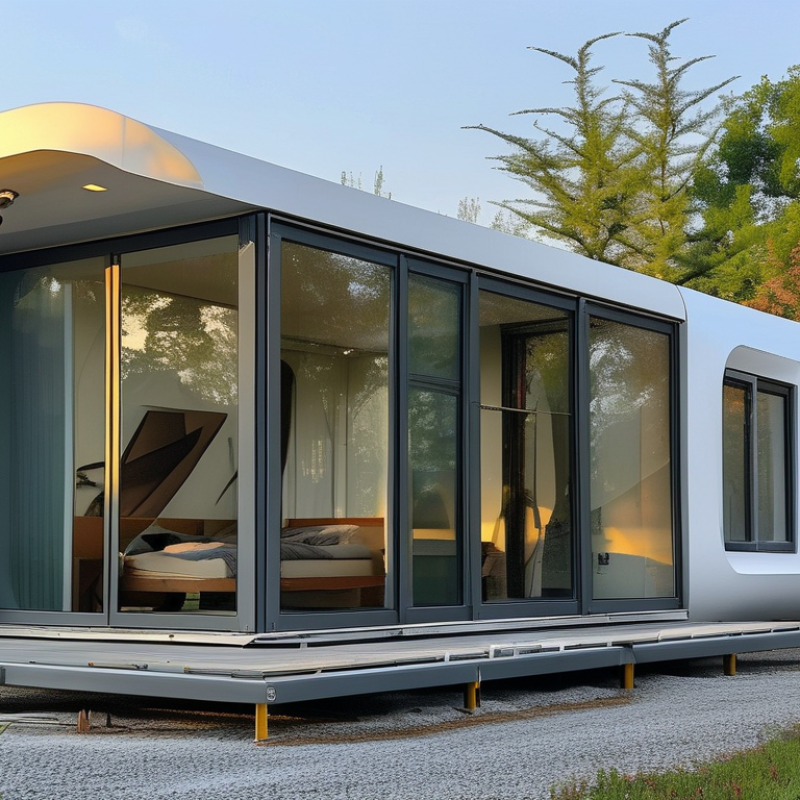
Understanding Prefab House Kits: A Modern Approach to Housing
Prefab house kits represent a modern solution to housing needs, combining affordability and efficiency. According to a report by the National Association of Home Builders, about 15% of new homes in the U.S. are now modular or prefabricated. This number continues to grow as more individuals seek sustainable living options, pushing the market for these kits to expand.
Building with prefab kits often results in less waste. Studies indicate that off-site construction can reduce material waste by up to 25%. However, many builders still overlook the importance of proper planning. A thoughtful layout can enhance both space and functionality, avoiding future adjustments and renovations.
Tips: Consider site access and local zoning laws before choosing a kit. Every location has its nuances. Emphasizing energy efficiency in your design can greatly improve long-term savings.
The prefab industry isn't without challenges. Some kits may have a limited selection of designs or sizes. Homeowners should research thoroughly to avoid frustrations later. Understanding available options is crucial to making an informed decision.
Criteria for Selecting the Best Prefab House Kits for Your Build
When selecting a prefab house kit, there are several key criteria to consider. First, evaluate the design options. A variety of architectural styles allows for better customization. You want something that fits your vision and needs. Check the layout options too. Each home might offer different floor plans. Make sure they work for your lifestyle.
Next, consider the materials used in construction. Quality materials contribute to durability and energy efficiency. Investigate if the kit uses sustainable resources. This can lower your environmental footprint. It's also worth assessing the insulation and construction methods. Proper insulation can significantly reduce energy costs.
Finally, look into the assembly process. Some kits require professional help, while others may be DIY-friendly. Determine your own skills before proceeding. You might find some kits more user-friendly than others. Each choice has its advantages and drawbacks. Reflect on your situation and choose wisely.
Top 10 Prefab House Kits: Features and Unique Offerings
Prefab house kits have gained popularity due to their affordability and efficiency. According to a report from the U.S. Census Bureau, prefabricated homes can reduce construction time by up to 30%. This speed can lead to quicker occupancy, which is a significant advantage in today’s housing market. Many kits offer customizable options, allowing homeowners to tailor designs to their needs. Features like energy-efficient materials and smart home technology are increasingly common.
While these kits present various benefits, potential buyers must consider their limitations. Some prefab houses may lack the charm of traditionally built homes. Additionally, local zoning laws can sometimes restrict where these houses can be placed. Industry experts recommend thorough research on regulations before committing to a kit. This ensures that the chosen model complies with local building codes while fitting the buyer's vision and needs.
Another aspect to reflect on is the resale value. A study by MarketWatch reported that some prefab homes appreciate slower than conventional homes. It’s vital for buyers to weigh their options carefully. Choosing designs that resonate with local aesthetics can enhance long-term value. Overall, exploring the unique offerings of different prefab kits can lead to informed decision-making.
Top 10 Prefab House Kits You Need to Consider for Your Next Project
| Prefab House Kit |
Size (sq ft) |
Price Range |
Key Features |
Unique Offerings |
| Compact Home Kit |
400 |
$25,000 - $35,000 |
Eco-friendly materials |
Quick assembly |
| Modern Family Home Kit |
1200 |
$75,000 - $100,000 |
Open floor plan |
Customizable layouts |
| Luxury Cabin Kit |
800 |
$60,000 - $80,000 |
Rustic design |
Sustainable wood |
| Tiny House Kit |
250 |
$15,000 - $25,000 |
Maximized space |
Off-grid options |
| Eco Lodge Kit |
600 |
$40,000 - $60,000 |
Sustainable design |
Green features |
| Beach House Kit |
1400 |
$90,000 - $120,000 |
Elevated design |
Ocean view options |
| Urban Studio Kit |
500 |
$30,000 - $50,000 |
Compact design |
Multi-functional |
| Stylish Chalet Kit |
1000 |
$70,000 - $95,000 |
Charming aesthetics |
Mountain-themed |
| Family Retreat Kit |
1800 |
$100,000 - $150,000 |
Large living space |
Home office setup |
| Artist Studio Kit |
300 |
$20,000 - $30,000 |
Natural light focus |
Creative workspace |
Cost Comparison of Prefab Kits vs. Traditional Building Methods
When comparing prefab kits to traditional building methods, cost is a major consideration. Prefab kits often have a lower initial cost due to their efficient manufacturing process. Standardized parts reduce waste and save time. Traditional methods can include unexpected costs like labor and delays. However, it's essential to calculate all ongoing expenses too.
Tip: Research local labor rates before deciding. Depending on your location, costs may vary. Sometimes, prefab kits require skilled labor for assembly, which could impact your overall budget. Look into financing options applicable to prefab homes. This can help manage the cost better.
Prefab homes can be energy-efficient, leading to lower utility bills. Traditional homes often have higher long-term costs due to their construction style. But a prefab kit might have upfront expenses that catch you off guard. Consider hidden costs such as permits and site preparation.
Tip: Always include a contingency budget. Unforeseen issues can arise during construction, affecting total cost. A well-planned budget can help mitigate stress and keep your project on track. Be prepared for potential setbacks and stay flexible.
Sustainability and Energy Efficiency in Prefab House Kits
Sustainability is essential in modern construction.
Prefab house kits offer a unique solution for eco-friendly living. These homes can be energy-efficient and resource-conscious. Many designs utilize sustainable materials, which reduces waste and minimizes the carbon footprint.
Energy efficiency is a key feature of many prefab kits. They often include insulation and advanced windows. Such materials enhance thermal performance, meaning less energy use for heating and cooling.
Some homes even integrate renewable energy systems. Solar panels can be added easily, supporting a self-sufficient lifestyle.
However, not all prefab kits are created equal. Some may overlook crucial aspects of energy use. It's important to research each option thoroughly. Investigate the materials and techniques used, and reflect on how they align with your sustainability goals. Your choice matters for both your comfort and the planet.