Top 10 Pre Fabricated Houses in China for Global Buyers?
The market for Pre Fabricated Houses in China is booming. This trend attracts global buyers looking for affordable and versatile housing solutions. These homes are known for quick assembly and cost-effectiveness. Manufacturers in China offer a range of designs, materials, and sizes.
Many buyers appreciate the customization options available. However, it's important to consider quality and sustainability. Not all prefabricated options meet high standards. Researching manufacturers is essential before making a decision.
The appeal of Pre Fabricated Houses lies in their ability to solve housing shortages. They provide a solution for both urban and rural living. There are challenges, though. Ensuring long-term durability and addressing installation issues are crucial. Both buyers and sellers must be aware of these factors to make informed choices.
Overview of Prefabricated Housing Market in China
The prefabricated housing market in China has witnessed significant growth over recent years. The rising demand for affordable housing solutions drives this trend. With urbanization accelerating, many turn to prefabricated houses for their quick assembly and cost-effectiveness. These homes often come with eco-friendly designs and energy-efficient materials, making them appealing to global buyers.
However, navigating this market can be challenging. Potential buyers should research local regulations and construction norms before making decisions. Understanding the quality standards of prefabricated houses is crucial. Some manufacturers may not meet global standards, leading to structural issues or sustainability concerns. Tips for buyers include visiting production sites to assess quality and asking for material certifications.
Market trends suggest that innovation is key. Many companies are embracing advanced technology to improve efficiency and design. This fast-evolving sector often presents options that may not be broadly known yet. Always seek expert advice and stay updated on market developments for informed purchasing. Engage with local architects or construction professionals who understand the nuances of prefabricated housing in China.
Key Players in China's Prefabricated House Industry
The prefabricated house industry in China has seen significant growth in recent years. By 2025, the market is expected to reach a staggering $200 billion, according to industry reports. Leading players are focusing on innovations to enhance efficiency and sustainability. This shift is critical as more consumers demand environmentally friendly housing options.
Several companies dominate this landscape. They emphasize modular design and advanced manufacturing processes. Reports indicate that these firms are investing heavily in technology to streamline production. However, challenges remain. Quality control and safety standards need continual improvement. The industry faces scrutiny over materials and construction practices.
Experts suggest that collaboration among industry stakeholders could enhance credibility. Building trust with global buyers is essential for sustained growth. As the industry evolves, ensuring high standards will become increasingly important. Adaptation to market trends will also play a key role in the success of these key players.
Top 10 Prefabricated House Designs Popular with Global Buyers
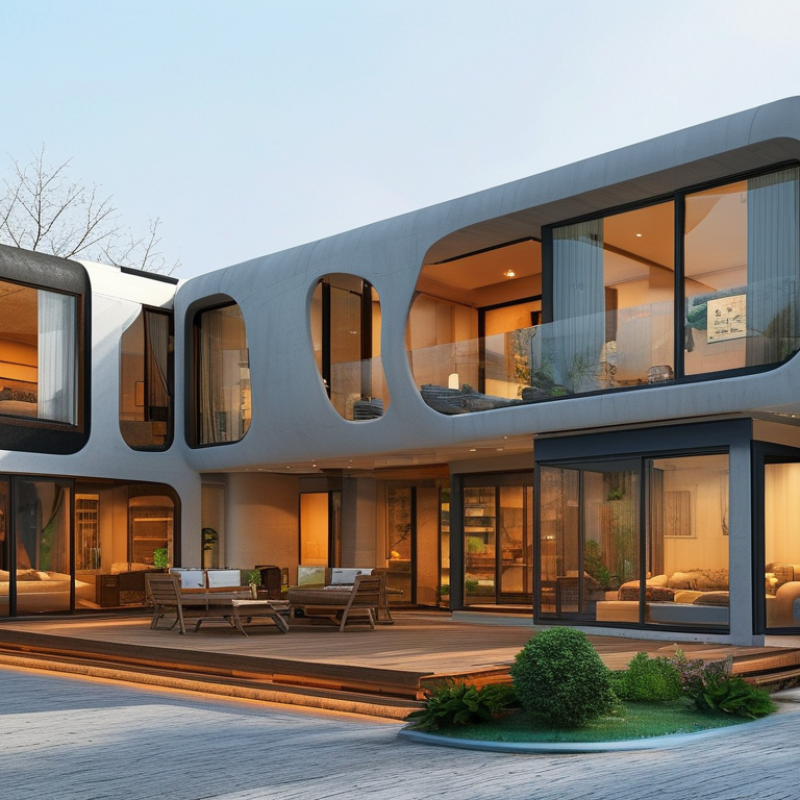
Prefabricated houses are gaining popularity among global buyers. These homes offer unique designs and quick construction times. In China, innovative prefabricated house designs cater to varying tastes and needs. Some designs focus on eco-friendliness, while others offer modern aesthetics. Features such as energy-efficient materials and smart home technology are often included.
Consider the layout before choosing a design. Open floor plans are popular for family living. They allow natural light to flow through the space. However, smaller designs can sometimes feel cramped. Reflect on the size of your family and future plans for expansion.
Make sure to check the insulation quality in prefabricated houses. Good insulation is key to energy savings. It impacts your heating and cooling costs. Think about the climate of your location as well. A house that looks great may not be practical if it isn't built for your local weather conditions. Pay attention to these details to ensure you make a sound investment.
Top 10 Prefabricated House Designs Popular with Global Buyers
Cost Efficiency and Sustainability of Prefabricated Housing Solutions
The rise of prefabricated housing in China presents a unique opportunity for global buyers, emphasizing cost efficiency and sustainability. Prefabricated houses are designed to be constructed quickly and economically. This approach reduces labor costs, minimizes waste, and shortens the construction time significantly. Many designs allow for rapid assembly, often in just a few weeks.
Sustainability is another crucial element of prefabricated housing. These homes often utilize eco-friendly materials. Many are designed to be energy efficient, incorporating advanced insulation that helps reduce heating and cooling costs. However, the overall environmental impact depends on the sourcing of materials. Buyers must consider whether the components come from sustainable practices.
Globally, there are clear calls for more sustainable housing solutions. Yet, there are challenges. Not all prefabricated homes guarantee high quality. The perception of flimsy construction looms large. Buyers should prioritize research to ensure they are investing in durable housing. While many prefabricated options exist, assessing long-term value is essential.
Future Trends in Prefabricated Housing in China for International Clients
The future of prefabricated housing in China holds significant promise for international buyers. With rapid urbanization, the demand for affordable and efficient housing solutions continues to rise. Many companies are innovating to create sustainable homes that are both cost-effective and stylish. Modern designs often incorporate eco-friendly materials, emphasizing minimal waste and energy efficiency.
Tips: When considering a prefabricated home, research local regulations. Ensure your chosen model complies with building codes. Environmental factors also play a key role, especially in regions prone to extreme weather.
Emerging trends include smart technology integration and modular designs that allow for customization. Buyers can opt for flexible layouts, adapting their homes to their unique lifestyles. Companies are also focusing on speed; homes can be assembled in a fraction of the time it takes traditional construction. However, there can be challenges in quality control and long-distance communication with manufacturers.
Tips: When communicating with suppliers, clarify timelines and inquire about warranties. Do not overlook the importance of inspecting materials before final assembly. This diligence can help avoid potential disappointments with delivery and quality.
Top 10 Pre Fabricated Houses in China for Global Buyers
| Model | Material Type | Size (sq ft) | Price (USD) | Features |
| Model A | Steel Frame | 800 | 30,000 | Eco-Friendly, Quick Assembly |
| Model B | Wooden | 1200 | 45,000 | Sustainable, Insulated |
| Model C | Concrete | 1000 | 50,000 | Durable, Fire-Resistant |
| Model D | Modular | 900 | 35,000 | Customizable, Quick Delivery |
| Model E | Steel and Glass | 1500 | 70,000 | Modern Design, High Efficiency |
| Model F | Eco-Friendly Panels | 1100 | 40,000 | Energy Saving, Green Materials |
| Model G | Composite Materials | 1300 | 65,000 | Durability, Aesthetic Appeal |
| Model H | Hybrid | 950 | 55,000 | Versatile, Flexible Design |
| Model I | Bamboo | 800 | 28,000 | Sustainable, Unique Design |
| Model J | Lightweight Steel | 1000 | 48,000 | Quick Assembly, Lightweight |