Top PTFE Fitting Pipe Options for Global Buyers?
The global market for Ptfe Fitting Pipes continues to expand, driven by their unmatched chemical resistance and thermal stability. According to a recent report by Grand View Research, the global PTFE market is expected to reach $5.2 billion by 2027, highlighting the increasing demand for reliable plumbing solutions. PTFE, or polytetrafluoroethylene, is vital in various industries, including chemical processing, pharmaceuticals, and food production. Its ability to withstand harsh environments makes it a preferred choice for many applications.
However, selecting the right PTFE fitting pipe requires careful consideration. Not all PTFE fittings are created equal. Buyers must assess factors like size, compatibility, and pressure ratings. A study by MarketsandMarkets indicates that improper fittings can lead to leaks and costly downtime. This necessitates a focus on quality over price—cheap alternatives may result in failure and safety hazards.
Choosing PTFE fitting pipes may appear straightforward, but the details matter greatly. There are several variables at play, including installation methods and maintenance needs. Even experienced professionals can overlook critical aspects. Therefore, a deeper understanding of PTFE fitting pipes is essential for global buyers looking to ensure safety and efficacy in their piping systems.
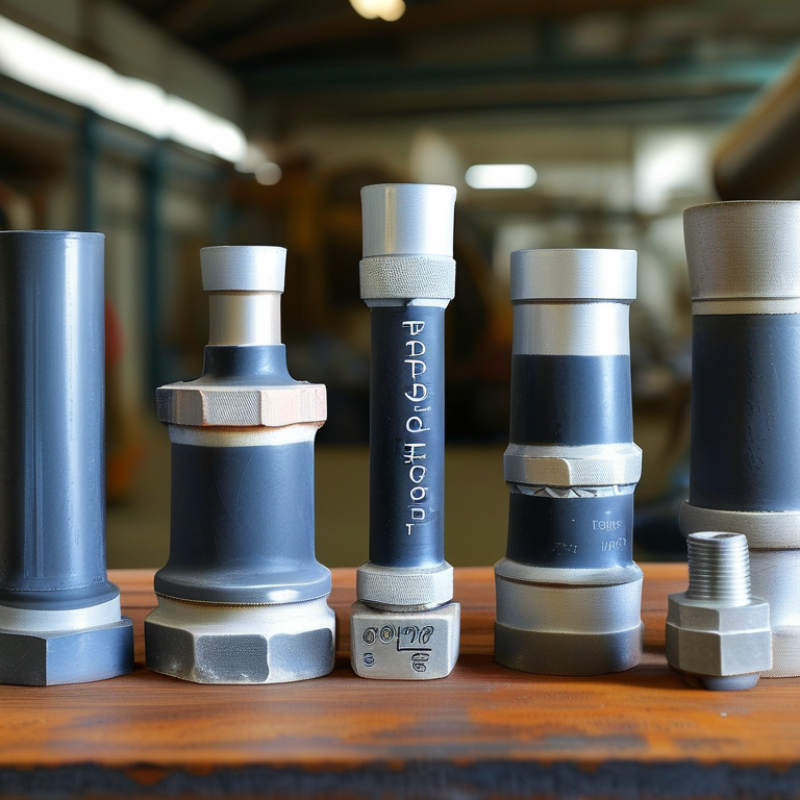
Overview of PTFE Fittings and Pipes in Global Markets
PTFE fittings and pipes are vital in various global industries. Their chemical resistance and thermal stability make them ideal for demanding environments. According to a recent market report, the global PTFE pipe market is expected to grow at a CAGR of 5.2% from 2023 to 2030. This growth is driven by increasing demand in chemical processing and pharmaceutical sectors.
Tip: When selecting PTFE fittings, consider their temperature and pressure ratings. This ensures compatibility with your specific application. Some fittings may not perform well under extreme conditions, which can lead to failures.
In many regions, PTFE pipes are becoming the preferred choice due to their reliability. However, sourcing high-quality fittings can be challenging. A 2022 industry analysis suggested that improper installation can lead to significant leaks and downtime. This is a reminder to prioritize quality and proper training for installation teams.
Tip: Invest in training for your staff. Knowledgeable teams can prevent costly errors during installation. Regular audits of your fittings' integrity can enhance safety and longevity in your systems.
Key Characteristics of High-Quality PTFE Fittings
When selecting high-quality PTFE fittings, it's essential to understand their key characteristics. One significant feature is chemical resistance. PTFE fittings can withstand a wide range of corrosive substances. This property makes them suitable for harsh environments. Additionally, the temperature tolerance of PTFE fittings stands out. They can operate effectively in both high and low temperatures without degrading.
Another critical aspect is the sealing capability. A well-manufactured PTFE fitting provides excellent sealing performance. This prevents leaks and maintains system integrity. Look for fittings that have undergone rigorous testing for quality assurance. Pay attention to the fitting's design as well. Precise manufacturing ensures a snug fit, which is crucial for performance.
Additionally, you may find some PTFE fittings that do not meet all these criteria. Inconsistencies in quality can arise from various sources. It’s essential to reflect on these discrepancies when making a purchase. Just because a fitting is available does not mean it is suitable. Quality control measures can significantly influence an item's reliability over time. Always consider the source of your fittings for optimal performance in your applications.
Top PTFE Fitting Pipe Options for Global Buyers
Top Global Manufacturers of PTFE Pipe Fittings
When considering top global manufacturers of PTFE pipe fittings, it's essential to highlight the industry's growth. According to recent market reports, the global PTFE market is projected to reach USD 3.89 billion by 2026, with a CAGR of 6.5%. This growth indicates rising demand for high-performance materials in various sectors, including chemical processing and pharmaceuticals.
Manufacturers play a critical role in ensuring the reliability and quality of PTFE fittings. Various production techniques contribute to variations in physical properties, affecting the final product's performance. Data suggests that about 50% of manufacturers utilize advanced fluoropolymer technology to enhance chemical resistance. However, not all manufacturers maintain the same quality standards, leading to potential inconsistencies in product performance.
In this competitive landscape, buyers must be well-informed about manufacturers' credentials and certifications. Not all companies provide transparency regarding their production processes. Some may prioritize cost over quality, leading to failures in specific applications. Therefore, assessing manufacturers through independent reviews and industry certifications becomes crucial for ensuring reliability. Engaging with collective industry knowledge can also help mitigate risks related to inferior products.
Top PTFE Fitting Pipe Options for Global Buyers
| Pipe Fitting Type | Size (inches) | Pressure Rating (psi) | Material Grade | Temperature Range (°C) | Applications |
| Elbow | 1/2 | 1500 | Grade A | -200 to 260 | Oil & Gas, Chemical Processing |
| Tee | 3/4 | 1200 | Grade B | -196 to 260 | Pharmaceuticals, Food Industry |
| Reducer | 1 & 1/4 to 1 | 1000 | Grade C | -200 to 200 | Pulp & Paper, Water Treatment |
| Cap | 2 | 2500 | Grade D | -250 to 270 | Chemical Storage, Aerospace |
| Flange | 3 | 1500 | Grade A | -200 to 260 | Mechanical Engineering, Oil Refining |
| Union | 1/2 | 1600 | Grade B | -196 to 250 | Pharmaceuticals, Chemical Processing |
Comparative Analysis of PTFE Fittings for Various Applications
When choosing PTFE fittings, it is crucial to consider their specific applications. PTFE, or polytetrafluoroethylene, is renowned for its exceptional chemical resistance and high-temperature tolerance. A recent industry report highlighted that over 60% of global users opt for PTFE fittings in industries such as pharmaceuticals, chemicals, and food processing. This broad applicability stems from PTFE's ability to maintain integrity under harsh conditions.
The variations in PTFE fitting designs further enhance their application versatility. For instance, a comparative study showed that different types of PTFE fittings, such as elbows and unions, each serve unique functions. Elbows are favored for their ability to navigate tight spaces, while unions allow for easy disassembly. Yet, not all PTFE fittings perform equally well. Quality discrepancies can impact fluid flow and pressure ratings. Industry experts recommend thorough evaluations to ensure optimal performance for specific applications.
Moreover, environmental considerations are rising in importance. A survey indicated that 75% of manufacturers are prioritizing sustainability in sourcing materials, including PTFE. However, sourcing sustainable PTFE remains a challenge due to limited availability. Companies need to reflect on their procurement strategies to align with eco-friendly practices without compromising functionality. The evolving landscape of PTFE fitting applications presents opportunities for innovation, yet it also requires careful consideration of performance, quality, and sustainability.
Guidelines for Selecting the Right PTFE Fitting and Pipe
When selecting PTFE fittings and pipes, it’s essential to consider various factors that impact their performance and durability. PTFE, or polytetrafluoroethylene, is known for its exceptional chemical resistance and temperature tolerance, making it suitable for many industrial applications. A report from the Global PTFE Market reveals that the demand for high-quality PTFE fittings is projected to grow by 6% annually. This growth indicates the increasing reliance on reliable materials in diverse sectors, such as pharmaceuticals and food processing.
Understanding the specifications of PTFE fittings is crucial. Buyers should evaluate factors like pressure ratings and connection types. For example, a common pressure rating for PTFE pipes is 150 psi, which may vary depending on the application. Companies often face challenges when selecting the appropriate fitting, especially when dealing with high-stress environments. Additionally, some PTFE fittings may not meet standards, leading to installation errors. Such discrepancies can cause leaks or reduced efficiency.
Also, consider the manufacturing standards associated with PTFE products. Reliable certifications, such as ISO 9001, can indicate the quality of the fittings. However, buyers should be wary of options that lack such documentation. Reports indicate that up to 30% of non-compliant fittings can lead to system failures. Prospective buyers need a structured approach to ensure they choose dependable options that align with their operational demands. Making informed decisions can significantly enhance performance and safety in the long run.