Top 10 Small Prefab Homes to Buy in China Today?
In recent years, small prefab homes have gained popularity in China. These compact dwellings offer an affordable and efficient housing solution. They combine modern design with sustainability, appealing to diverse lifestyles. Homebuyers appreciate their quick construction timelines and reduced environmental impact.
China's growing urban population drives the demand for innovative housing. Small prefab homes are ideal for those seeking a minimalist lifestyle or an alternative to traditional homes. Notably, they cater to young professionals and families. However, choosing the right model can be overwhelming.
While various options exist, it's essential to consider personal needs. Some small prefab homes may lack the space desired for larger families. Builders often prioritize efficiency over expansive layouts. In this article, we explore the top 10 small prefab homes currently available in China. Each option has its unique features and drawbacks, providing insights for potential buyers.
Overview of Prefab Homes Market in China
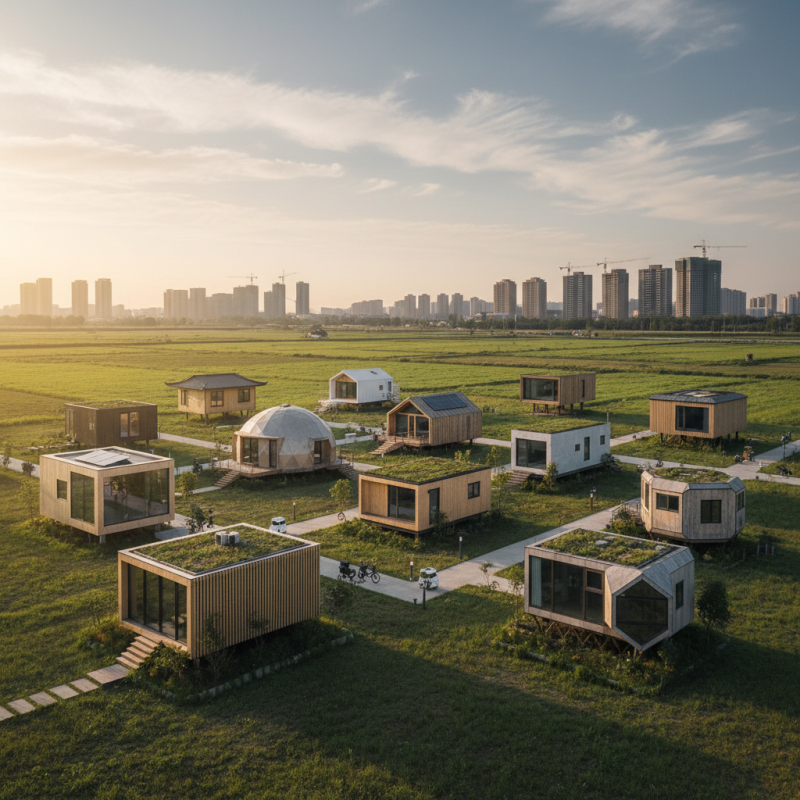
The prefab homes market in China is experiencing rapid growth. Recent reports indicate that the market is expected to reach $25 billion by 2025, driven by increasing urbanization and a demand for affordable housing. Construction technology improvements are making prefab homes more appealing, with reduced build time attracting homeowners.
One essential aspect of prefab homes is sustainability. Many designs incorporate eco-friendly materials and energy-efficient systems. However, it's crucial to evaluate the long-term durability of these materials. In addition, some prefab homes may not offer adequate insulation against China's diverse climate, leading to potential energy inefficiency.
Tip: When considering a prefab home, research local builders. Look for those with a track record of quality and reliability. Understand zoning laws in your area, as restrictions can impact your purchase.
The customization options in prefab homes are tempting. However, those seeking specific designs might find limitations. Ensure that your desired configurations fit within the manufacturer’s offerings. Customization can increase costs significantly, so weigh the benefits against your budget constraints.
Benefits of Choosing Small Prefab Homes
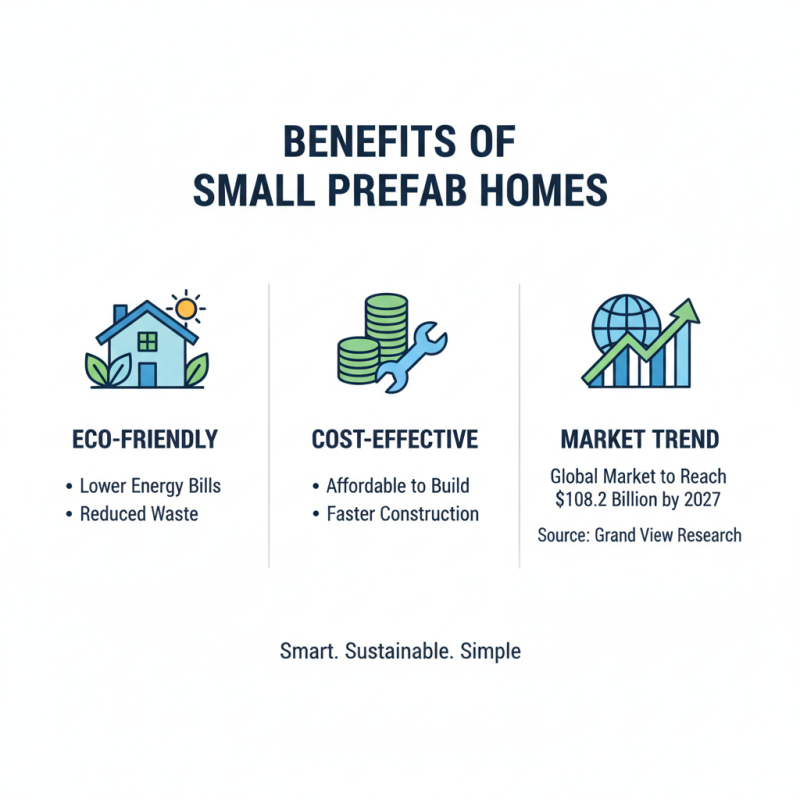
Choosing small prefab homes offers many benefits for potential homeowners. These homes are known for their efficiency and sustainability. According to a recent report by Grand View Research, the global prefab housing market is projected to reach USD 108.2 billion by 2027, indicating a significant shift towards modular living solutions. Small prefab homes often have lower energy consumption than traditional homes. This is appealing for environmentally conscious buyers.
Moreover, the construction time for these homes is drastically reduced. Traditional homebuilding can take several months or even years. In contrast, prefab homes can be completed in weeks. This is particularly useful in urban areas where time is of the essence. A report from the National Association of Home Builders highlights that prefabricated construction can cut labor costs by up to 10%, making it a cost-effective option.
However, challenges exist. Limited design flexibility can pose questions for buyers seeking unique aesthetics. Moreover, zoning regulations in various regions may restrict prefab home placement. Some potential buyers may hesitate because of these factors. Buyers should carefully research local regulations and options. Despite these concerns, the benefits of small prefab homes are undeniable, making them an attractive choice for many.
Top 10 Small Prefab Home Models Available Today
In recent years, the market for small prefab homes in China has witnessed substantial growth. According to the China Prefabricated Building Industry Association, the demand for prefab housing has increased by over 20% annually. This surge is driven by urbanization and the need for affordable housing solutions. As urban areas continue to expand, the efficiency and cost-effectiveness of small prefab homes make them an appealing option.
Several models stand out in today's market. The simplicity of design and rapid construction are key factors driving their popularity. Many prefab homes can be set up within weeks, providing immediate housing solutions. Reports indicate that about 60% of buyers highlight eco-friendliness as a crucial consideration. These homes often use sustainable materials and energy-efficient designs.
Despite the advantages, there are challenges to consider. Not all designs are suited to every climate, which can limit choices. Some prefab homes may also lack adequate customization options. Potential buyers should weigh these factors carefully. Finding the right balance between affordability and meeting specific needs can be tricky but is essential for long-term satisfaction.
Top 10 Small Prefab Homes to Buy in China Today
Factors to Consider When Buying Prefab Homes
When considering buying prefab homes in China, several factors come into play. The size and layout of the home are crucial. Customers should assess their space needs accurately. For example, a couple might prefer a compact design, while a family may need more rooms for children.
Inspecting the materials used is important too. Some materials may be more durable than others, impacting the home’s longevity.
Energy efficiency is another critical point. Homes equipped with good insulation can lead to significant savings on heating and cooling costs. Buyers should also think about transportation and assembly. Depending on the location, delivery times may vary. Understand the availability of vendors in your area. Sometimes, permits and local regulations can complicate delivery timelines, causing frustration.
Lastly, potential buyers should reflect on resale value. Not all prefab homes maintain their worth over time. Assessing the local market and future developments can help inform this decision. Future needs should be anticipated. Will the home fit your lifestyle changes? These are essential inquiries that deserve thoughtful consideration before making a choice.
Future Trends in Small Prefab Housing in China
Small prefab homes are gaining traction in China. These homes are affordable and quick to assemble. With urbanization on the rise, more people seek efficient living solutions. The future of small prefab housing looks promising, fueled by innovation and sustainability.
The design of these homes is evolving. Many feature eco-friendly materials. Some incorporate solar panels for energy efficiency. But there are challenges. Local regulations can complicate construction. Not all areas have the infrastructure needed for prefab housing. Future trends highlight a need for adaptability in design and location. This is crucial as land use laws in urban areas become stricter.
Consumer preferences are shifting as well. Homebuyers want customizable spaces. Smart technology integration is also becoming important. These aspects allow owners to create environments that suit their lifestyles. However, there’s a risk of overselling these homes. Not everyone is ready for such a drastic change. Addressing these concerns will shape the future of prefab housing in China.