What is a Transportable Home and How Does It Work?
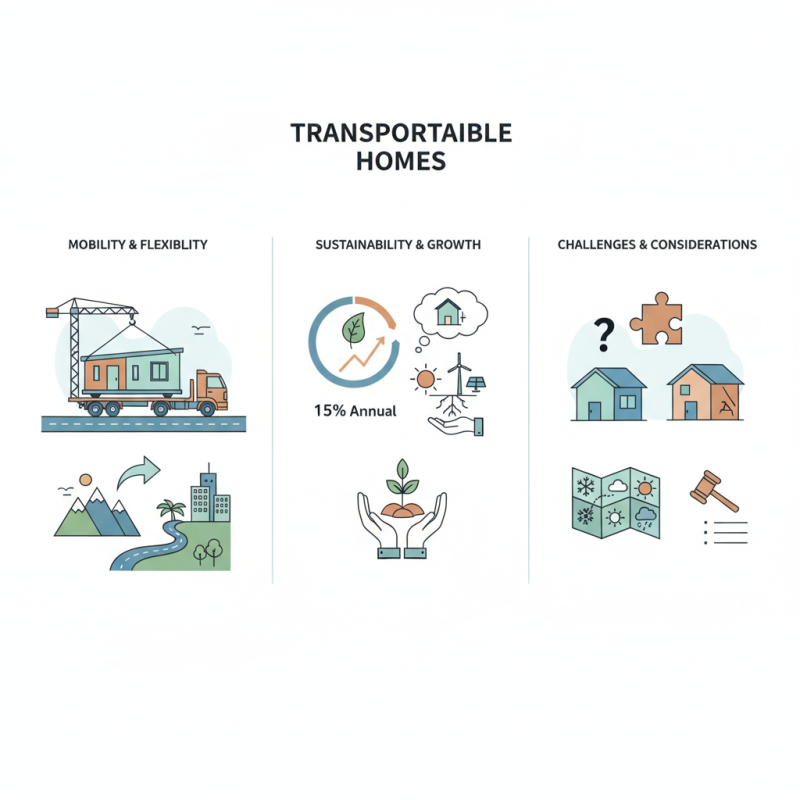
Transportable homes are gaining popularity in today's fast-paced world. These innovative structures allow for mobility and flexibility, catering to those seeking an adaptable lifestyle. According to a recent industry report by the Australian Housing and Urban Research Institute, the market for transportable homes has grown by 15% annually. This rise reflects a shift in consumer preferences towards homes that offer both convenience and sustainability.
Expert John Smith, a leading figure in the transportable home sector, states, "Transportable homes provide solutions to housing challenges while promoting a sustainable way of living." This highlights the evolving nature of housing solutions and the increasing demand for eco-friendly options. However, there are challenges to consider. Quality and durability can vary significantly among providers in this burgeoning market. Buyers must do their due diligence when selecting a transportable home, ensuring it meets both their needs and future expectations.
While transportable homes present exciting opportunities, it's essential to reflect on their practicality. Not every design is suitable for every environment. Climate factors and local regulations may complicate installation and mobility. A thoughtful approach is crucial as consumers navigate this transformative housing option.
What is a Transportable Home?
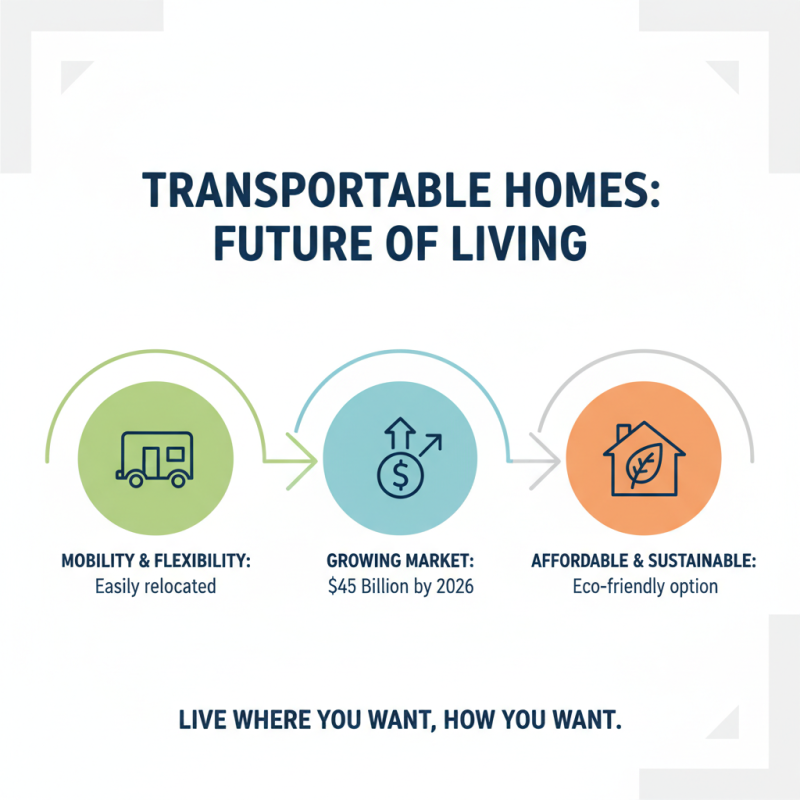
A transportable home is a type of dwelling designed for mobility. Unlike traditional houses, these homes can be moved from one site to another. This feature is beneficial for those who want flexibility in their living arrangements. According to industry reports, the market for transportable homes is rapidly growing, expected to reach $45 billion by 2026. This trend reflects a shift toward affordable and sustainable housing.
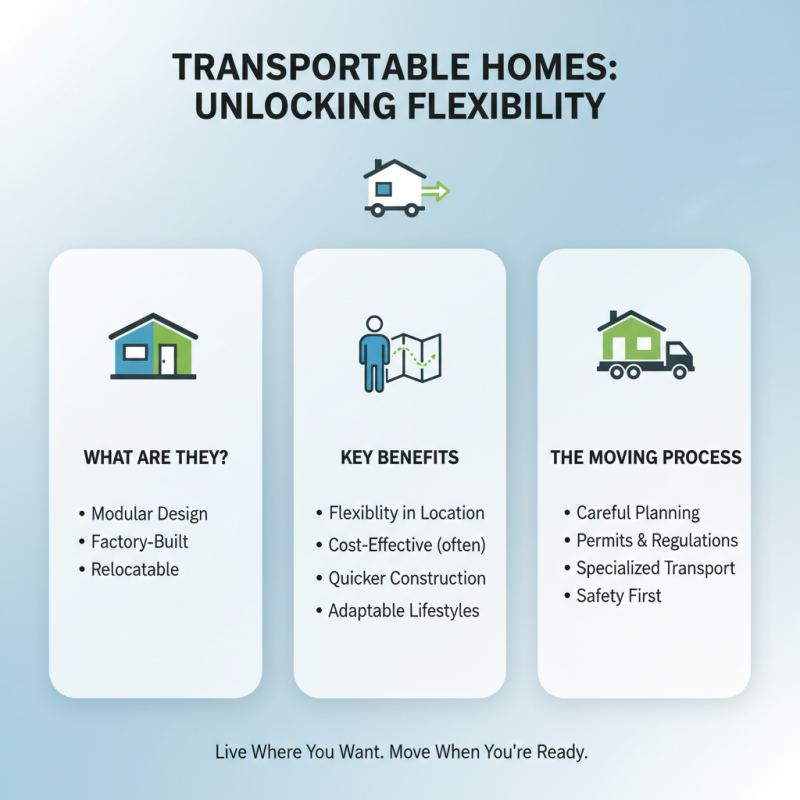
Transportable homes come prefabricated, meaning they are constructed in modules before being transported. The construction process typically takes less time than conventional building methods. However, potential buyers should consider the logistics of moving. Zoning laws and land permits vary by location. Understanding these factors is crucial for a smooth transition.
Tips: Always research your local regulations before purchasing. While transportable homes offer flexibility, they may not suit everyone’s lifestyle. Space can feel limited, especially for larger families. Prioritize your needs and consider future changes. Recognize that moving your home can come with unexpected issues. Whether it’s repairs from transportation or setup at the new site, these challenges require time and planning.
Key Features of Transportable Homes
Transportable homes offer a unique solution for modern living. These homes can be easily relocated, making them ideal for various lifestyles. According to reports, the transportable home market is projected to grow at a CAGR of 5.6% from 2022 to 2030. This growth highlights the increasing popularity of flexible housing options.
Key features of transportable homes include modular design, sustainability, and affordability. They often use eco-friendly materials that reduce environmental impact. Many homes come equipped with energy-efficient appliances, which help lower utility costs. Reports show that energy-efficient homes can save residents up to 30% on energy bills compared to traditional homes.
However, it’s essential to consider the downsides. Relocating a transportable home can involve significant costs. Additionally, zoning laws may restrict where these homes can be placed. Buyers should assess local regulations before making a decision. As the market evolves, the balance between flexibility and practicality will be crucial for potential homeowners.
Key Features of Transportable Homes
How Transportable Homes Are Constructed
Transportable homes, also known as mobile homes or prefabricated houses, are increasingly popular. Their construction involves modular design and off-site building techniques. This method allows for quicker assembly and reduces on-site waste.
The construction begins with selecting a sturdy foundation. It can be a flatbed trailer or a concrete slab. Then, walls and roofs are built in sections. This modular approach ensures consistent quality. The sections are transported to the site and assembled. Each section connects seamlessly.
Tips: When considering a transportable home, think about local zoning laws. Some areas have restrictions. Understanding these rules can save you time and effort.
Material selection is crucial. Insulation, siding, and roofing need to withstand various weather conditions. Each material serves a purpose. However, cheaper options may lead to repairs later. Reflect on long-term impacts before making choices. Both aesthetics and durability matter.
Advantages of Choosing a Transportable Home
Transportable homes offer a flexible housing solution for many. These homes are built in a factory and transported to your desired location. One major advantage is affordability. According to industry reports, transportable homes can reduce construction costs by up to 20-30%. This makes home ownership accessible for more people.
Another benefit is the ability to relocate. Families can move their homes without the expenses of traditional real estate. This is particularly valuable for those who work in mobile industries or wish to live near family or friends. Moreover, transportable homes often come with modern amenities. They can be customized to fit individual tastes, making them appealing and functional.
Tip: Consider your long-term plans before choosing a location. If you foresee moving in the near future, a transportable home is a smart investment.
However, there are challenges. Transportable homes may require permits, which can vary by location. Additionally, finding suitable land might pose difficulties. Research local regulations thoroughly to avoid surprises.
Tip: Always evaluate your chosen site for access to utilities. It's essential for comfort and convenience in your new home.
Moving and Installing Transportable Homes
Transportable homes offer unique flexibility in housing. Their design allows for easy relocation, making them popular for many lifestyles. Moving these homes involves careful planning. Proper preparation is essential to ensure safety during transit.
First, ensure that all utility connections are properly disconnected. This will prevent damage during transport. Additionally, check local regulations regarding transportation permits. Each area may have different requirements. Hiring professionals can simplify the moving process. They know the best routes and methods.
When installing a transportable home, selecting the right location is crucial. The ground should be level and stable. This prevents future issues with the structure. Some owners overlook this detail. It can lead to costly repairs afterward. Remember to consider sunrise and sunset angles. Placement affects natural light in living spaces.
**Tips:** Assess the transportation route in advance. Look for low-hanging branches or sharp turns. Also, keep an eye out for weather conditions. It’s best to move during clear days. This reduces the risk of damage. Lastly, communicate with neighbors about your moving schedule. They may offer helpful advice or assistance.