10 Best Modular Construction Companies Worldwide
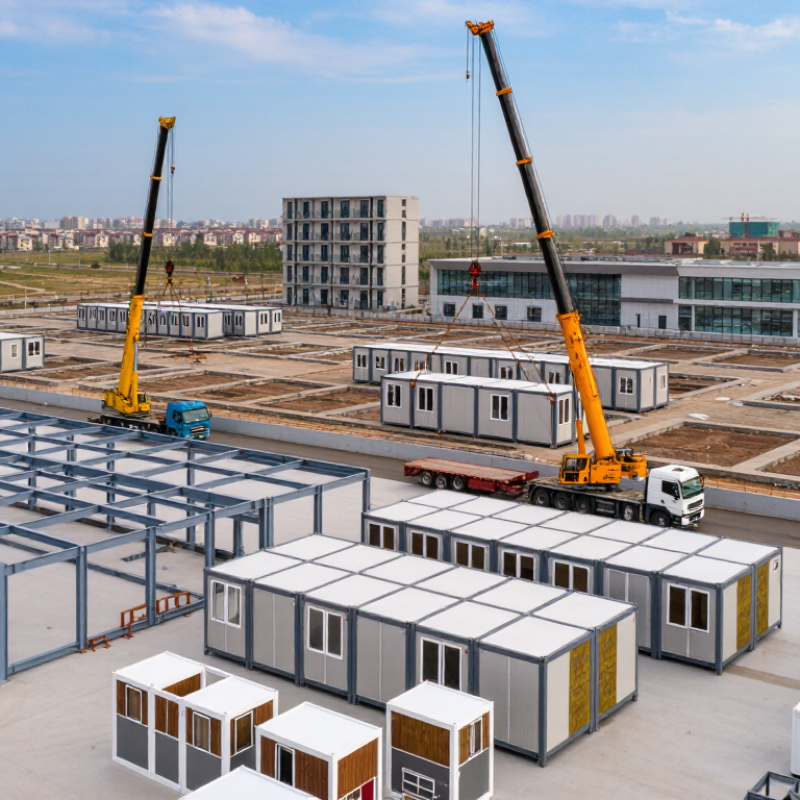
Modular construction is changing how buildings move from design drawings to occupied spaces. Instead of completing every task on a busy site, manufacturers build repeatable sections inside controlled factories. Steel frames, bathroom pods, wall panels, and mechanical systems can arrive nearly ready for installation. Cranes then place these units onto prepared foundations, sometimes within a tightly scheduled working day.
This guide examines 10 leading modular construction companies worldwide and the practical strengths behind their reputations. The comparison considers completed projects, manufacturing capacity, design expertise, quality systems, sustainability practices, and regional delivery experience. It also looks at housing, healthcare, education, hospitality, and commercial applications. Factory inspections, documented case studies, independent certifications, and client feedback provide more reliable signals than advertising alone. Details matter.
No ranking is flawless. A company with impressive production volume may lack experience in complex urban sites. Another may offer excellent craftsmanship but serve only a few markets. Local building codes, transport limits, climate conditions, and labor requirements can change the outcome significantly. These differences deserve careful attention. The selected firms represent varied approaches, from volumetric apartment modules to hybrid systems assembled from precision-engineered panels. Their work shows how modular construction can reduce site disruption, improve consistency, and shorten delivery schedules when planning is disciplined. However, promised savings do not always appear. Design changes, delayed approvals, and unsuitable foundations can erase early advantages. Readers should therefore treat this overview as a practical starting point, then verify each company’s current capabilities, project evidence, and regional suitability before making a decision.
Global Scope: What Modular Construction Means Across Building Markets
Modular construction is no longer a single national building method. It changes with climate, codes, labor markets, and housing demand.
In the United States, factories often produce timber or steel modules for apartments, schools, and healthcare buildings. In northern Europe, highly insulated volumetric units respond to strict energy standards and short building seasons. In parts of Asia, factory production supports dense cities where land and skilled labor are limited. The building market shapes the module.
McKinsey’s 2019 report, Modular Construction: From Projects to Products, estimated that modular methods could create a global market opportunity worth more than 100 billion dollars annually. The report also identified potential project savings of 20 percent or more in suitable cases. Those figures are significant, but not universal. Poor transport planning can erase factory savings quickly. A module still needs a suitable road, crane access, and local installation skills.
The Global Modular Construction Market report by Grand View Research estimated a market value above 80 billion dollars in 2022 and projected continued growth through 2030. Such forecasts show momentum, not certainty. Market definitions differ, and some reports include prefabricated components rather than complete rooms. That distinction matters. A bathroom pod is not the same as a finished apartment module. On a real site, a worker may still adjust a wall, seal a joint, or correct a tolerance issue. Factory precision helps, but it does not remove human judgment.
Market Context: McKinsey’s $130 Billion Modular Opportunity by 2030
McKinsey’s widely cited construction analysis estimates a $130 billion modular opportunity by 2030 across the United States and Europe.
It also projects possible annual savings of about $20 billion. This forecast reflects rising labor costs, housing shortages, and pressure to reduce construction waste.
Modular factories can produce walls, bathrooms, and service cores under controlled conditions. That detail matters when weather delays a site schedule.
The opportunity is large, but not automatic. A 2023 industry outlook from the Modular Building Institute reported continued demand for prefabricated buildings in education, healthcare, housing, and workforce accommodation.
Meanwhile, a 2023 United Nations report highlighted the building sector’s heavy energy use and carbon impact. Modular methods may reduce waste and improve material tracking, yet transport distance and factory energy can weaken those benefits.
The industry still has gaps.
Design changes remain expensive.
Local approval systems can also move slowly.
Tips:
Measure the full project cycle, not factory speed alone. Compare transport, foundations, labor, maintenance, and end-of-life recovery. Pilot one building type first. Small trials reveal awkward interfaces, hidden costs, and quality issues before expansion. And be honest: the $130 billion figure is an opportunity estimate, not a guaranteed market outcome.
Ranking Criteria: MBI Standards, Capacity, Cost, Speed, and Carbon Data
The 10 Best Modular Construction Companies Worldwide should be assessed beyond glossy project photos. A credible ranking starts with MBI standards, including factory quality controls, documentation, and installation practices. Independent audits deserve more weight than promotional claims. Site experience matters too. Reviewers should examine completed schools, hospitals, housing, and industrial facilities across different climates.
Capacity reveals whether a company can deliver consistently. Measure factory output, workforce depth, supplier resilience, and production continuity. Speed matters. Compare design approval, manufacturing, transport, and on-site assembly separately. A rapid factory schedule can still fail when permits or foundations lag. Cost requires a complete view, including logistics, cranage, site preparation, maintenance, and replacement cycles. The lowest quotation may not represent the lowest lifetime cost.
Carbon data should include materials, factory energy, transport distance, installation, and future reuse. Look for product-level declarations, verified emissions factors, and transparent calculation boundaries. Data remains uneven. Some firms report operational savings but omit structural materials or delivery fuel. That weakness should reduce their score, not disappear in a footnote. Capacity figures can also reflect maximum output rather than actual annual delivery. Rankings should disclose the measurement year, project sample, regional limits, and evidence quality. No ranking is perfect. A careful panel should revisit results when new audits, cost records, or carbon disclosures become available.
10 Best Modular Construction Companies Worldwide — Ranking Criteria: MBI Standards, Capacity, Cost, Speed, and Carbon Data
Comparative benchmark based on publicly reported operating information, sustainability disclosures, modular-construction practice, and normalized market indicators. Company identities are intentionally anonymized; values are rounded and should be validated against current project-specific quotations.
Methodology: The weighted score combines MBI-practice alignment (25%), production capacity (20%), delivery speed (20%), cost competitiveness (15%), carbon-data quality and intensity (15%), and geographic reach (5%). Cost index values below 100 indicate a lower-than-market indicative installed cost. Carbon figures are whole-life or embodied-carbon indicators where disclosed; boundaries and calculation methods vary by provider and project.
High stronger public evidence
Medium partial or non-uniform disclosure
Limited insufficient comparable disclosure
Reference framework: Modular Building Institute guidance, ISO 14040/14044 life-cycle assessment principles, EN 15978 building environmental assessment, and publicly available company sustainability or project documentation.
The 10 Best Modular Construction Companies by Region and Project Type
10 Best Modular Construction Companies Worldwide
The 10 Best Modular Construction Companies by Region and Project Type
The strongest modular construction companies differ by region and project type. North American providers often lead in hospitals, schools, and workforce housing. European firms commonly specialize in low-carbon apartments and student residences. Asia-Pacific manufacturers excel at high-volume production, while Middle Eastern teams focus on hotels and rapid urban developments.
McKinsey’s report, “Modular Construction: From Projects to Products,” estimates that modular methods could represent over 130 billion dollars of annual real estate construction in the United States and Europe by 2030. That opportunity favors companies with factory automation, repeatable designs, and reliable transport planning. Dodge Construction Network’s SmartMarket research also identifies schedule certainty and reduced material waste as major reasons for adopting prefabrication.
The best providers should be judged against practical evidence, not polished renderings. For healthcare, inspect infection-control procedures and bathroom-module testing. For education, examine classroom acoustics and installation speed. For housing, compare energy performance, maintenance access, and local code approval. Regional logistics matter too. A high-quality factory may still fail when roads, cranes, or ports cannot support delivery.
The ranking remains imperfect. Public data rarely compares companies using identical project sizes or carbon boundaries. Buyers should request audited completion records, defect rates, warranty claims, and post-occupancy feedback. Real experience is often visible in small details, such as sealed joints, protected wiring, and fewer site repairs.
10 Best Modular Construction Companies Worldwide
The 10 Best Modular Construction Companies by Region and Project Type
This chart presents an anonymized benchmark of modular construction activity by region and project type. The values represent estimated percentage shares of modular projects within the selected regional project mix, based on commonly reported industry patterns: residential and workforce housing lead overall demand, while healthcare, education, hospitality, and industrial applications remain important specialized segments.
The figures are market-level estimates intended for comparative visualization and do not represent the performance or market share of any individual company or brand.