Found a design you like or need custom guidance? We can help. Fill in the form about your project, and we’ll contact you to discuss options and answer questions.
China’s prefab houses industry has moved beyond simple factory-made boxes. Today, global buyers can find modular villas, expandable homes, steel-frame units, and energy-efficient accommodation across China. Yet choosing a manufacturer requires more than comparing catalog prices.
Avi Friedman, a respected housing researcher and professor, describes prefabrication as “a process, not an architectural style.” This perspective matters. A reliable supplier should explain its process clearly, from structural design and material sourcing to factory inspection and installation support. Buyers should examine wind-load calculations, insulation performance, fire-safety documentation, plumbing layouts, and replacement-part availability. A polished showroom is not enough.
This guide introduces ten Chinese prefab houses manufacturers serving international markets. It considers product range, customization, production capacity, export experience, quality controls, and communication standards. It also recognizes an uncomfortable reality: some suppliers present impressive renderings but provide limited technical evidence. Others offer low prices while leaving installation responsibilities unclear. These gaps can create expensive delays at the construction site.
The selected companies are not ranked only by marketing visibility. Their practical suitability depends on project location, local building requirements, climate, budget, and after-sales expectations. A coastal resort needs different protection from a temporary workforce camp. A family villa needs more careful attention to ventilation, acoustics, and long-term maintenance.
No shortlist can remove every risk. However, careful comparison can reduce avoidable mistakes and help global buyers identify prefab houses partners with stronger technical credibility.

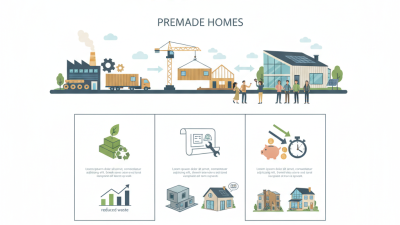
China’s prefabricated housing market entered 2025 under a clear policy benchmark: prefabricated buildings should exceed 30% of new construction. This target changed purchasing conversations. Developers now compare factory capacity, delivery records, and technical documentation, not only quoted prices. Wall panels, steel frames, kitchens, and bathroom units can arrive pre-assembled. Cranes then connect them on site. This approach may shorten wet trades and reduce material waste, but transport planning remains critical.
For global buyers, the 30% target signals expanding domestic experience and a deeper supplier network. Yet “prefabricated” covers different systems, from modular rooms to panelized structures. A capable manufacturer should explain its system clearly. Ask for load calculations, fire-test reports, insulation data, corrosion protection, and installation tolerances. Independent inspection matters. So does a factory visit. Production lines can look impressive, but quality records reveal more.
The target is not a guarantee of consistent performance. Regional rules, local labor skills, and project conditions still vary. Some suppliers overstate capacity during busy seasons. That is an uncomfortable risk. Buyers should request recent project references, staged inspections, sample approvals, and realistic shipping schedules. Small drawing errors can become expensive site adjustments. Communication between engineers, manufacturers, and installers remains essential, especially across different languages and climates.
China’s national construction policy set a target for prefabricated buildings to represent 15% of new construction by 2020 and 30% by 2025. The figures show policy milestones for the overall market and do not represent any individual manufacturer or brand.
Ranking China’s Top 10 Manufacturers by Six Buyer-Focused Metrics
Global buyers need more than attractive factory photos. This ranking evaluates China’s top ten prefab house manufacturers through six practical metrics: production capacity, quality certification, customization, landed cost, delivery reliability, and after-sales support.
McKinsey’s 2019 modular construction report found that modular methods can reduce project schedules by 20–50%. It also reported potential cost savings of up to 20%. These figures explain why factory discipline matters.
We examine documented production lines, inspection procedures, material traceability, and export experience. Customization receives separate attention. A low quotation means little if local fire ratings, insulation needs, or electrical standards require redesign.
The World Bank’s 2023 Logistics Performance Index highlights customs, infrastructure, tracking, and timeliness as key trade factors. Therefore, delivery performance must include port handling and document accuracy, not only promised factory dates.
After-sales support remains difficult to measure. We check spare-part policies, installation guidance, response times, and warranty language.
No ranking is perfect. Factory videos can mislead, and published capacity may reflect peak output rather than normal production. Buyers should request recent inspection records, sample contracts, and references from comparable climates. The lowest price may still produce the highest landed cost.
China Top 10 Prefab Houses Manufacturers for Global Buyers?
Chinese prefab suppliers commonly offer four systems: modular, panelized, container, and steel-frame. Each suits a different project. Modular units arrive as factory-built rooms, with wiring, plumbing, and finishes partly installed. They can shorten site work, but transport limits module width. Panelized houses ship flat wall, floor, and roof sections. They need more assembly, yet freight can be easier.
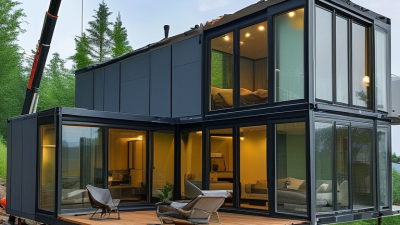
Container houses use strong steel boxes, though insulation and condensation require careful design. Steel-frame systems provide flexible layouts and durable structural performance. They still depend heavily on local cladding and building skills.
In practical sourcing, compare drawings, material certificates, connection details, fire ratings, wind loads, and installation manuals. A low quotation means little if the factory cannot explain tolerances or replacement parts. Ask for a sample corner or video inspection. Better still, arrange independent factory and pre-shipment inspections.
Regional climate matters. Coastal projects need corrosion control, while cold areas need continuous insulation and tested windows.
Confirm local permits, energy rules, foundations, customs documents, and after-sales responsibilities before payment. Standards differ. Confusion is expensive.
Tips: Request a complete bill of materials, not a promotional specification. Compare delivered cost, not factory price. Check who handles cranes, site leveling, utilities, and waste. Test one pilot unit when possible. Attractive renderings are not enough. Some details remain unclear until installation. Budget for that uncertainty.
When comparing the top 10 prefab house manufacturers for global buyers, compliance checks should lead the evaluation. ISO 9001 shows that a factory controls its quality processes, but it does not certify every building. Ask for the current certificate, scope, issuing body, and audit status. The certificate should match the factory address and production activities.
CE marking matters only when applicable European requirements cover the supplied products. Request the Declaration of Performance, harmonized standard references, and supporting test reports. For structural steel or aluminum, EN 1090 documentation should include execution class, welding procedures, welder qualifications, and material traceability. Missing records are warning signs. Small details matter.
ASTM references need careful reading because ASTM usually defines testing methods, materials, or performance criteria. It is not a universal approval label. Check the exact standard, test date, laboratory identity, and tested assembly. Fire ratings must identify the complete wall, roof, floor, or door system, such as 60 minutes under a stated test method. Insulation alone is not a fire-rated building. In practical reviews, documents can look impressive while site installation creates weak joints, unsealed penetrations, or incorrect fasteners. This is where many assessments become imperfect. Buyers should compare factory records with drawings, samples, inspection photos, and local engineering requirements before placing an order.
Anonymized supplier-screening matrix for international buyers. Company identities and unverified brand claims are intentionally excluded.
| Rank | Anonymous Supplier Profile | Typical Prefab System | Applicable Compliance Areas | Documents and Tests Buyers Should Request | Pre-Contract Verification Priority |
|---|---|---|---|---|---|
| 1 | Profile A — Light-Gauge Steel Housing Manufacturer | Cold-formed steel framing with insulated panels | ISO 9001 quality management; structural design to the destination code; EN 1090 where steel components are placed on the European market; fire-resistance classification for walls and floors | Current ISO 9001 certificate with valid scope; factory production-control records; steel grade and coating certificates; EN 1090 certificate where applicable; tested fire-assembly reports; engineering calculations | High — verify structural scope |
| 2 | Profile B — Modular Volumetric Building Manufacturer | Factory-built volumetric room modules | ISO 9001; transport and lifting design; electrical and plumbing conformity; CE marking for applicable construction products or equipment; fire and acoustic performance | Module connection drawings; lifting plans; electrical test reports; plumbing pressure tests; Declaration of Performance where a harmonised European product standard applies; fire and acoustic test reports | High — inspect complete modules |
| 3 | Profile C — Container-Style Accommodation Manufacturer | Steel-framed flat-pack or container-style units | Weld quality; corrosion protection; wind and snow-load resistance; thermal insulation; fire spread and surface-flame performance; local building-code compliance | Welding procedure specifications; welder qualifications; coating thickness records; structural calculations; insulation product data; fire classification reports; factory inspection records | High — confirm permanent-use approval |
| 4 | Profile D — Sandwich-Panel Building Manufacturer | Insulated metal sandwich panels and portal frames | Panel core fire classification; thermal transmittance; steel-frame design; CE-related product documentation where applicable; weather-tightness and condensation control | Panel core composition; reaction-to-fire and fire-resistance reports; U-value calculations; metal thickness and coating data; joint-detail drawings; water-penetration and air-leakage test evidence | High — verify panel fire core |
| 5 | Profile E — Prefabricated Timber House Manufacturer | Timber-frame or cross-laminated timber panels | Moisture control; timber grading; structural design; CE marking for applicable timber products; fire resistance; biological durability and treatment records | Timber strength class; moisture measurements; treatment certificates; adhesive or panel technical data; structural calculations; fire-test reports; installation and maintenance instructions | Medium — control moisture chain |
| 6 | Profile F — Expandable or Folding House Manufacturer | Foldable steel frame with factory-fitted enclosure | Repeated folding and deployment; connection durability; wind resistance; electrical safety; insulation; fire performance; transport stability | Deployment-cycle test records; hinge and fastener specifications; structural calculations; electrical inspection reports; fire classification of wall and ceiling systems; packing and transport procedures | High — witness deployment test |
| 7 | Profile G — Prefabricated Concrete Module Manufacturer | Precast concrete panels or volumetric modules | Concrete strength; reinforcement traceability; lifting inserts; dimensional tolerances; fire resistance; seismic and foundation interface design | Concrete mix and cube-test results; reinforcement mill certificates; lifting calculations; dimensional inspection records; fire-resistance design; connection and foundation drawings | High — verify connection engineering |
| 8 | Profile H — Steel Structure and Panel Integrator | Welded or bolted steel frame with external cladding | EN 1090 execution class where applicable; ISO 9001; welding quality; corrosion protection; ASTM-based testing when specified by the project; fire protection system performance | EN 1090 certificate and scope; welding quality records; material traceability; coating inspection; fire-protection product approvals; project-specific ASTM test reports where required | High — confirm execution class |
| 9 | Profile I — Prefab Cabin and Holiday-Unit Manufacturer | Light steel, timber, or composite cabin units | Building-code suitability; electrical and plumbing safety; fire and smoke performance; thermal insulation; accessibility; transport and installation requirements | Complete bill of materials; electrical test certificates; plumbing test records; fire-assembly reports; insulation data; accessible design details; installation method statement | Medium — check intended occupancy |
| 10 | Profile J — Custom Export-Oriented Prefab Factory | Mixed-system design based on project specifications | ISO 9001; destination-country structural code; CE or UKCA requirements where applicable; ASTM methods where specified; fire, energy, acoustic, and durability requirements | Project quality plan; complete shop drawings; third-party inspection plan; material traceability; laboratory reports; prototype approval; packing list; warranty and after-sales procedure | Medium — audit project controls |
Buyer note: ISO 9001 certifies a quality-management system and does not by itself certify a building. CE marking is applicable only when the product falls under relevant European Union legislation. EN 1090 generally concerns the execution of structural steel and aluminium components within its applicable scope. ASTM is a standards-development system; an ASTM reference must identify the exact test method or specification. Fire ratings are assembly-specific and should be verified against the destination jurisdiction, tested construction, thickness, joints, penetrations, and installation method.
A serious buyer should score more than showroom appearance. Start with the claimed 50-year design life. Ask for structural calculations, corrosion protection details, material certificates, and maintenance assumptions. “Design life” does not mean every component lasts five decades. Windows, sealants, roofing, and appliances usually require replacement. That distinction matters.
Lead time should include engineering, approvals, production, inspection, and shipping. McKinsey’s 2019 report, Modular construction: From projects to products, found that modular methods can reduce schedules by 20–50% and costs by about 20%. Those figures are useful benchmarks, not promises. Request a factory schedule with milestone dates. Add buffer for port congestion and local permitting. Small delays become expensive quickly.
FOB cost needs a clear scope. Compare steel grade, insulation thickness, windows, plumbing, electrical systems, packing, and export documentation. A low FOB quote may exclude foundations or installation. The warranty should state coverage periods, response times, spare-part availability, and exclusions. A practical scorecard can assign 30% to documented durability, 25% to realistic lead time, 25% to comparable FOB cost, and 20% to warranty strength. ISO 9001 certification supports process control, but it does not prove building performance. Buyers should still commission independent inspections. Some supplier claims will remain difficult to verify. That is the uncomfortable part.