2026 Top Prefab Homes Prices for Global Buyers?
For global buyers, prefab homes may look affordable at first glance. A factory-listed price can resemble a neatly packed suitcase. Yet the final cost often unfolds at the building site. Shipping, foundations, assembly, utilities, permits, taxes, and local labor can change the total substantially.
This 2026 guide examines prefab homes prices across major international markets. It considers entry-level cabins, family-sized modular houses, and higher-specification designs. It also separates factory pricing from move-in-ready costs, where many comparisons become misleading. Currency movements matter too. A favorable exchange rate today may not protect a project several months later. Neither does a low online quote.
Architect and prefab specialist Michelle Kaufmann once said, “Prefab is not a style; it is a process.” That distinction remains useful for buyers comparing homes from different countries. Design quality, insulation standards, transport distance, and regional construction rules can matter more than the advertised square-meter price. A $90,000 home may require substantial additional spending before anyone sleeps inside it.
Some figures in this overview should be treated as practical estimates, not promises. Supplier availability changes. Freight prices shift. Site conditions can be unexpectedly difficult. A sloping plot, narrow access road, or weak soil may add thousands to the budget. Weigh the evidence carefully. The cheapest prefab homes are not always the most economical choice. The best option usually balances transparent pricing, reliable engineering, local support, and long-term performance.
What Are Prefab Homes and Why Are They Popular in 2026?
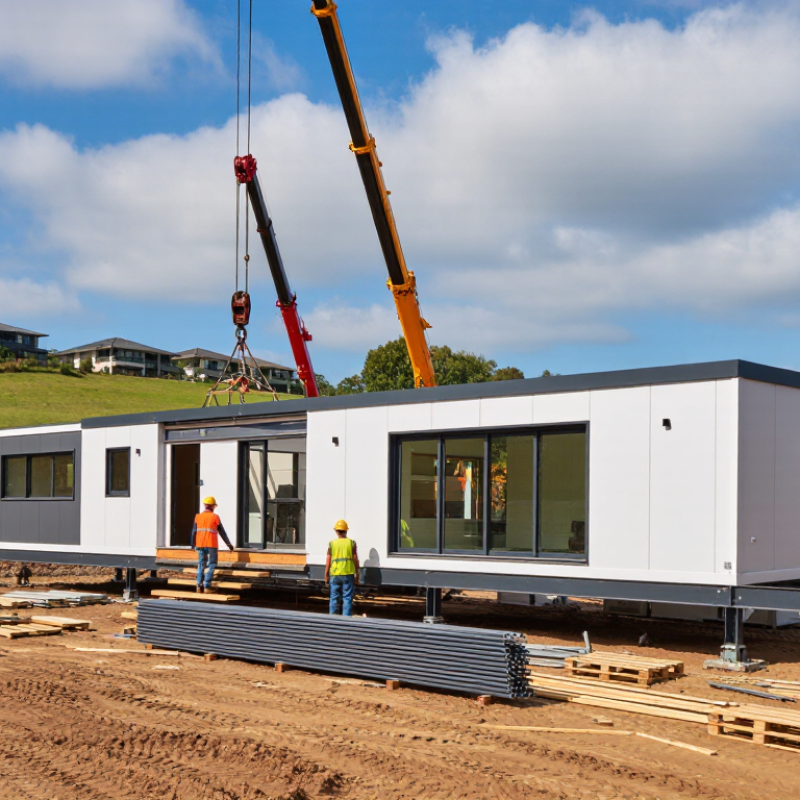
Prefab homes are dwellings manufactured partly or fully in controlled factories. Workers build wall panels, roof sections, or complete modules before transport and site assembly. This process differs from ordinary construction, which usually happens almost entirely outdoors. Factory production can improve measurement accuracy and reduce weather delays. It may also limit material waste, although results depend on design, transport, and site preparation.
Demand is rising because buyers want faster delivery, predictable budgets, and improved energy performance. Grand View Research valued the global modular construction market at about USD 91.55 billion in 2023. Its report projects a 6.1% compound annual growth rate from 2024 to 2030. The data supports strong momentum, but it does not guarantee cheaper homes everywhere. Remote shipping, foundations, utility connections, taxes, and local permits can change the final 2026 price substantially.
The label is not magic. A factory-built home still needs careful engineering and qualified installation. The International Energy Agency reports that buildings remain a major source of global energy demand, increasing pressure for efficient envelopes and heating systems. In practice, buyers should inspect insulation values, ventilation design, fire safety documents, and warranty coverage. I would also question unusually low quotations. They may exclude landwork, transportation, or professional fees. Prefab housing is popular in 2026 because it combines industrial control with residential flexibility, but quality still depends on the people and systems behind the factory.
Which Factors Influence Prefab Home Prices?
Prefab home prices in 2026 depend on far more than the factory-built structure. The listed price may cover walls, windows, and interior finishes, but exclude delivery, foundations, and local installation. A house priced at $80,000 can require another $25,000 for site preparation, utility connections, and assembly.
Location changes the calculation quickly. Transport distance, road access, import duties, currency exchange, and regional labor rates all affect the final cost. A coastal plot may need stronger corrosion-resistant materials. A cold climate may require thicker insulation, triple-glazed windows, and upgraded heating systems. These improvements increase the initial price but can reduce energy bills over time.
Design choices also matter. Larger windows, custom kitchens, smart controls, and unusual room layouts raise manufacturing costs. A simple rectangular plan is usually easier to produce and assemble. Buyers should request an itemized quotation showing transport, taxes, foundations, permits, warranties, and installation separately. Otherwise, comparisons become unreliable.
A low quote can hide important omissions. That mistake is easy to make. I would also check whether the stated price includes local compliance reviews and engineering changes. It may not. Prices can shift after soil testing, especially on sloped or unstable land. Careful buyers should compare complete project costs, not attractive factory prices alone.
2026 Prefab Home Prices for Global Buyers
Indicative turnkey price ranges by region, shown in USD per m². These ranges exclude land, foundations, utility connections, local permits, taxes, shipping, and site-specific preparation.
Prefab home prices are mainly influenced by floor area, structural materials, insulation and energy standards, interior finishing level, transport distance, local labor costs, foundation requirements, permits, and on-site installation complexity. Regional figures are planning benchmarks rather than fixed quotations.
What Should International Buyers Know Before Purchasing?
For international buyers, a 2026 prefab home price is only the starting figure. The final cost may include design changes, factory inspection, shipping, local taxes, foundation work, installation, and utility connections. McKinsey Global Institute found that modular construction can reduce project schedules by 20% to 50% and costs by up to 20%, although results vary by location and project design.
Ask for a complete landed-cost breakdown before signing. Confirm whether the quoted price includes cranes, inland transport, permits, site preparation, and after-sales repairs. A low factory price can become expensive when a truck cannot reach a narrow rural road. I have seen buyers focus on floor area while overlooking soil testing and drainage. That mistake is easy to repeat.
Check the home’s compliance with local building codes, energy standards, fire rules, and wind or earthquake requirements. The International Energy Agency reports that buildings account for around 30% of global final energy consumption, making insulation and heating efficiency important long-term costs. Request test certificates, material specifications, warranty terms, and a payment schedule linked to verified milestones. Use an independent surveyor when possible. Do not rely only on digital renderings. A 2024 report from the Modular Building Institute also shows that delivery performance depends heavily on planning, transportation, and site coordination. Those details are rarely visible in an online quotation. Prices can change. Expect that.
2026 Top Prefab Homes Prices for Global Buyers: What International Buyers Should Know Before Purchasing
Indicative 2026 market ranges in USD for new prefabricated homes. Prices vary by country, specification, transport distance, local labor rates, taxes, and site conditions.
Key cost considerations for international buyers
- International freight: Ocean freight, port handling, inland transport, insurance, and customs clearance can add approximately 8%–25% to the home package, depending on distance, volume, and shipping route.
- Import duties and taxes: VAT, GST, customs duties, inspection fees, and other charges depend on the destination country and whether the shipment is treated as a complete dwelling, building component, or construction material.
- Local compliance: Confirm structural, fire-safety, thermal-performance, electrical, plumbing, accessibility, and seismic requirements before signing a purchase contract.
- Site preparation: Foundations, ground investigation, drainage, road access, cranes, utility connections, and local labor commonly add 15%–35% to the factory or delivered package price.
- Currency exposure: Buyers should clarify the contract currency, exchange-rate adjustment rules, payment milestones, and refund conditions before making an international transfer.
- Recommended contingency: Maintain a contingency allowance of at least 10%–15% of the expected project budget for design changes, permitting delays, transport variations, and unforeseen site conditions.
How Can Buyers Compare Prefab Home Suppliers and Total Costs?
For global buyers, comparing prefab home suppliers requires more than checking the advertised 2026 purchase price. A low factory quote may exclude foundation work, insulation upgrades, interior finishes, and local engineering. Request an itemized quotation with measurements, materials, delivery terms, and installation responsibilities. Confirm whether the design meets your country’s building standards. Independent inspections can reveal weak connections, moisture risks, or unclear structural details before payment.
Tips: Compare at least three suppliers using the same floor plan and specifications. Add shipping, port handling, customs duties, site preparation, cranes, utility connections, permits, insurance, and local taxes. Ask for a realistic delivery schedule and a written warranty. Check payment stages carefully. A supplier requesting most funds before production deserves closer review.
Total cost should be calculated in your local currency, including exchange-rate changes. Ask who handles damaged panels or missing components during transport. Review after-sales support, replacement times, and the availability of local contractors. A detailed technical file is valuable, especially for remote buyers. Do not rely on polished photos alone. They show appearance, not performance. Even careful budgets can miss drainage work or difficult ground conditions. That is where many comparisons become inaccurate. A cheaper home may become expensive after installation, while a higher quote may include stronger materials and better coordination.